





White-spotted Sawyer
Monochamus scutellatus
The White-spotted Sawyer is a long, slender beetle with beautiful white spots on its dark body. It loves to live in forests and plays an important role in nature by helping to break down dead trees.
Habitat: Forests
The White-spotted Sawyer is a large, black longhorn beetle with a shiny, iridescent body. Its wing covers are marked with scattered white or grayish spots, giving it a mottled appearance. Males have extremely long antennae, often twice their body length.
Category
InsectsRarity
Common
Danger
1/5 · Very low
Snaps
16
Adults are super attracted to the smell of fresh-cut wood.
Larvae are called "sawyers" because they chew wood so loudly!
Males have antennae longer than their entire body!
They help forests by breaking down dead trees into soil.
White-spotted Sawyer larvae can tunnel deep into dead or dying trees, helping them decompose wood and find food.
White-spotted Sawyers have extra-long antennae that help them detect food, mates, and danger in their environment.
White-spotted Sawyers can fly across forests to find fresh wood for their larvae or new mates to reproduce.
White-spotted Sawyers have strong mandibles that help adults chew on bark and create small holes for laying eggs.
Adults nibble on conifer needles and bark, while larvae feast on dead wood.
Age differences: Larvae eat dead wood, adults primarily feed on conifer needles and bark.
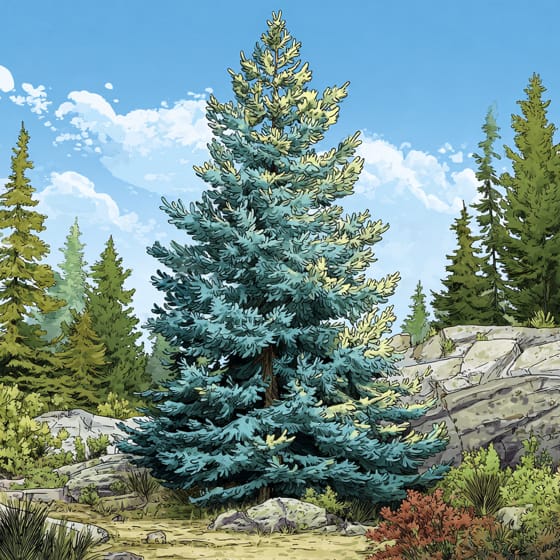
Picea glauca
Larvae tunnel and feed on dead spruce wood.
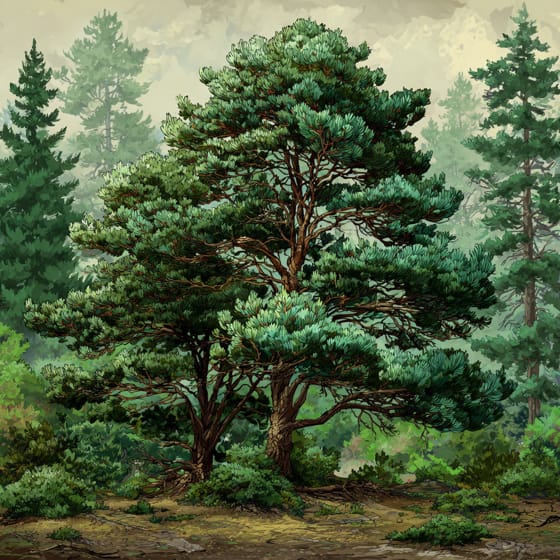
Pinus strobus
Larvae infest and consume wood of dead pine trees.
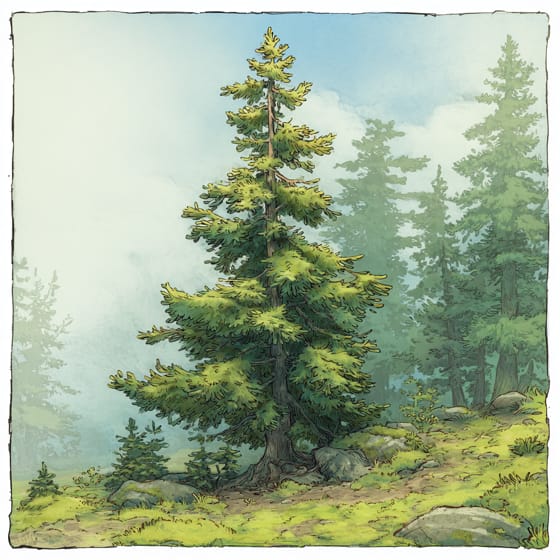
Abies balsamea
Adults feed on needles, larvae infest dead fir.
Picoides arcticus
Woodpeckers drill to find and eat beetle larvae.
Marked with spots or patches of a different color.
Solitary animals live alone for most of their lives, only interacting with others for mating or parental care.
Camouflaged describes organisms that possess coloring or patterns that allow them to blend into their environment.
This trait characterizes organisms whose diet consists entirely or primarily of plant material.

Describes organisms that break down dead organic material, recycling nutrients back into the ecosystem.

Forest habitats are terrestrial environments dominated by dense tree cover, supporting a high diversity of plant and animal life.

Describes a species whose presence and role have a disproportionately large effect on its environment.

Describes organisms that transfer pollen, enabling the fertilization and reproduction of plants.
No aliases listed yet.
Danger
1/5 · Very low
These beetles are not harmful, but it's best to look and not touch them.
The easiest way to identify White-spotted Sawyer is to use the Snappit nature identifier app.
25-50 mm
12-25 mm
30-60 days
Adults nibble on conifer needles and bark, while larvae feast on dead wood.
Forests
Foraging
6
Zoom in to split clusters and explore where this object has been snapped.

Pennsylvania, US
You might spot Large Yellow Underwing and Eastern Black Carpenter Ant.
View guide →

Alaska, US
You might spot Sandhill Crane, Fireweed, and Prickly Wild Rose.
View guide →

Washington, US
You might spot Cascade Oregon-Grape, Douglas Fir, and Salal.
View guide →

Wyoming, US
You might spot Creeping Mahonia, Utah Honeysuckle, and Woodland Pinedrops.
View guide →

Wyoming, US
You might spot Long-Billed Curlew, Lesser Scaup, and Red-Winged Blackbird.
View guide →

Montana, US
You might spot Black Bear, Moose, and Lodgepole Pine.
View guide →
Take the discovery with you
Snap it with Snappit to identify it, learn what makes it special, and add the discovery to your collection.








.jpg&width=800)


