





Willow
Salix
Willows are beautiful trees with long, drooping branches that sway in the wind. They love to grow near water, like rivers and ponds, and provide homes for birds and insects.
Habitat: Wetlands
The Willow is a graceful tree, often found near water, characterized by its slender, flexible branches that can sometimes droop dramatically. Its long, narrow leaves are typically light green, and in spring, fuzzy catkins appear before the leaves. The bark is usually rough and furrowed, with varying shades of brown and gray.
Category
TreesRarity
Common
Danger
1/5 · Very low
Snaps
Be the first to snap!
Certain willows have special roots that can grow upwards into the air to help them breathe in waterlogged soil!
Some willow trees grow extremely fast, adding over 10 feet to their height in a single year!
The soft, fuzzy catkins that appear on willows in early spring are actually tiny flowers, vital for early bees!
Willow bark contains salicin, a compound similar to aspirin, used for pain relief for thousands of years!
Willow can sprout new trees from broken branches that fall into water, helping it colonize new wet areas.
Willow has extensive, dense root systems that help stabilize riverbanks and prevent soil erosion.
Willow has incredibly flexible wood and branches that bend without breaking during strong winds or floods.
Castor canadensis
Eats bark and branches for food and dam building.
Apis mellifera
Visits early spring catkins for vital nectar and pollen.
Plagiodera versicolora
Larvae and adults feed on willow leaves.

Phylloscopus trochilus
Builds nests and finds cover among its branches.
Deciduous plants periodically shed all their leaves, typically during autumn or dry seasons.
Shade tolerant plants are adapted to grow and thrive in areas with low light levels, requiring less direct sunlight.
Broadleaf trees are angiosperms characterized by flat, wide leaves that are typically shed annually in temperate climates.
Fragrant flowers emit a pleasant aroma, often to attract pollinators or for defense.

Fruit-bearing plants produce fruits, which are the mature ovaries of flowering plants containing seeds.

Medicinal plants possess chemical compounds that can be used for therapeutic purposes to treat illnesses or maintain health.

Rapid growing plants exhibit accelerated growth rates, quickly increasing in size and biomass within a short period.

This trait signifies organisms belonging to a very old evolutionary group with ancestors dating back millions of years.

This trait characterizes organisms with an exceptionally long lifespan compared to others of their kind.

This habitat trait identifies species found in wetlands, which are areas of land saturated with water, either permanently or seasonally, including marshes, swamps, and bogs.
Danger
1/5 · Very low
Enjoy the beauty of willow trees from a safe distance and avoid climbing on them.
The easiest way to identify Willow is to use the Snappit nature identifier app.
5-25 m
5-15 m
No
30-100 cm
30-75 years
Wetlands
Capsule
Zoom in to split clusters and explore where this object has been snapped.
Recent snaps will appear here as new observations are added.

Washington, US
You might spot Ring-Billed Gull, Canada Goose, and Northern Saw-Whet Owl.
View guide →

British Columbia, CA
You might spot Shinyleaf Meadowsweet, Northern Checkerspot, and Fireweed.
View guide →

British Columbia, CA
You might spot Sitka Valerian, Leafy Aster, and Pearly Everlasting.
View guide →
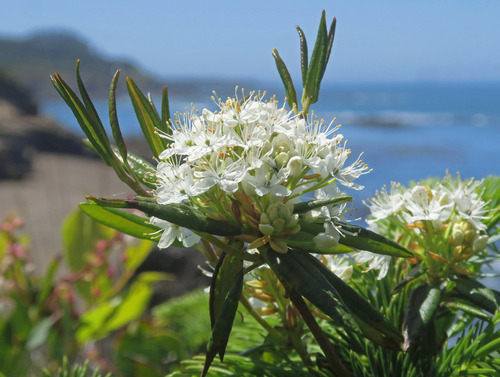
British Columbia, CA
You might spot Western Labrador Tea and Grouse Whortleberry.
View guide →
Take the discovery with you
Snap it with Snappit to identify it, learn what makes it special, and add the discovery to your collection.









