





Willow Beauty
Peribatodes rhomboidaria
The Willow Beauty is a beautiful moth with soft, brown wings that look like tree bark. It loves to rest on tree trunks during the day, making it a great camouflage expert!
Habitat: Forests
The Willow Beauty moth is a medium-sized moth with mottled grey-brown wings, marked with darker wavy lines and pale, rhomboidal patches. Its rough, bark-like texture and patterns provide excellent camouflage, making it blend seamlessly with tree trunks.
Category
InsectsRarity
Common
Danger
1/5 · Very low
Snaps
Be the first to snap!
Its scientific name, 'rhomboidaria', means 'diamond-shaped', referring to a mark on its wings!
The caterpillars are often called 'loopers' because of how they arch their bodies to move.
These moths are attracted to light, so you might spot them near lamps at night!
They rest with their wings spread flat, pressing close to tree trunks to stay hidden.
Willow Beauty has mottled grey-brown wings that help them blend perfectly with tree bark, making them hard to spot.
Willow Beauty can see well in low light, helping them navigate and find flowers in the dark after sunset.
Willow Beauty caterpillars can survive cold winters by overwintering, waiting for spring to continue growing.
Caterpillars munch on tree leaves, while adult moths enjoy sipping sweet flower nectar.
Age differences: Caterpillars eat leaves, while adult moths feed on nectar.
Salix caprea
Caterpillars feed on its leaves
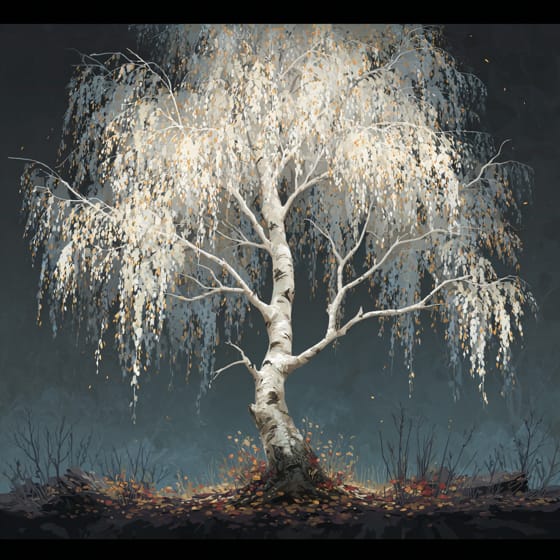
Betula pendula
Caterpillars feed on its leaves
%2C_Parc_de_Woluw%C3%A9%2C_Brussels_(13042792905).jpg&width=800)
Parus major
Birds prey on caterpillars and adult moths
Pipistrellus pipistrellus
Bats hunt adult moths at night
Solitary animals live alone for most of their lives, only interacting with others for mating or parental care.
Camouflaged describes organisms that possess coloring or patterns that allow them to blend into their environment.
This trait characterizes organisms whose diet consists entirely or primarily of plant material.
Describes plants that are particularly attractive and beneficial to a wide range of pollinating organisms.

Forest habitats are terrestrial environments dominated by dense tree cover, supporting a high diversity of plant and animal life.

Nocturnal animals are primarily active during the nighttime hours, typically resting or sleeping during the day.

Describes organisms that transfer pollen, enabling the fertilization and reproduction of plants.
No aliases listed yet.
Danger
1/5 · Very low
Moths are gentle creatures, but it's best to observe them without touching.
The easiest way to identify Willow Beauty is to use the Snappit nature identifier app.
30-45 mm
12-18 mm
270-300 days
Caterpillars munch on tree leaves, while adult moths enjoy sipping sweet flower nectar.
Forests
Foraging
6
Zoom in to split clusters and explore where this object has been snapped.
Recent snaps will appear here as new observations are added.
Take the discovery with you
Snap it with Snappit to identify it, learn what makes it special, and add the discovery to your collection.








.jpg&width=800)



