_-_Flickr_-_S._Rae.jpg&width=800)





Willow Leafhopper
Graphocephala confluens
The Willow Leafhopper is a tiny, colorful insect that loves to hop around on plants. It has bright green and yellow colors that help it blend in with leaves.
Habitat: Wetlands
The Willow Leafhopper has a slender, vibrant green body, often adorned with subtle yellow or reddish markings along its wings. Its vivid coloration provides excellent camouflage amidst the foliage of willow trees, distinguishing it from duller insect species.
Category
InsectsRarity
Common
Danger
1/5 · Very low
Snaps
Be the first to snap!
Nymphs (young leafhoppers) look just like tiny, wingless adults!
Their eggs are often laid safely inside the stems of plants.
They can jump up to 50 times their own body length!
Willow leafhoppers can be seen wiggling their bottoms from side to side.
Willow Leafhopper can jump incredibly far using powerful hind leg muscles that help them escape danger quickly.
Willow Leafhopper has a specialized piercing-sucking mouthpart (rostrum) that helps them extract nutrient-rich sap from plants.
Willow Leafhopper can communicate with others by sending subtle vibrations through plant stems and leaves, helping them find mates.
These tiny insects are herbivores, happily sipping on the sap of willow trees and other plants!
Salix alba
Feeds on the sap of willow trees.
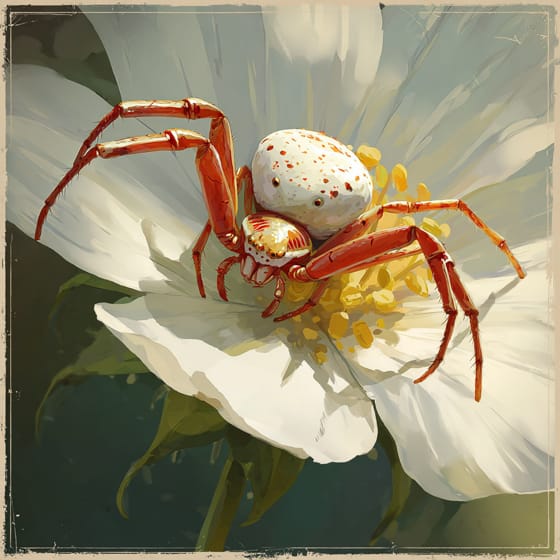
Misumena vatia
An ambush predator that catches leafhoppers.
%2C_Parc_de_Woluw%C3%A9%2C_Brussels_(13042792905).jpg&width=800)
Parus major
A common bird that preys on insects.
Social animals live in organized groups, cooperating for survival benefits such as foraging, defense, and raising offspring.
Colorful describes organisms or objects displaying a wide range of bright and distinct colors.
This trait characterizes organisms whose diet consists entirely or primarily of plant material.
This habitat trait identifies species found in wetlands, which are areas of land saturated with water, either permanently or seasonally, including marshes, swamps, and bogs.

Diurnal animals are primarily active during daylight hours, typically resting or sleeping at night.

Pertaining to species that are significantly smaller than typical or average for their kind.

Describes organisms that transfer pollen, enabling the fertilization and reproduction of plants.
No aliases listed yet.
Danger
1/5 · Very low
It's best to watch these little insects from a distance and not touch them.
The easiest way to identify Willow Leafhopper is to use the Snappit nature identifier app.
8-12 mm
4-6 mm
20-60 days
These tiny insects are herbivores, happily sipping on the sap of willow trees and other plants!
Wetlands
Foraging
6
Zoom in to split clusters and explore where this object has been snapped.
Recent snaps will appear here as new observations are added.
Take the discovery with you
Snap it with Snappit to identify it, learn what makes it special, and add the discovery to your collection.








.jpg&width=800)



