_Gall_-_Guelph%2C_Ontario_2020-04-11_(02).jpg&width=800)





Willow Pinecone Gall Midge
Rabdophaga strobiloides
The Willow Pinecone Gall Midge is a tiny insect that makes special galls on willow trees. These galls look like little pinecones and are homes for the midge's babies!
Habitat: Forests
The Willow Pinecone Gall Midge is a tiny, delicate fly, typically reddish-brown to dark gray with transparent wings. Its slender body and long legs give it a mosquito-like appearance, though it is much smaller and often overlooked.
Category
InsectsRarity
Common
Danger
1/5 · Very low
Snaps
1
Each gall can contain several midge larvae, all safely hidden inside their leafy home.
Even when willow leaves fall, the midge galls stay on the branches all winter long!
The adult midge is so small, it could easily hide on your fingernail!
The strange 'pinecone' you see on a willow tree is actually a house built by this tiny midge!
Willow Pinecone Gall Midge can chemically induce willow trees to grow protective 'pinecone' galls, which shelter their developing young.
Willow Pinecone Gall Midge has a precise ability to target specific willow buds, ensuring the gall forms exactly where their larvae need to develop.
Willow Pinecone Gall Midge can lay its eggs directly into young willow buds, initiating the gall formation process for its offspring.
Young midges eat willow tree sap and tissue from inside their special plant home.
Age differences: Adult midges do not feed, while larvae consume willow plant tissue within the gall.
Salix alba
for gall formation and larval development.
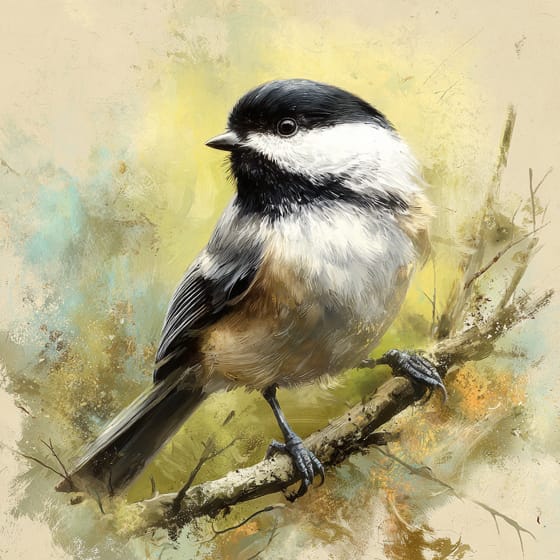
Poecile atricapillus
forages on galls to extract larvae.
Platygaster saliciperda
larvae developing inside midge larvae.
Solitary animals live alone for most of their lives, only interacting with others for mating or parental care.
This trait characterizes organisms whose diet consists entirely or primarily of plant material.
Forest habitats are terrestrial environments dominated by dense tree cover, supporting a high diversity of plant and animal life.
Pertaining to species that are significantly smaller than typical or average for their kind.

Describes organisms that transfer pollen, enabling the fertilization and reproduction of plants.
No aliases listed yet.
Danger
1/5 · Very low
Always look but don't touch galls; they are homes for tiny insects!
The easiest way to identify Willow Pinecone Gall Midge is to use the Snappit nature identifier app.
4-8 mm
2-4 mm
7-14 days
0.5 km/h
Young midges eat willow tree sap and tissue from inside their special plant home.
Forests
6
Zoom in to split clusters and explore where this object has been snapped.
Take the discovery with you
Snap it with Snappit to identify it, learn what makes it special, and add the discovery to your collection.





.jpg)




.jpg&width=800)



