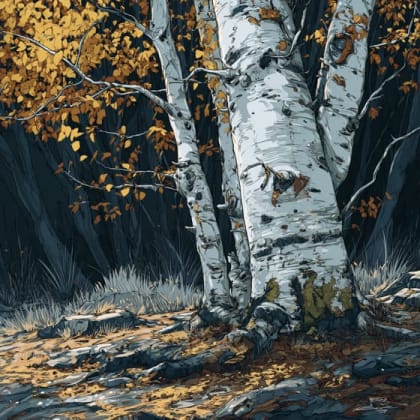





Paper Birch
.jpg)
Whiteshell Provincial Park, nestled in southeastern Manitoba, Canada, is a breathtaking four-season natural playground spanning over 2,700 square kilometers.
Whiteshell Provincial Park, nestled in southeastern Manitoba, Canada, is a breathtaking four-season natural playground spanning over 2,700 square kilometers. This magnificent park is characterized by its rugged Canadian Shield landscape, featuring ancient granite rock, over 200 pristine lakes, and rushing rivers. It offers a captivating blend of untouched wilderness and recreational opportunities, making it a haven for nature lovers, adventurers, and families seeking an escape into the wild. Visitors can immerse themselves in the fresh scent of Jack pine and discover diverse ecosystems, from boreal forests dominated by black spruce, white spruce, and balsam fir, to areas dotted with quaking aspen and paper birch.
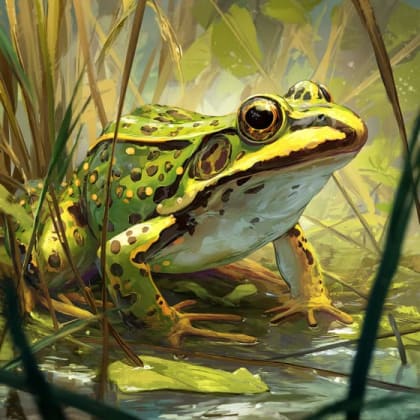
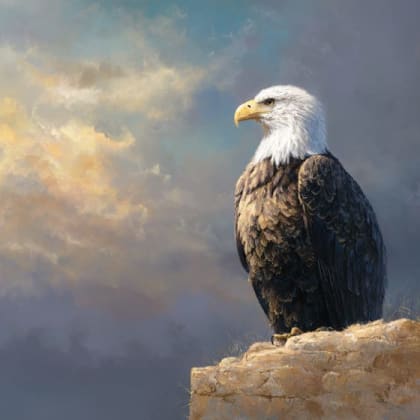
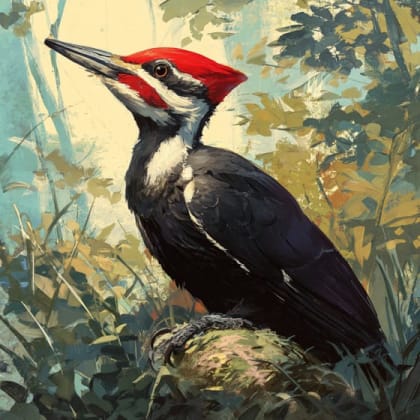
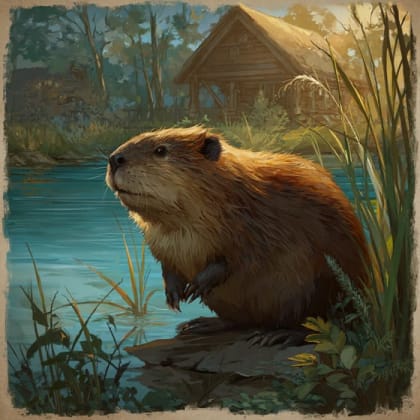
The park boasts a rich tapestry of habitats supporting a wide array of wildlife. Keep an eye out for majestic American Black Bears, White-tailed Deer, and American Beavers, alongside smaller mammals like American Red Squirrels, otters, and red foxes. Birdwatchers will be delighted by the presence of Canada Geese, Common Loons, Bald Eagles, and Pileated Woodpeckers soaring above. The park's unique geological features include West Hawk Lake, Manitoba's deepest lake, formed by a meteorite impact over 100 million years ago, offering a fascinating spot for scuba diving. Ancient Indigenous petroforms at Bannock Point, depicting shapes like snakes and turtles, provide a profound connection to the area's cultural history.
Whether you seek adrenaline-pumping adventures or tranquil moments in nature, Whiteshell Provincial Park delivers. Its extensive network of trails, including the challenging Hunt Lake Trail and the scenic Whiteshell River Suspension Bridge, invites exploration. The park's countless lakes and rivers are perfect for fishing for northern pike, bass, walleye, and trout, or enjoying water sports. From stunning sunrises over placid waters to the rustling of common junipers in the breeze, Whiteshell Provincial Park promises memorable experiences and a deep connection with Manitoba's wild heart. Eager to name that creature? Identify any animal you find during your visit using the Snappit app.
Human presence in the Whiteshell area dates back at least 8,000 years, with archaeological excavations along the Winnipeg River revealing evidence of various cultural groups who lived by hunting, fishing, and gathering wild plants. The park's name, "Whiteshell," is derived from the sacred white cowrie shells used by the Anishinaabe people. The Bannock Point Petroforms, ancient stone effigies on bedrock, stand as a testament to the rich Indigenous history and spiritual significance of the land. Later, the construction of railways in the early 1900s, including the Canadian Pacific Railway and the Canadian National Railway, brought significant development to the region, with tunnels blasted through solid rock, such as those at Caddy Lake, facilitating transportation. The Pinawa Generating Station, Manitoba's first year-round hydrogenerating plant, began operation in 1906, further marking the area's development. Whiteshell Provincial Park was officially designated as a Natural Park to preserve its unique environment and offer diverse recreational opportunities.
Canoeing, kayaking, paddleboarding, swimming, water skiing, and fishing in over 200 lakes. West Hawk Lake offers scuba diving.
Wildlife Viewing: Look for American Black Bears, White-tailed Deer, American Beavers, and various birds like Common Loons and Bald Eagles.
Winter Sports: Snowmobiling on over 300 km of trails, cross-country skiing, snowshoeing, ice fishing, and downhill skiing at Falcon Ridge Ski Resort.
Interpretive Programs: Join guided hikes, special events, and educational programs offered by park interpreters.
Check for local events like the Falcon Lake Winter Fish-Off. Camping is available from May to October.
Information regarding specific wheelchair-accessible trails is limited in the search results, though some areas may have paved paths or boardwalks. West Hawk Lake offers a wheelchair-accessible dock. Many trails involve rugged terrain and rock outcrops, which may be difficult for some.
Sacred Indigenous stone figures laid out on bedrock.
Manitoba's deepest lake, formed by a meteorite, popular for swimming and scuba diving.
A challenging but scenic 12-13 km hike with granite outcrops and lakeside views.
An 86-meter bridge offering scenic views, part of the Trans Canada Trail.
Each card links to a full Explore page with photos, traits, and fun facts.
Start with the big picture, then zoom in to explore individual wildlife observations around this place.
Be prepared for insects
Especially during warmer months, bring insect repellent to protect against mosquitoes and other biting insects.
Pack appropriate footwear
Many trails feature rugged terrain, including rock outcrops and potentially wet or muddy sections, so sturdy hiking boots are recommended.
Carry water and snacks
Even on shorter hikes, it's wise to bring sufficient water and snacks, as services might not always be readily available on trails.
Respect wildlife
Observe animals from a distance and never feed them. Secure food properly, especially in camping areas, to avoid attracting bears.
Explore the Petroforms
Visit the Bannock Point Petroforms for a unique cultural experience, potentially enhancing your visit with a guided tour for deeper understanding.
Consider all seasons
Whiteshell is a four-season park. Each season offers distinct activities and scenery, from summer swimming to winter snowmobiling.
Aug 27, 2023
Aug 27, 2023
Aug 27, 2023
Aug 27, 2023
Aug 27, 2023

Maryland, US
You might spot White-Tailed Deer and Eastern Gray Squirrel.
View guide →
.jpg)
District of Columbia, US
You might spot Eastern Gray Squirrel, Duck, and House Sparrow.
View guide →

Illinois, US
You might spot American Robin, Canada Goose, and House Sparrow.
View guide →

Virginia, US
You might spot Spotted Lanternfly and Northern Cardinal.
View guide →
Take the discovery with you
Identify the wildlife you spot, learn as you go, and keep a collection of the adventure.