





Wood Sandpiper
Tringa glareola
The Wood Sandpiper is a small bird that loves to wade in shallow waters. It has long legs and a beautiful spotted body, making it a delightful sight near lakes and marshes.
Habitat: Wetlands
The Wood Sandpiper has grey-brown upperparts with fine white speckles and a pure white belly. Its prominent white stripe above the eye and greenish-yellow legs distinguish it from similar waders.
Category
BirdsRarity
Common
Danger
1/5 · Very low
Snaps
Be the first to snap!
During breeding season, male Wood Sandpipers perform spectacular looping display flights.
Its scientific name, Tringa glareola, translates to 'sandpiper of the gravelly places'.
Newly hatched Wood Sandpiper chicks leave the nest almost immediately after drying.
This bird often bobs its head and tail when standing, looking very alert!
Wood Sandpipers have dappled brown and white plumage that helps them blend perfectly into marshy reeds and grasses.
Wood Sandpipers can probe soft mud with sensitive bills to find hidden insect larvae they can't see.
Wood Sandpipers can fly thousands of kilometers during migration, traveling between continents each year.
This sandpiper loves to slurp up small insects and their larvae from shallow muddy water.
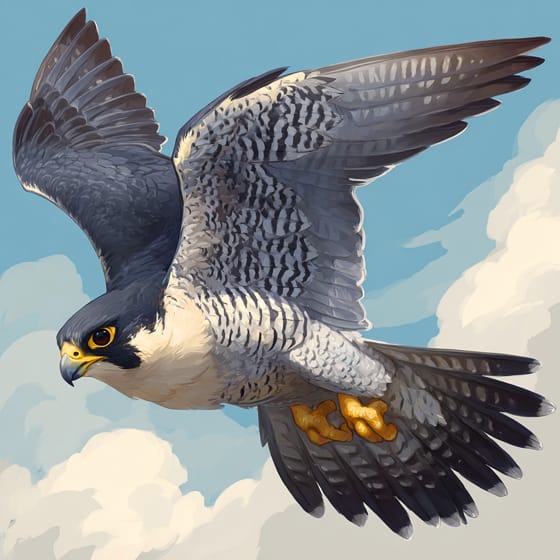
Falco peregrinus
Predator of adult sandpipers.

Vulpes vulpes
Preys on eggs, chicks, and nesting adults.
Chironomus plumosus
Larvae are a primary food source.
Daphnia magna
Small crustaceans eaten from water.
Feathered describes animals, primarily birds, possessing a covering of feathers.
Marked with spots or patches of a different color.
Social animals live in organized groups, cooperating for survival benefits such as foraging, defense, and raising offspring.
This trait identifies organisms whose diet primarily consists of insects and other small invertebrates.

This habitat trait identifies species found in wetlands, which are areas of land saturated with water, either permanently or seasonally, including marshes, swamps, and bogs.

Diurnal animals are primarily active during daylight hours, typically resting or sleeping at night.

This trait identifies organisms that exhibit exceptional swiftness in movement for hunting, escape, or travel.

Aquatic habitats encompass environments where organisms live predominantly in water, including oceans, rivers, lakes, and wetlands.

Migratory animals undertake seasonal movements from one region to another, typically in response to changes in climate or food availability.
No aliases listed yet.
Danger
1/5 · Very low
Always watch birds from a distance and be quiet so you don't scare them away.
The easiest way to identify Wood Sandpiper is to use the Snappit nature identifier app.
18-21 cm
39-44 cm
0.034-0.082 kg
8-12 years
60 km/h
This sandpiper loves to slurp up small insects and their larvae from shallow muddy water.
Wetlands
Zoom in to split clusters and explore where this object has been snapped.
Recent snaps will appear here as new observations are added.
Take the discovery with you
Snap it with Snappit to identify it, learn what makes it special, and add the discovery to your collection.




.jpg&width=800)








