





Tricolored Heron
Egretta tricolor
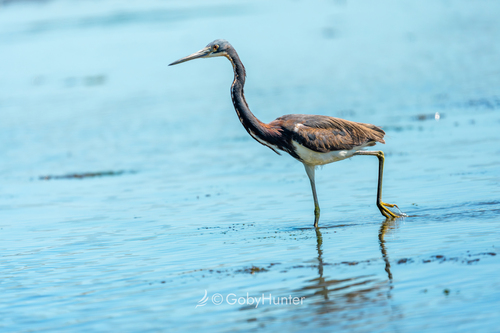
The Tricolored Heron is a beautiful bird with blue-gray feathers and a long neck. It loves to wade in shallow waters, looking for fish and frogs to eat. Watching it hunt is a special treat!
Habitat: Wetlands
The Tricolored Heron has a striking slate-blue back, white belly, and a distinctive rusty-brown and white striped neck. Its long, yellowish legs and a slender, pointed bill with a dark tip complete its elegant appearance, making it easily distinguishable from other herons.
Category
BirdsRarity
Common
Danger
1/5 · Very low
Snaps
30
Baby Tricolored Herons are born with fluffy down feathers for warmth.
Their extra-long toes help them balance on squishy mud and wobbly branches.
These birds often nest in large colonies, sometimes with other heron species!
They are sometimes called "Louisiana Heron" due to their common presence there!
The Tricolored Heron can spread its wings to create shade, which helps them see fish better in sunny waters.
The Tricolored Heron sometimes shuffles its feet in the water to stir up hiding prey, making them easier to catch.
The Tricolored Heron has incredible patience, standing perfectly still to ambush unsuspecting fish for a surprise attack.
A skilled hunter, this heron mainly eats small fish, but also enjoys insects and amphibians!
Gambusia affinis
A common prey item in its freshwater habitats.
Palaemonetes pugio
A staple food, especially in brackish waters.
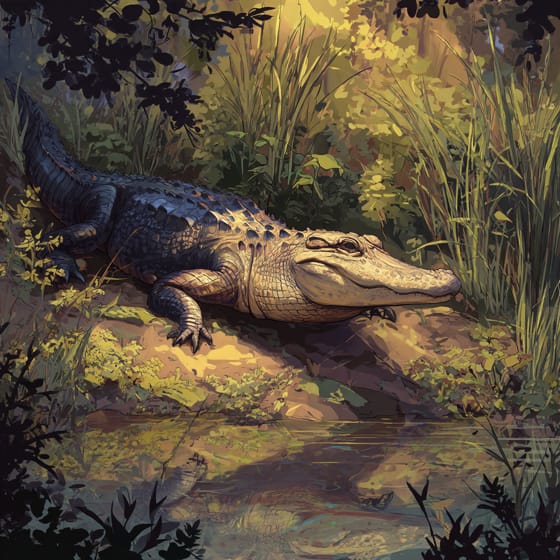
Alligator mississippiensis
Alligators prey on heron eggs, chicks, or adults.

Rhizophora mangle
Provides safe nesting and roosting sites for herons.
Feathered describes animals, primarily birds, possessing a covering of feathers.
Solitary animals live alone for most of their lives, only interacting with others for mating or parental care.
Colorful describes organisms or objects displaying a wide range of bright and distinct colors.
Piscivorous organisms are animals that primarily subsist on a diet of fish.

An ambush predator hunts by patiently waiting and concealing itself, then launching a sudden attack when unsuspecting prey comes within range.

This habitat trait identifies species found in wetlands, which are areas of land saturated with water, either permanently or seasonally, including marshes, swamps, and bogs.

This trait identifies organisms whose diet consists entirely or primarily of animal tissue.

Diurnal animals are primarily active during daylight hours, typically resting or sleeping at night.

Aquatic habitats encompass environments where organisms live predominantly in water, including oceans, rivers, lakes, and wetlands.

Threatened status denotes a species likely to become endangered in the foreseeable future without effective conservation interventions.
Danger
1/5 · Very low
Always watch birds from a distance and don't try to touch them.
The easiest way to identify Tricolored Heron is to use the Snappit nature identifier app.
56-76 cm
95-100 cm
0.3-0.4 kg
10-17 years
40 km/h
A skilled hunter, this heron mainly eats small fish, but also enjoys insects and amphibians!
Wetlands
Zoom in to split clusters and explore where this object has been snapped.
Jun 2, 2026
Stone Harbor Bird SanctuaryPhoto attribution
(c) GobyHunter, some rights reserved (CC BY)
License: CC BY 4.0 ↗
Image may be shown cropped inside the card frame.
May 16, 2026
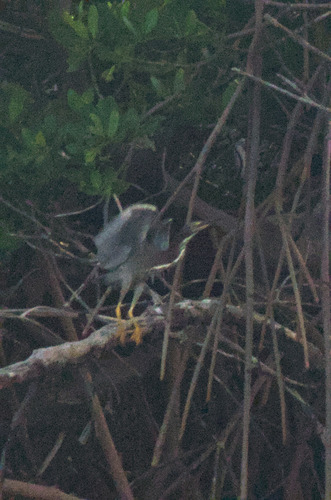
Gasparilla Inn Historic DistrictPhoto attribution
no rights reserved
License: CC0 1.0 ↗
Image may be shown cropped inside the card frame.

Georgia, US
You might spot Brown Anole, Anole, and Gulf Fritillary.
View guide →

South Carolina, US
You might spot Brown Pelican, Boat-Tailed Grackle, and Great Egret.
View guide →

Florida, US
You might spot American Alligator, Brown Anole, and Red-Shouldered Hawk.
View guide →

Florida, US
You might spot Crested Anole, Brown Anole, and Peters's Rock Agama.
View guide →

US
You might spot Brown Pelican, Boat-Tailed Grackle, and Great Egret.
View guide →

Florida, US
You might spot Brown Pelican, Black Spiny-Tailed Iguana, and Sea Grape.
View guide →
Take the discovery with you
Snap it with Snappit to identify it, learn what makes it special, and add the discovery to your collection.




.jpg&width=800)






