.jpg&width=800)




Woodland Dor Beetle
Anoplotrupes stercorosus
The Woodland Dor Beetle is a shiny black bug that helps nature by breaking down animal waste. They are often found in forests and are important for keeping the soil healthy.
Habitat: Forests
The Woodland Dor Beetle is a robust, rounded insect, typically 12-19mm long. It has a shiny, often iridescent metallic blue-black to violet or reddish-brown body with distinctively ridged wing covers (elytra). Its short, clubbed antennae and strong, spiny legs help it dig.
Category
InsectsRarity
Common
Danger
1/5 · Very low
Snaps
Be the first to snap!
Adults bury dung deep underground to create nurseries for their young.
Some Dor Beetles can move objects over 1,000 times their own weight!
They are an important meal for badgers and foxes in woodlands.
They make a buzzing or squeaking sound by rubbing parts of their body!
Woodland Dor Beetle can find fresh dung from far away because of its super sensitive antennae that help them locate food.
Woodland Dor Beetle has powerful, spiny front legs that help them quickly burrow into soil to bury dung for their larvae.
Woodland Dor Beetle can break down animal waste because they feed on dung, helping to enrich the forest soil.
These amazing beetles feast on decaying plants and animal waste, helping keep our forests clean and healthy!
Age differences: Larvae feed exclusively on buried dung provided by their parents, while adults also consume fungi and rotting plant matter.
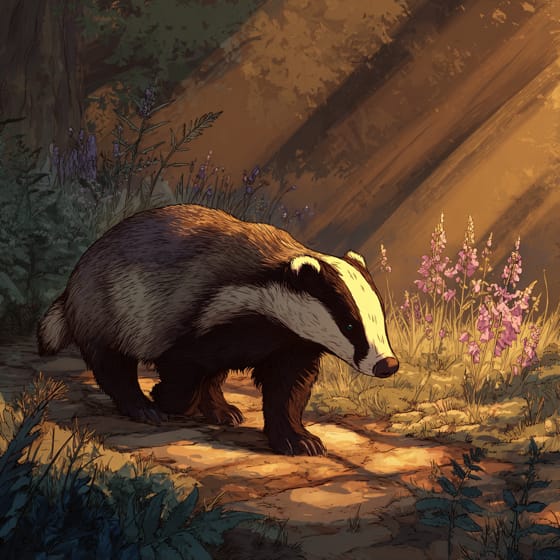
Meles meles
A common prey item for badgers.
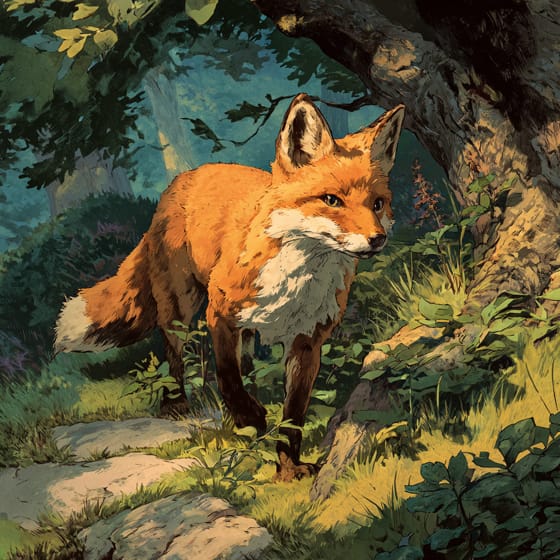
Vulpes vulpes
Foxes frequently hunt them in forests.
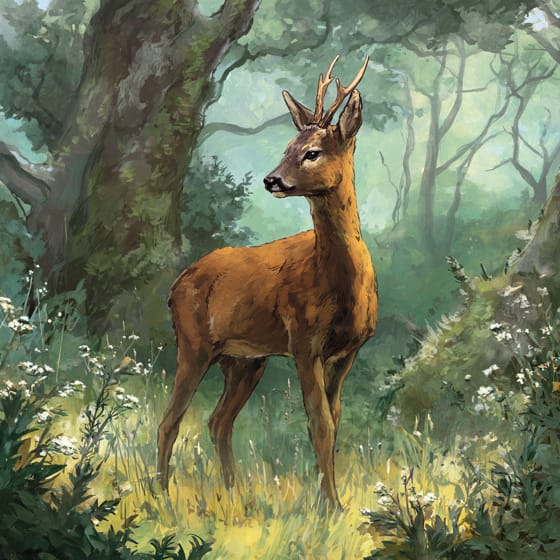
Capreolus capreolus
Feeds on the dung of Roe Deer.
Agaricus arvensis
Adult beetles consume decaying mushroom parts.
Solitary animals live alone for most of their lives, only interacting with others for mating or parental care.
This trait identifies organisms whose diet includes both plant and animal matter.
Scavengers consume dead organic matter, helping to decompose carcasses and other waste in the ecosystem.
Colorful describes organisms or objects displaying a wide range of bright and distinct colors.

Describes organisms that break down dead organic material, recycling nutrients back into the ecosystem.

Forest habitats are terrestrial environments dominated by dense tree cover, supporting a high diversity of plant and animal life.

Describes a species whose presence and role have a disproportionately large effect on its environment.

Nocturnal animals are primarily active during the nighttime hours, typically resting or sleeping during the day.
No aliases listed yet.
Danger
1/5 · Very low
These beetles are harmless, but it's best to observe them without touching.
The easiest way to identify Woodland Dor Beetle is to use the Snappit nature identifier app.
20-30 mm
12-19 mm
365-730 days
3-8 km/h
These amazing beetles feast on decaying plants and animal waste, helping keep our forests clean and healthy!
Forests
Foraging
Zoom in to split clusters and explore where this object has been snapped.
Recent snaps will appear here as new observations are added.
Take the discovery with you
Snap it with Snappit to identify it, learn what makes it special, and add the discovery to your collection.









.jpg&width=800)

