





woody goldenrod
Chrysoma pauciflosculosa
Woody goldenrod is a tall plant with bright yellow flowers that bloom in late summer. It grows in sunny places and is loved by butterflies and bees!
Habitat: Grasslands
The woody goldenrod is a unique plant with a tough, woody stem base, unlike most goldenrods. It has stiff, narrow, dark green leaves often dotted with sticky resin glands. Its bright yellow flowers bloom in dense, flat-topped clusters during autumn, standing out vividly.
Category
PlantsRarity
Common
Danger
1/5 · Very low
Snaps
Be the first to snap!
Did you know its scientific name, Chrysoma, means "golden body"? Wow!
It's like a yellow beacon, signaling a last chance for bees and butterflies to find food.
Some people call it a "subshrub" because it's a bit woody, but not quite a tree!
This special plant loves growing in super sandy soils, like those in sunny pine forests.
Woody goldenrod can grow a tough, woody stem base that helps it survive harsh conditions like drought and even fires.
Woody goldenrod has sticky resin on its leaves that helps protect it from hungry insects and too much sun.
Woody goldenrod blooms late in the year, providing a vital source of nectar for pollinators when other flowers are scarce.
Apis mellifera
Collects nectar for honey production.
Bombus impatiens
Visits flowers for nectar and pollen.
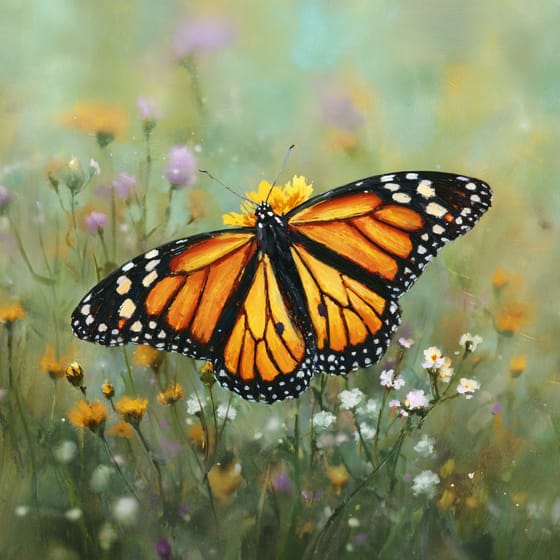
Danaus plexippus
Feeds on nectar during its migration.
Schinia arcigera
Larvae feed on the flowers and seeds.
Deciduous plants periodically shed all their leaves, typically during autumn or dry seasons.
Flowering plants are any plants that produce flowers as part of their reproductive cycle.
A shrub is a woody plant smaller than a tree, typically with multiple stems branching from or near the ground.
Summer blooming plants produce their flowers during the summer season, often providing vibrant color when many other plants have finished.

Fragrant flowers emit a pleasant aroma, often to attract pollinators or for defense.

Grassland habitats are terrestrial biomes dominated by grasses and herbaceous plants, supporting a variety of grazing animals.

Describes plants that are particularly attractive and beneficial to a wide range of pollinating organisms.
No aliases listed yet.
Danger
1/5 · Very low
Always look but don't touch wild plants, as some can be prickly or cause allergies.
The easiest way to identify woody goldenrod is to use the Snappit nature identifier app.
50-150 cm
30-60 cm
0.5-1.5 cm
Fall
No
None
Perennial
Zoom in to split clusters and explore where this object has been snapped.
Recent snaps will appear here as new observations are added.

Florida, US
You might spot False Rosemary, Florida Rosemary, and Sanderling.
View guide →

Florida, US
You might spot Great Blue Heron, Laughing Gull, and Florida Rosemary.
View guide →

Florida, US
You might spot False Rosemary, Willet, and Florida Rosemary.
View guide →
Take the discovery with you
Snap it with Snappit to identify it, learn what makes it special, and add the discovery to your collection.







.jpg&width=800)


_001.jpg&width=800)




