




white alder
Alnus rhombifolia
The white alder is a tall tree with smooth, light-colored bark and green leaves. It grows near rivers and streams, providing shade and homes for many animals.
Habitat: Wetlands
The white alder is a medium-sized tree with smooth, whitish-gray bark and an often straight trunk. Its bright green, oval leaves have toothed edges, turning yellow in autumn. Dangling yellow-brown male catkins and small, reddish-brown female cone-like structures appear in early spring.
Category
PlantsRarity
Common
Danger
1/5 · Very low
Snaps
2
Alder cones release tiny winged seeds that can float on water, spreading new trees downstream!
Its wood is often used to smoke fish, giving them a delicious, savory flavor!
Look closely at its roots; they have tiny bumps that are homes for helpful nitrogen-fixing bacteria!
The bark was historically used by Native Americans to make a reddish-brown dye for baskets and clothing.
White alder can partner with special root bacteria to pull nitrogen from the air, enriching poor soils for itself and other plants.
White alder has strong root systems that help stabilize riverbanks and stream beds, preventing soil erosion during floods.
White alder can grow very quickly, allowing it to quickly establish itself and compete for sunlight in its preferred watery habitats.
Frankia alni
Bacteria in root nodules fix nitrogen for the tree.

Castor canadensis
Beavers may cut down and eat parts of alder trees.
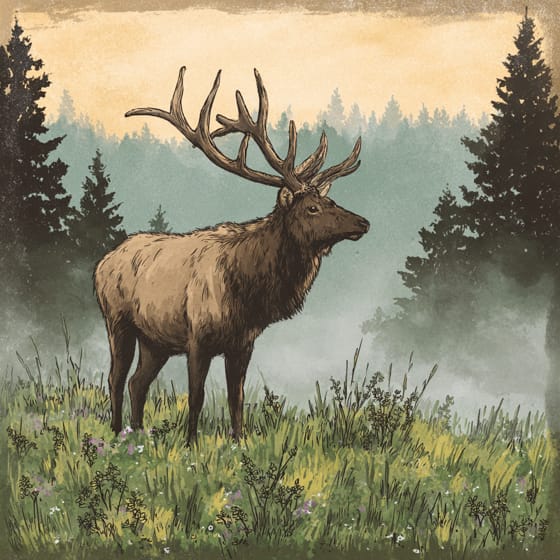
Cervus elaphus
Elk browse on the twigs and foliage, especially in winter.

Sciurus griseus
Squirrels build nests and find cover in alder branches.
Deciduous plants periodically shed all their leaves, typically during autumn or dry seasons.
Describes organisms capable of converting atmospheric nitrogen into compounds usable by plants.
Broadleaf trees are angiosperms characterized by flat, wide leaves that are typically shed annually in temperate climates.
Fall color refers to the seasonal change in foliage pigmentation, primarily in deciduous plants, displaying vibrant hues.

Rapid growing plants exhibit accelerated growth rates, quickly increasing in size and biomass within a short period.

Timber refers to wood that has been prepared for use in building and carpentry.

This habitat trait identifies species found in wetlands, which are areas of land saturated with water, either permanently or seasonally, including marshes, swamps, and bogs.

Describes a species whose presence and role have a disproportionately large effect on its environment.
No aliases listed yet.
Danger
1/5 · Very low
Stay on paths and don't climb trees without an adult's help.
The easiest way to identify white alder is to use the Snappit nature identifier app.
1500-2500 cm
800-1500 cm
1-2 cm
Late Winter to Early Spring
No
None
Perennial
Zoom in to split clusters and explore where this object has been snapped.
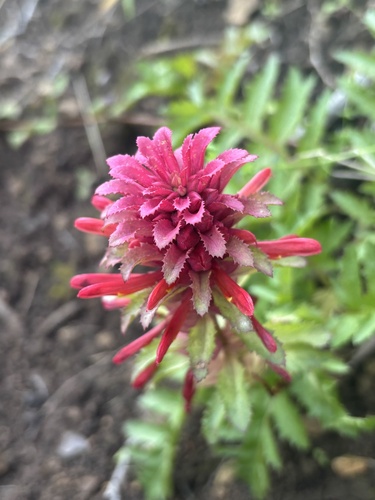
California, US
You might spot Warrior's Plume, Western Leatherwood, and White Globe Lily.
View guide →

California, US
You might spot Chaparral Yucca and Grinnell's Beardtongue.
View guide →

Washington, US
You might spot Ring-Billed Gull, Canada Goose, and Northern Saw-Whet Owl.
View guide →
Take the discovery with you
Snap it with Snappit to identify it, learn what makes it special, and add the discovery to your collection.








.jpg&width=800)


_001.jpg&width=800)




