




tomcat clover
Trifolium willdenovii
Tomcat clover is a small, cheerful plant with bright green leaves and lovely little flowers. It grows in fields and meadows, making the world a prettier place!
Habitat: Grasslands
The tomcat clover has distinct, dense flower heads that appear round and fuzzy, ranging in color from pinkish-purple to creamy white. Its leaves are composed of three heart-shaped leaflets, often with a lighter marking in the center, growing on hairy stems.
Category
PlantsRarity
Common
Danger
1/5 · Very low
Snaps
11
Early Native Americans sometimes ate its fresh leaves and flower heads!
Its leaves can fold up at night, like they're going to sleep for the evening!
The 'tomcat' name comes from the bristly, shaggy hairs on its flower heads!
This clover is part of the amazing pea family, making it related to beans!
Tomcat clover can work with tiny soil bacteria to add nitrogen, which acts like a fertilizer that helps other plants grow strong.
Tomcat clover has a dense, sprawling growth habit that helps it cover the ground, making it harder for unwanted weeds to sprout.
Tomcat clover can quickly grow and complete its life cycle during wet periods, allowing it to survive in dry environments.
Apis mellifera
Visits flowers for nectar and pollen.
Rhizobium leguminosarum
Forms root nodules to convert nitrogen.
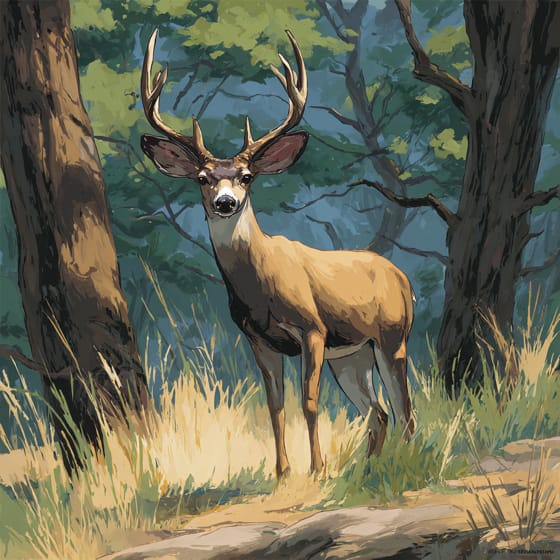
Odocoileus hemionus
Deer browse on its nutritious leaves and stems.
Euphydryas editha
Caterpillars feed on clover leaves.
Flowering plants are any plants that produce flowers as part of their reproductive cycle.
Describes organisms capable of converting atmospheric nitrogen into compounds usable by plants.
Colorful describes organisms or objects displaying a wide range of bright and distinct colors.
Edible plants are those parts of a plant that are considered safe for human consumption.

Grassland habitats are terrestrial biomes dominated by grasses and herbaceous plants, supporting a variety of grazing animals.

Describes plants that are particularly attractive and beneficial to a wide range of pollinating organisms.
No aliases listed yet.
Danger
1/5 · Very low
Always check with an adult before touching or picking plants.
The easiest way to identify tomcat clover is to use the Snappit nature identifier app.
10-50 cm
15-40 cm
1-2 cm
Spring to Mid-Summer
Yes
None
Annual
Zoom in to split clusters and explore where this object has been snapped.
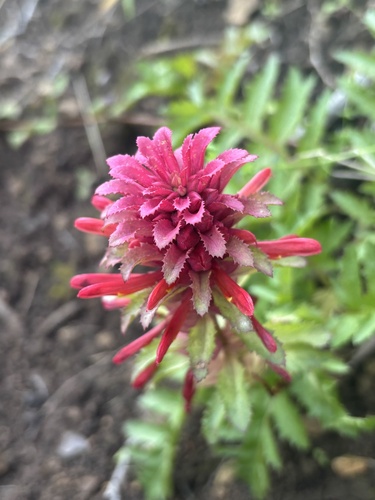
California, US
You might spot Warrior's Plume, Western Leatherwood, and White Globe Lily.
View guide →

California, US
You might spot Toyon, Mule Deer, and White Globe Lily.
View guide →

British Columbia, CA
You might spot Harbor Seal, Evergreen Huckleberry, and Alumroots.
View guide →
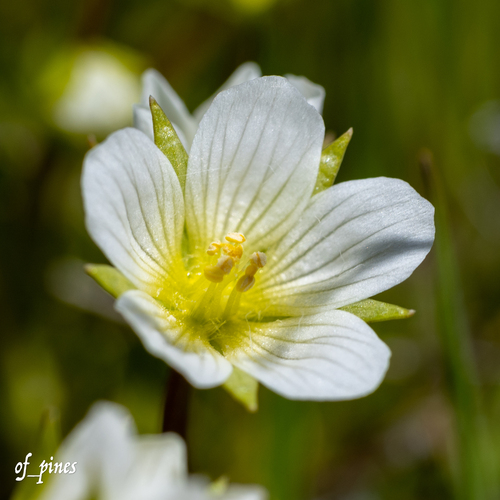
Oregon, US
You might spot Woolly Meadowfoam and California Goldfields.
View guide →

California, US
You might spot Hilton's Aeolid and Opalescent Nudibranch.
View guide →

California, US
You might spot Hoary Rock-Rose, Brittleleaf Manzanita, and Chaparral Pea.
View guide →
Take the discovery with you
Snap it with Snappit to identify it, learn what makes it special, and add the discovery to your collection.








.jpg&width=800)



_001.jpg&width=800)



