





Xerocomus
Xerocomus
Xerocomus is a type of mushroom that grows in forests. It has a unique cap shape and can be different colors like brown or orange.
Habitat: Forests
The Xerocomus has a dry, often velvety or finely cracked cap that can be various shades of brown, yellow, or reddish. Its underside reveals yellow pores that do not bruise blue instantly, and it stands on a slender, often ribbed stalk.
Category
FungiRarity
Common
Danger
2/5 · Low
Snaps
Be the first to snap!
If you find one, look closely for faint network patterns on its stem, a secret clue!
Some tiny forest insects love to live inside these mushrooms, using them as homes!
The name 'Xerocomus' means 'dry hair' because of its fuzzy cap!
They are part of a larger group of mushrooms called boletes, famous for their pores!
Xerocomus can form a special partnership with tree roots that helps both the mushroom and tree get nutrients.
Xerocomus has flesh that often changes to blue when cut, a magical chemical reaction that happens very quickly!
Xerocomus can release millions of tiny spores into the wind, helping new mushrooms grow far away.
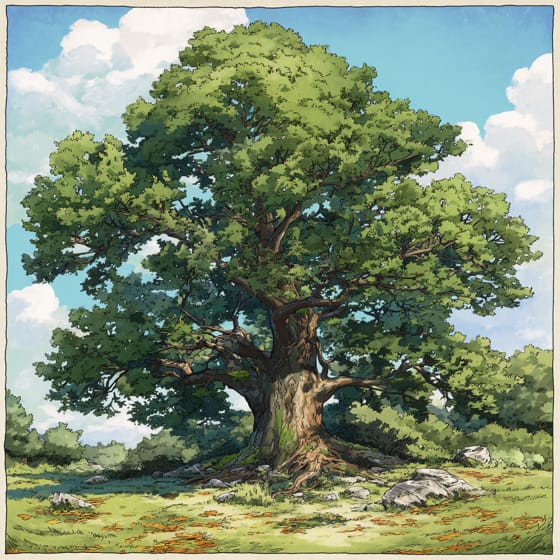
Quercus robur
shares nutrients with its roots
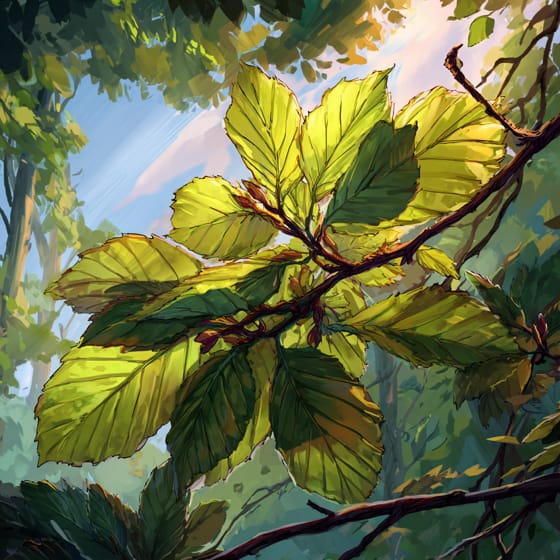
Fagus sylvatica
forms underground root partnerships
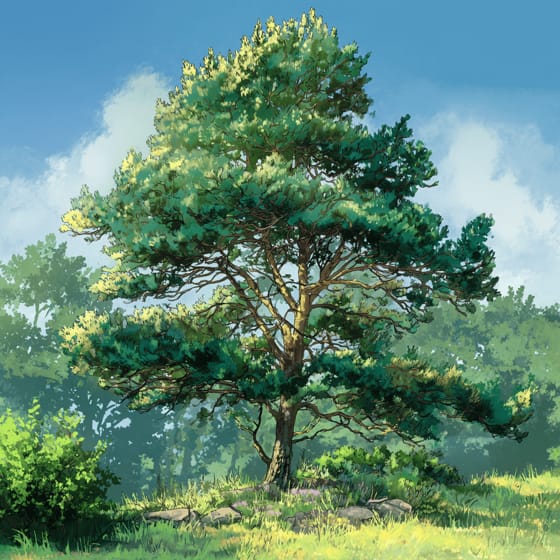
Pinus sylvestris
mycorrhizal partner in many forests
Limax maximus
grazes on its fleshy fruiting body
This trait describes a symbiotic relationship between a fungus and the roots of a plant, benefiting both organisms.
Spore-producing organisms reproduce by releasing small, often single-celled, reproductive units called spores.
This trait refers to fungal species that are safe for human consumption when properly identified and prepared.
Forest habitats are terrestrial environments dominated by dense tree cover, supporting a high diversity of plant and animal life.

This trait characterizes organisms with an exceptionally long lifespan compared to others of their kind.
No aliases listed yet.
Danger
2/5 · Low
Never eat mushrooms you find in the wild. Some mushrooms can make you very sick.
The easiest way to identify Xerocomus is to use the Snappit nature identifier app.
4-15 cm
edible
3-12 cm
Forests
soil
Summer to fall
Olive-brown
Zoom in to split clusters and explore where this object has been snapped.
Recent snaps will appear here as new observations are added.
Take the discovery with you
Snap it with Snappit to identify it, learn what makes it special, and add the discovery to your collection.















