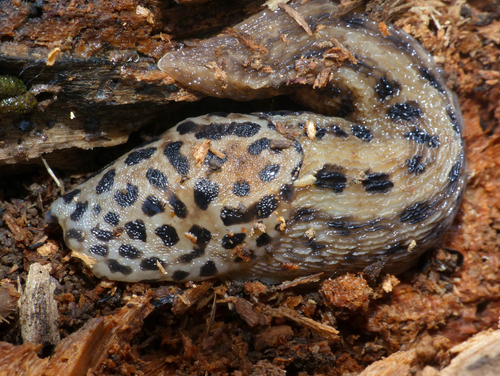


Leopard Slug
limax maximus
The Leopard Slug, scientifically known as Limax maximus, is a remarkably large and striking terrestrial gastropod. Native to Europe but now established across the globe, it is recognized by its distinct, leopard-like markings and surprisingly fast movements for a slug. Unlike common garden slugs that decimate healthy vegetable patches, the Leopard Slug is largely considered a gardener's friend. It plays a crucial ecological role as a detritivore, breaking down rotting plant matter and fungi into nutrient-rich soil. Beyond its role as an environmental recycler, this species harbors a surprisingly aggressive side. It is a highly capable predator that will aggressively hunt down and consume other, often herbivorous, slug species. It is also famous among naturalists for its spectacularly acrobatic mating ritual, wherein a pair of slugs will suspend themselves mid-air from a branch or ledge using a thick rope of mucus.
Habitat: Found in damp woodlands, often hiding beneath decaying logs, rocks, or moist leaf litter.
A fully grown Leopard Slug typically measures between 10 to 20 centimeters in length. Its body has a pale grey, light brown, or yellowish background hue. The mantle (the shield-like structure behind its head) is heavily decorated with dark, irregular spots and blotches resembling a leopard's coat. Behind the mantle, the long tail section features two or three dark longitudinal stripes along each side, which may occasionally break into lines of spots. It bears a pale, distinct keel (a ridge along the back) that spans only the rear section of its tail. Its breathing pore, or pneumostome, is located on the right side toward the rear of the mantle.
Category
InvertebrateRarity
Common
Danger
1/5 · Very low
Snaps
8
A Leopard Slug's radula (its tongue) is covered in tens of thousands of microscopic, backward-pointing teeth used to scrape up food.
Despite their slow reputation, Leopard Slugs can sprint at a top speed of up to 6 inches per minute when pursuing prey.
They are simultaneous hermaphrodites, meaning every individual has both male and female reproductive organs and can exchange sperm mutually.
Unlike most common garden slugs, Leopard Slugs generally ignore fresh, healthy, living plants, which makes them very beneficial to have in a vegetable garden.
During mating, two slugs entwine their bodies and lower themselves from a high branch or wall on a thick, durable thread of mucus, mating while suspended in mid-air.
Leopard Slugs possess a strong navigational memory and will frequently return to the exact same dark, damp crevice to rest after a night of foraging.
They are highly adept at tracking the slime trails of other slug species, rapidly pursuing and consuming them with their radula (a raspy, toothed tongue).
The Leopard Slug's diet primarily consists of decaying vegetation and fungi, supplemented significantly by hunting live prey such as other slugs.
Age differences: Juveniles mainly consume soft fungi and decaying organic matter, introducing live animal prey into their diet as they grow larger and more capable.
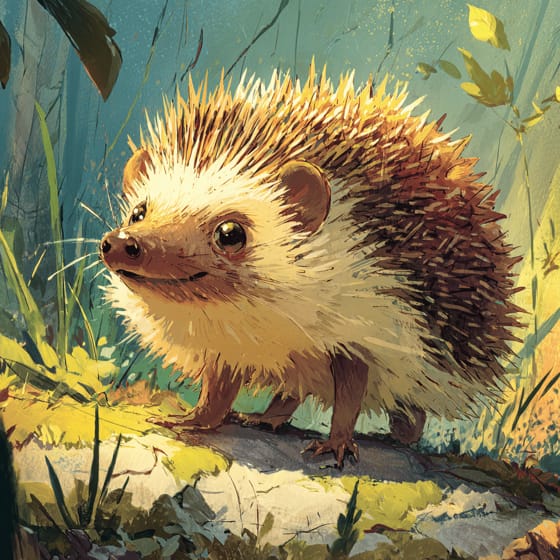
Erinaceus europaeus
Hedgehogs frequently forage for large, protein-rich slugs and snails during their nocturnal patrols.
Arion vulgaris
Leopard slugs actively hunt and eat competing pest slugs, helping to regulate their populations.
Bufo bufo
Toads consume various terrestrial gastropods, making the Leopard slug a potential prey item in damp habitats.
No trait badges are assigned for this object yet.
No aliases listed yet.
Collections for this object will appear here as more themes are added.
Danger
1/5 · Very low
No special safety notes yet.
The easiest way to identify Leopard Slug is to use the Snappit nature identifier app.
10-20 cm
0.01-0.02 kg
2-3 years
The Leopard Slug's diet primarily consists of decaying vegetation and fungi, supplemented significantly by hunting live prey such as other slugs.
Found in damp woodlands, often hiding beneath decaying logs, rocks, or moist leaf litter.
Foraging
50-130
Zoom in to split clusters and explore where this object has been snapped.

Oregon, US
You might spot Duck, Pacific Trillium, and Wood Duck.
View guide →

New York, US
You might spot Common Eastern Bumble Bee and Ground-Ivy.
View guide →
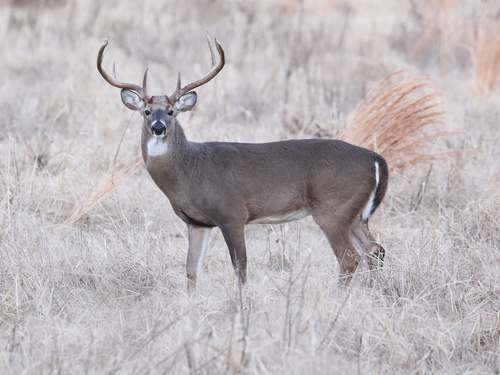
Virginia, US
You might spot White-Tailed Deer and House Sparrow.
View guide →

Virginia, US
You might spot Spotted Lanternfly and Northern Cardinal.
View guide →

Connecticut, US
You might spot American Nursery Web Spider and Common Eastern Bumble Bee.
View guide →

Pennsylvania, US
You might spot Spotted Lanternfly and Japanese Knotweed.
View guide →
Take the discovery with you
Snap it with Snappit to identify it, learn what makes it special, and add the discovery to your collection.