Yellow-bordered Taildropper
Prophysaon foliolatum
The Yellow-bordered Taildropper is a special kind of slug with a bright yellow edge on its body. It loves to hide under leaves and logs in damp places, making it a fun little creature to discover!
Habitat: Forests
The Yellow-bordered Taildropper is a reddish-brown to dark gray slug, distinctively outlined with a bright yellow or orange border on its mantle and foot fringe. Its tail often has a prominent ridge, setting it apart visually from many plain slugs.
Category
InvertebrateRarity
Common
Danger
1/5 · Very low
Snaps
Be the first to snap!
It uses a ribbon-like tongue covered in tiny teeth to scrape food!
Their bright yellow border glows under UV light, like a secret signal!
This slug is a hermaphrodite, meaning each one can lay eggs!
Unlike us, it breathes through a special hole on its side called a pneumostome!
Yellow-bordered Taildropper can drop its tail to escape from predators, which then regrows later.
Yellow-bordered Taildropper has a slippery slime that helps it glide over surfaces and deters predators.
This slug is a nature's clean-up crew, munching on dead plants and fungi to recycle nutrients!
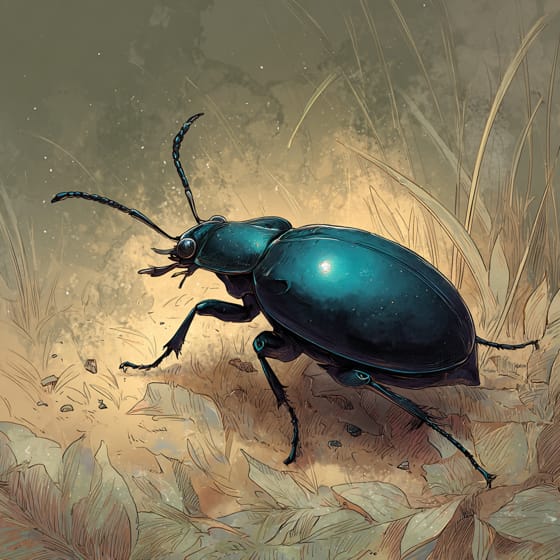
Carabus nemoralis
Actively preys on slugs in moist environments.
Sorex cinereus
A small mammal that often consumes slugs.
Thamnophis sirtalis
Eats slugs as part of its varied diet.
Solitary animals live alone for most of their lives, only interacting with others for mating or parental care.
Colorful describes organisms or objects displaying a wide range of bright and distinct colors.
This trait characterizes organisms whose diet consists entirely or primarily of plant material.
Describes organisms that break down dead organic material, recycling nutrients back into the ecosystem.

Forest habitats are terrestrial environments dominated by dense tree cover, supporting a high diversity of plant and animal life.
Regenerative organisms possess the ability to regrow lost or damaged body parts, tissues, or organs.

Nocturnal animals are primarily active during the nighttime hours, typically resting or sleeping during the day.
No aliases listed yet.
Danger
1/5 · Very low
It's best to look at slugs from a distance and not touch them, as they can be slimy.
The easiest way to identify Yellow-bordered Taildropper is to use the Snappit nature identifier app.
30-70
1-5
1-2
This slug is a nature's clean-up crew, munching on dead plants and fungi to recycle nutrients!
Forests
Foraging
Zoom in to split clusters and explore where this object has been snapped.
Recent snaps will appear here as new observations are added.
Take the discovery with you
Snap it with Snappit to identify it, learn what makes it special, and add the discovery to your collection.