





Yellow-footed Rock Wallaby
Petrogale xanthopus
The Yellow-footed Rock Wallaby is a small, cute kangaroo that loves to hop around rocky areas. With its bright yellow feet and fluffy tail, it's a special sight in the wild!
Habitat: Mountain regions
The Yellow-footed Rock Wallaby is a medium-sized marsupial recognized by its vibrant yellow-orange feet and tail base, fading to a dark brown tip. It has a grey-brown coat with a distinctive white stripe on its hips and a paler belly, making it visually stand out against rocky backgrounds.
Category
MammalsRarity
Rare
Danger
1/5 · Very low
Snaps
Be the first to snap!
A baby wallaby, called a joey, lives safely inside its mother's pouch for many months!
Mothers can pause a baby's development inside them until conditions are just right!
Their vibrant colours once confused early explorers, who thought they'd found a new species!
Yellow-footed Rock Wallabies can absorb water from plants, often not needing to drink at all!
Yellow-footed Rock Wallaby has rough, padded soles and strong claws that help them grip slippery rocks and steep surfaces.
Yellow-footed Rock Wallaby can leap with incredible precision across narrow gaps and up steep cliffs to escape predators.
Yellow-footed Rock Wallaby has a patchy coat of grey, brown, and yellow that helps them blend perfectly into rocky landscapes.
They are herbivores that munch on grasses, leaves, and other plant parts in their arid, rocky habitats.
Canis dingo
Dingoes are a primary natural predator in their native range.
Aquila audax
Young wallabies can be prey for this large bird of prey.
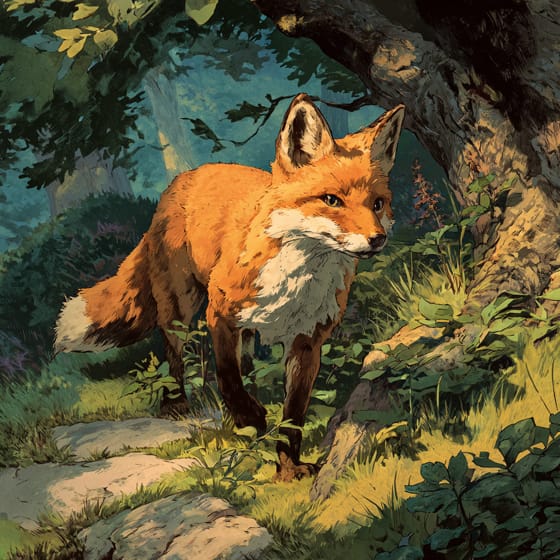
Vulpes vulpes
Introduced foxes prey on wallabies and compete for resources.
Furry describes animals possessing a dense covering of soft hair or fur.
Social animals live in organized groups, cooperating for survival benefits such as foraging, defense, and raising offspring.
Colorful describes organisms or objects displaying a wide range of bright and distinct colors.
This trait characterizes organisms whose diet consists entirely or primarily of plant material.

This habitat trait identifies species found in mountainous regions, characterized by high elevation, steep slopes, and varying climate zones.

Diurnal animals are primarily active during daylight hours, typically resting or sleeping at night.

Endangered status indicates a species is at a very high risk of extinction in the wild in the near future.
No aliases listed yet.
Danger
1/5 · Very low
Always watch from a distance and don't try to touch wild animals.
The easiest way to identify Yellow-footed Rock Wallaby is to use the Snappit nature identifier app.
50-80 cm
6-11 kg
7-15 years
45 km/h
They are herbivores that munch on grasses, leaves, and other plant parts in their arid, rocky habitats.
Mountain regions
Grazing
Zoom in to split clusters and explore where this object has been snapped.
Recent snaps will appear here as new observations are added.

Louisiana, US
You might spot African Lion, Jaguar, and American Alligator.
View guide →

Massachusetts, US
You might spot American Bison, Domestic Bactrian Camel, and Black Bear.
View guide →

Illinois, US
You might spot Southern White Rhinoceros and Reticulated Giraffe.
View guide →

England, UK
You might spot Red Panda and Ring-Tailed Lemur.
View guide →

Kansas, US
You might spot Cotton-Top Tamarin, American Bison, and Cougar.
View guide →
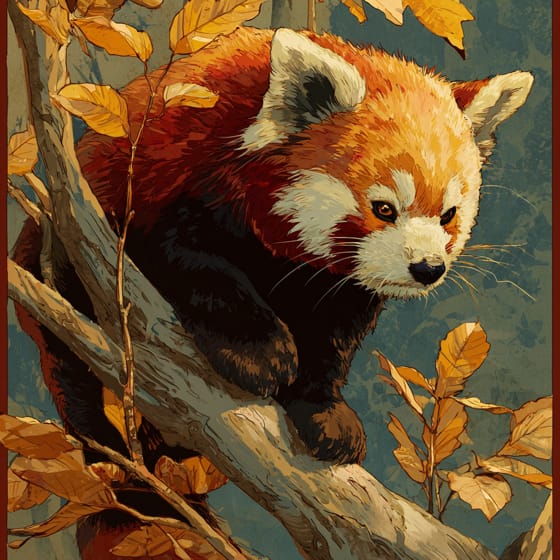
Iowa, US
You might spot Red Panda, African Lion, and Tiger.
View guide →
Take the discovery with you
Snap it with Snappit to identify it, learn what makes it special, and add the discovery to your collection.




.jpg&width=800)



.JPG&width=800)


.jpg&width=800)
