





yellow jessamine
Gelsemium sempervirens
Yellow jessamine is a beautiful climbing plant with bright yellow flowers. It grows in warm areas and can make gardens look cheerful and sunny!
Habitat: Urban areas
The yellow jessamine is a vigorous evergreen vine with glossy, dark green leaves. It produces abundant clusters of bright, fragrant, trumpet-shaped yellow flowers that stand out against its slender, reddish-brown stems.
Category
PlantsRarity
Common
Danger
3/5 · Moderate
Snaps
5
Every part of this beautiful plant is highly poisonous, even its sap!
Its stunning yellow flowers are the official state flower of South Carolina!
The vine can climb over 20 feet high, creating impressive green walls!
Though toxic, it provides vital early nectar for bees and butterflies.
Yellow jessamine can rapidly twine its slender stems around supports, helping it climb high for sunlight.
Yellow jessamine has potent toxic compounds in all its parts, helping it defend against hungry animals.
Yellow jessamine can bloom in late winter, providing an early source of nectar for hungry pollinators.
Apis mellifera
collects nectar from its early spring blooms
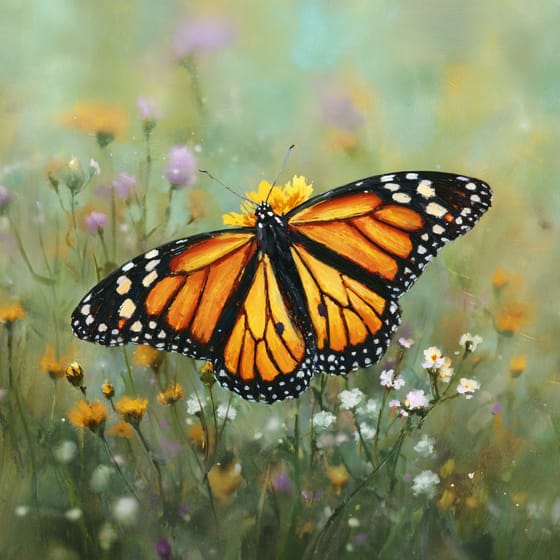
Danaus plexippus
visits flowers for nectar during migration
Homo sapiens
cultivated widely in gardens for its ornamental value
Climbing or vine plants are characterized by a growth habit that allows them to ascend upwards by twining, tendrils, or adhesive roots.
Flowering plants are any plants that produce flowers as part of their reproductive cycle.
Ornamental plants are cultivated primarily for their aesthetic appeal, enhancing landscapes and gardens with their attractive foliage, flowers, or form.
Summer blooming plants produce their flowers during the summer season, often providing vibrant color when many other plants have finished.

Evergreen plants retain their foliage throughout the year, never shedding all their leaves at once.

Fragrant flowers emit a pleasant aroma, often to attract pollinators or for defense.

Describes plants that are particularly attractive and beneficial to a wide range of pollinating organisms.

Domesticated refers to species that have been selectively bred and tamed by humans for specific purposes.

This habitat trait indicates species that can coexist with humans in urban and suburban environments, utilizing man-made structures and green spaces.
Danger
3/5 · Moderate
Do not eat any part of the yellow jessamine, as it can be harmful.
The easiest way to identify yellow jessamine is to use the Snappit nature identifier app.
300-600 cm
150-300 cm
2-4 cm
Late winter to early spring
No
High
Perennial
Zoom in to split clusters and explore where this object has been snapped.

Alabama, US
You might spot Elf Orpine, Canada Goose, and Leatherleaf Mahonia.
View guide →

Alabama, US
You might spot Elf Orpine, Canada Goose, and Great Blue Heron.
View guide →

Louisiana, US
You might spot Mississippi River Wakerobin and Lyreleaf Sage.
View guide →
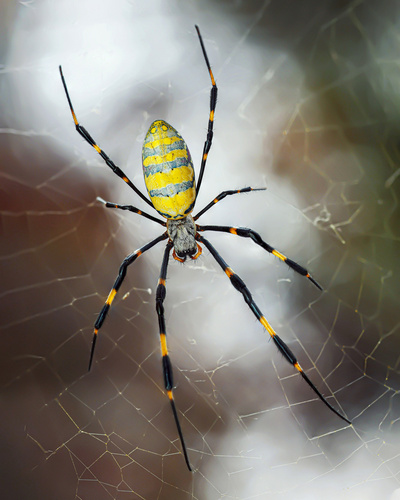
Georgia, US
You might spot Joro Spider, American Pokeweed, and Eastern Gray Squirrel.
View guide →

South Carolina, US
You might spot Yellow Pitcher Plant and Juvenal's Duskywing.
View guide →

South Carolina, US
You might spot Eastern Pondhawk and Four-Spotted Pennant.
View guide →
Take the discovery with you
Snap it with Snappit to identify it, learn what makes it special, and add the discovery to your collection.








.jpg&width=800)


_001.jpg&width=800)



