





Cow Parsley
Anthriscus sylvestris
Cow Parsley is a tall, leafy plant with fluffy white flowers that bloom in spring and summer. It grows in fields and along roadsides, making it a lovely sight in nature.
Habitat: Grasslands
The Cow Parsley has delicate clusters of tiny white flowers forming flat-topped 'umbels' atop hollow, ridged stems. Its lacy, fern-like leaves are a vibrant green, giving it a frothy appearance along hedgerows and verges. Unlike its poisonous look-alikes, its stems are typically green and hairy, not purple-spotted and smooth.
Category
PlantsRarity
Common
Danger
1/5 · Very low
Snaps
1
Cow Parsley can create a beautiful 'white wave' effect along roadsides in spring!
It's often confused with deadly Hemlock, so never taste it without an expert!
Its hollow stems were once used by children to make pea-shooters and whistles!
The seeds have tiny hooks that help them hitchhike on passing animals!
Cow Parsley can look very similar to dangerous plants, which might make some animals avoid it, helping it stay safe.
It produces abundant nectar, attracting many different insects, which helps it get pollinated by lots of visitors.
Cow Parsley can quickly spread its seeds and establish itself in new areas, allowing it to dominate open spaces.
Apis mellifera
visits flowers for nectar and pollen
Bombus terrestris
an important pollinator for its flowers
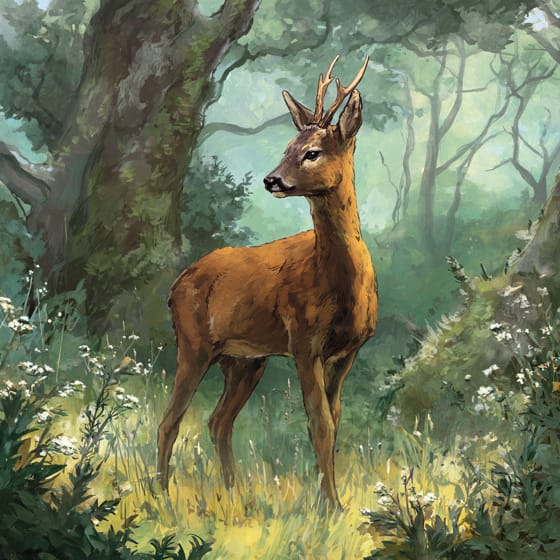
Capreolus capreolus
browses on young leaves and stems
Drosophila melanogaster
larvae can be found in dying stems
Papilio machaon
larvae occasionally feed on leaves
Flowering plants are any plants that produce flowers as part of their reproductive cycle.
Biennial plants complete their life cycle over two growing seasons, typically forming foliage in the first year and flowering/seeding in the second.
Cluster flowers are inflorescences where individual flowers are arranged closely together on a common stem.
Spring blooming plants produce their flowers during the spring season, often signifying the end of winter and the start of new growth.

Summer blooming plants produce their flowers during the summer season, often providing vibrant color when many other plants have finished.

Fragrant flowers emit a pleasant aroma, often to attract pollinators or for defense.

Edible plants are those parts of a plant that are considered safe for human consumption.

Grassland habitats are terrestrial biomes dominated by grasses and herbaceous plants, supporting a variety of grazing animals.

Describes plants that are particularly attractive and beneficial to a wide range of pollinating organisms.
No aliases listed yet.
Danger
1/5 · Very low
Don't touch or eat any plants without asking an adult first.
The easiest way to identify Cow Parsley is to use the Snappit nature identifier app.
60-150 cm
30-90 cm
0.2-0.3 cm
Spring to early Summer
Yes
None
Biennial
Zoom in to split clusters and explore where this object has been snapped.
Take the discovery with you
Snap it with Snappit to identify it, learn what makes it special, and add the discovery to your collection.








.jpg&width=800)


_001.jpg&width=800)



