





Yellow-legged Gull
Larus michahellis
The Yellow-legged Gull is a large bird that loves to hang out near the sea. With its bright yellow legs and big wings, it can often be seen soaring above the waves or searching for food on the beach.
Habitat: Coastal areas
The Yellow-legged Gull has a striking white body, grey back, and bright yellow legs. Its powerful yellow bill features a distinct red spot near the tip, making it easily identifiable. This species looks similar to the Herring Gull but has darker grey wings and a harsher call.
Category
BirdsRarity
Common
Danger
1/5 · Very low
Snaps
1
Some gulls live in big colonies with thousands of other birds, making a noisy home!
These adaptable birds can drink both fresh and saltwater thanks to special glands.
They often steal food from other birds, a trick called kleptoparasitism!
Yellow-legged Gulls build nests on cliffs, rooftops, and even abandoned boats.
Yellow-legged Gulls can spot tiny food items from high in the sky, helping them find meals quickly.
Yellow-legged Gulls can eat almost anything, allowing them to survive in diverse and changing environments.
Yellow-legged Gulls can glide effortlessly on air currents, conserving energy during long flights over water.
These clever gulls eat almost anything, from fish to discarded human food!
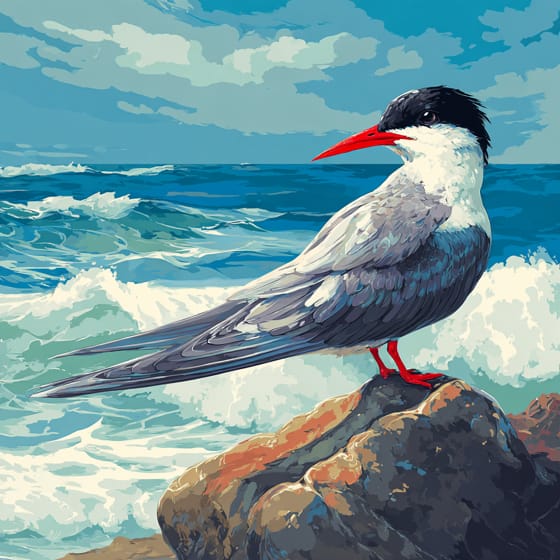
Sterna hirundo
Gulls often prey on the eggs and chicks of this seabird.
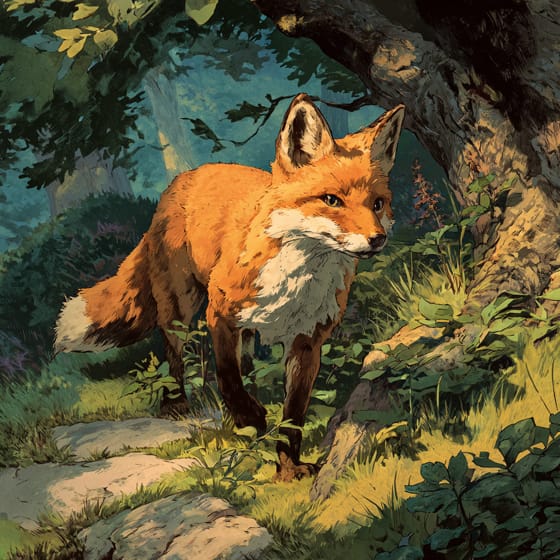
Vulpes vulpes
Foxes are known to predate gull nests, especially eggs and chicks.
Sardina pilchardus
Gulls frequently feed on small fish like pilchards, especially near coasts.
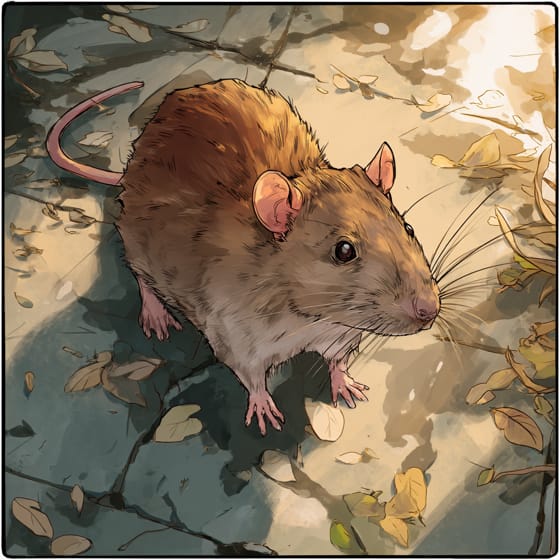
Rattus norvegicus
Rats can sometimes steal eggs or chicks from gull nests.
Feathered describes animals, primarily birds, possessing a covering of feathers.
Social animals live in organized groups, cooperating for survival benefits such as foraging, defense, and raising offspring.
Aerial creatures spend a significant portion of their lives airborne, utilizing flight for various activities such as hunting, migration, or nesting.
This trait identifies organisms whose diet includes both plant and animal matter.
Scavengers consume dead organic matter, helping to decompose carcasses and other waste in the ecosystem.

Coastal habitats are dynamic environments located along the interface between land and sea, influenced by tides, waves, and saltwater.

Marine habitats encompass all saltwater environments of the Earth's oceans, supporting an immense diversity of aquatic life.

Migratory animals undertake seasonal movements from one region to another, typically in response to changes in climate or food availability.
No aliases listed yet.
Danger
1/5 · Very low
Always keep a safe distance from birds and don't feed them, as it can make them dependent on people.
The easiest way to identify Yellow-legged Gull is to use the Snappit nature identifier app.
55-67 cm
130-158 cm
0.7-1.6 kg
10-25 years
70 km/h
These clever gulls eat almost anything, from fish to discarded human food!
Coastal areas
Zoom in to split clusters and explore where this object has been snapped.
Take the discovery with you
Snap it with Snappit to identify it, learn what makes it special, and add the discovery to your collection.





.jpg&width=800)









