





African Sacred Ibis
Threskiornis aethiopicus
The African Sacred Ibis is a beautiful bird with long legs and a curved beak. It often walks near water, searching for food like fish and insects. These birds are known for their striking black and white feathers.
Habitat: Wetlands
The African Sacred Ibis has a striking pure white body with distinct black flight feathers on its wings. Its head and neck are bare and black, topped with a long, downward-curving black bill, making it easily recognizable.
Category
BirdsRarity
Common
Danger
1/5 · Very low
Snaps
Be the first to snap!
African Sacred Ibises can swallow surprisingly large meals, including frogs and small snakes!
Ancient Egyptians believed these birds were sacred, even mummifying them with pharaohs!
Its scientific name, 'Threskiornis aethiopicus', means 'sacred bird of Ethiopia'!
Sometimes they follow tractors to feast on worms and bugs churned up by the farming equipment!
African Sacred Ibis can probe deep into soft mud with its long, curved bill to find hidden insects and small creatures.
African Sacred Ibises nest and roost in large groups, which helps them protect their young and find food efficiently.
This adaptable ibis can thrive in many environments, from wild wetlands to busy urban parks, finding food wherever it goes.
These omnivores enjoy a varied menu of insects, small animals, and sometimes even human food scraps!
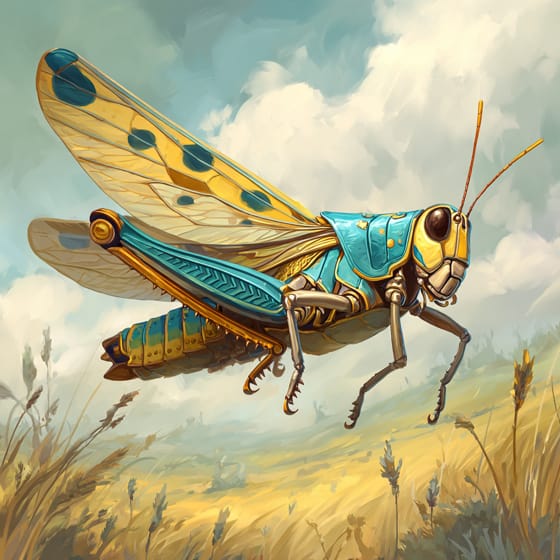
Locusta migratoria
Helps control insect populations, especially locusts.
Amietophrynus regularis
Preys on amphibians found in its wetland habitats.
Haliaeetus vocifer
A large raptor that sometimes preys on ibis adults or chicks.

Bos taurus
Forages near cattle, eating insects disturbed by their grazing.
Feathered describes animals, primarily birds, possessing a covering of feathers.
Social animals live in organized groups, cooperating for survival benefits such as foraging, defense, and raising offspring.
This trait identifies organisms whose diet primarily consists of insects and other small invertebrates.
Piscivorous organisms are animals that primarily subsist on a diet of fish.

This habitat trait identifies species found in wetlands, which are areas of land saturated with water, either permanently or seasonally, including marshes, swamps, and bogs.

Diurnal animals are primarily active during daylight hours, typically resting or sleeping at night.

Describes a species whose presence and role have a disproportionately large effect on its environment.
Danger
1/5 · Very low
Always watch birds from a distance and do not try to touch them.
The easiest way to identify African Sacred Ibis is to use the Snappit nature identifier app.
65-75 cm
112-124 cm
1.3-1.5 kg
15-20 years
40 km/h
These omnivores enjoy a varied menu of insects, small animals, and sometimes even human food scraps!
Wetlands
Zoom in to split clusters and explore where this object has been snapped.
Recent snaps will appear here as new observations are added.
Take the discovery with you
Snap it with Snappit to identify it, learn what makes it special, and add the discovery to your collection.




.jpg&width=800)









