Snappit logo
Snappit
Get App
Generic illustration, not a photograph of this venueIllustration
ParkIlles Balears, Spain

s’Albufera de Mallorca Natural Park

The best way to enjoy s’Albufera is to stop trying to cover ground.

About

The best way to enjoy s’Albufera is to stop trying to cover ground. Let your eyes settle on a patch of open water, listen beyond the movement of the reeds and see what changes while you wait. A bird hide gives children and first-time birdwatchers a useful frame: a small stretch of wetland becomes a place to compare shapes, movements and feeding styles.

This is s’Albufera de Mallorca, beside Platja de Muro in the north of the island. The natural park covers 2,036.23 hectares across Muro, sa Pobla and Alcúdia. Its protected landscape is much larger than the short paths around the Sa Roca visitor facilities, which make a manageable first visit.

Begin at the Pont dels Anglesos entrance, then follow the access path to the information centre to obtain your free permit and ask which paths and hides are available. Can Bateman’s interpretation centre gives the canals and old buildings a story: this wetland was reshaped by drainage and industry before becoming a place protected for nature.

For most visitors, one short route with generous pauses is a better day than ticking off all four. Sa Roca is the natural starting choice; des Cibollar adds a different mix of waterside trees and salt-influenced marsh. The long Camí d’Enmig - ses Puntes route deserves its own plan, enough water and plenty of time to get back before the gates close. Planning to visit? Download the Snappit app to identify the wildlife you spot in real-time.

The channels and bridges are part of a human-made water system as well as a wildlife landscape. The New Majorca Land Company’s drainage works of 1863–1871 left a lasting mark on s’Albufera. Can Bateman served first as a pumping station and later in the paper industry before its present interpretation role. The natural park was declared in 1988 and enlarged in 2021. Protection now depends on managing water and habitat, as well as keeping disturbance low.

What to do here

Once the park confirms access, collect your permit at Sa Roca, look around Can Bateman and choose one of the short signed routes. Spend time in an available hide, then compare the open water with the dense vegetation beside the canals. Let the youngest or least mobile person set the pace rather than adding a second route automatically.

Seasonal info

Normal published park hours are 09:00–18:00 from 1 April to 30 September and 09:00–17:00 from 1 October to 31 March. Sa Roca and Can Bateman normally close at 16:00 and are closed on Christmas Day and New Year’s Day. The current works notice takes priority over those normal hours. Rain, high water and maintenance can change the usable paths; ask at reception before committing to a longer route.

Accessibility

The park identifies the entrance-to-centre access path and a concreted section of route 1 as adapted for wheelchairs. Other tracks have uneven compacted-earth surfaces, even though the landscape is mostly flat. Visitors with reduced mobility may drive to the information centre and request the free special parking permit there. Ask in advance which hide entrances, bridges and viewing positions suit your chair, scooter or pushchair, especially while works affect facilities.

Don't miss

1

Patient birdwatching from the signed hide network

2

The canals and reedbeds around Sa Roca

3

Can Bateman’s wetland and industrial history

4

The contrast between waterside woodland and salt-influenced marsh

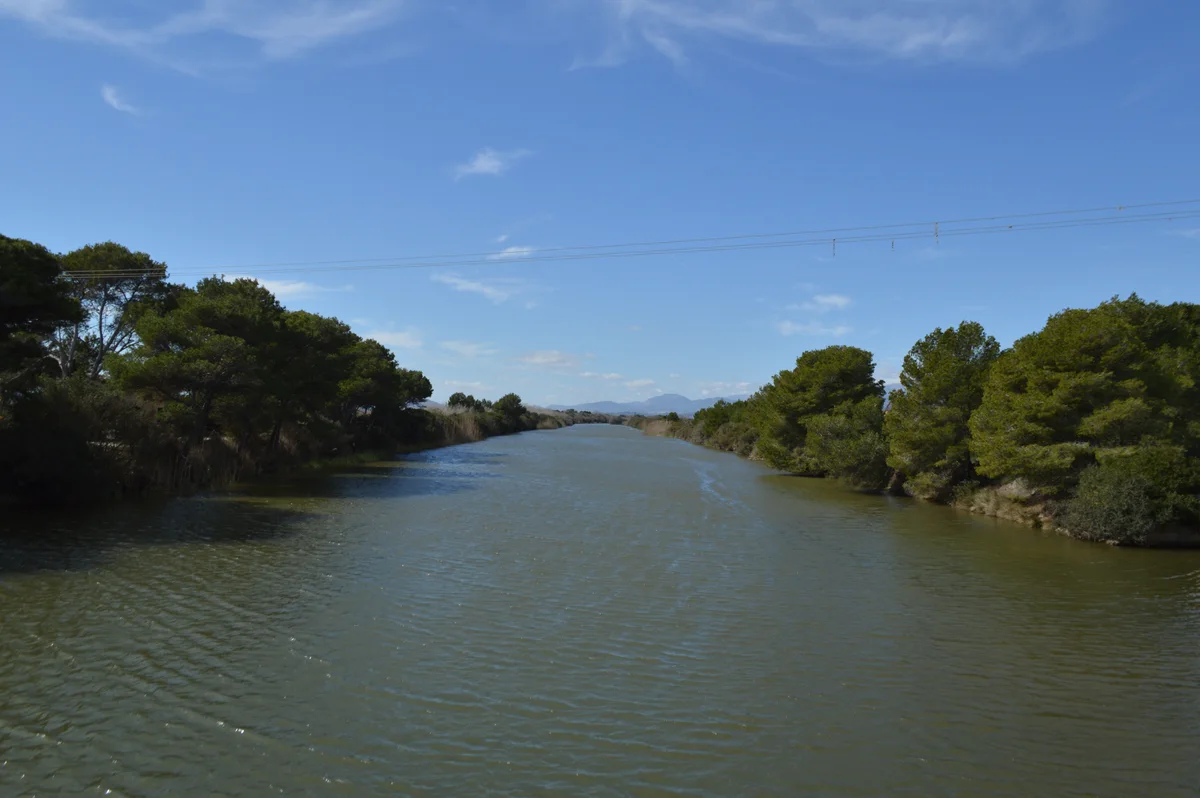
A broad straight water channel lined by reeds and trees, with distant mountains under a blue sky.

The Gran Canal in Parc Natural de s’Albufera de Mallorca, photographed in February 2017.

Gran Canal del Parc Natural de s'Albufera de Mallorca 2.jpg — Miquel1004 / Wikimedia Commons / CC BY-SA 4.0 · Creative Commons

Walks and routes

1. Itinerari de sa Roca

Start around Can Bateman and use the signed route through the central wetland. The park leaflet describes the public es Ras and Watkinson hides and the small Turó de sa Roca viewpoint. Choose the currently available stops with staff; time spent watching matters more than the distance.

Only a section of route 1 is described as concreted and adapted. Do not assume the whole route, viewpoint or each hide is step-free. Ask staff for the precise suitable section.


1. Itinerari de sa Roca

2. Itinerari des Colombars

This option starts by Can Bateman and follows the canal landscape towards des Colombars. The official leaflet describes a viewing platform and a hide, with a return along the approach. The short headline distance is not a complete entrance-to-entrance walk; check the current route map before setting out.

Do not treat the platform and wooden walkways as wheelchair-accessible without confirmation. The general park advice warns of irregular surfaces away from its adapted sections.

2. Itinerari des Colombars

3. Camí d’Enmig - ses Puntes

The long park route begins by Can Bateman and explores a much broader selection of habitats and water-management heritage. The authority gives three hours for the route, but birdwatching stops and the coastal approach make it a substantially longer outing. Choose it instead of trying to add it after a full morning in the hides.

Low official difficulty does not make 12.5 km a small undertaking. Uneven tracks, prolonged exposure and the distance make this a different choice from the adapted Sa Roca sections.

3. Camí d’Enmig - ses Puntes

4. Itinerari des Cibollar

A good second choice for returning visitors: canal edges, waterside woodland and the salt-influenced marsh make a useful contrast with Sa Roca. The official leaflet describes the Bishop hides and a return along the same path. Let staff identify the currently usable route and viewing stops.

Wooden bridges and uneven paths need individual checking. For a wheelchair or pushchair, ask staff whether the surfaces and available hide entrances suit your needs before choosing this route.

4. Itinerari des Cibollar

A first visit with room to stop

After confirming reopening, aim for an early arrival within opening hours. Walk in to Sa Roca, collect the permit, visit Can Bateman and choose the available parts of route 1. Keep the last part of your 3–4 hours for a relaxed return rather than an extra route.

A slower visit with limited walking

Ask staff in advance about reduced-mobility vehicle access and the adapted path sections. Build the visit around the information centre, an available suitable viewing point and the facilities you need. Decide the route after checking the actual surfaces, rather than relying on the park’s flat appearance.

A longer birdwatching day

Choose either a careful combination of short routes or the 12.5 km Camí d’Enmig - ses Puntes route. Start with the day’s map and an agreed return time. The long option needs enough daylight, water and stamina for the approach as well as the route itself.

Things to try

Give one hide a proper chance

Settle quietly, scan the nearest water first and then look farther away. Pick one bird and follow its movements for a few minutes instead of repeatedly searching for a new species. Share the viewing openings and let children take turns.

Read the water landscape

Compare an open pool with a canal and a thick reedbed. What makes one easier for a swimming bird to use, and another better for hiding? At Can Bateman, connect those observations with the displays about water, wildlife and people.

Make a small family field notebook

Choose three things to record: a bird’s shape, a plant’s outline and a sound. Sketch rather than collect, and use the bird illustrations in the hides to check an identification. A few careful observations are enough for a satisfying visit.

A shorter visit, or another day

If access is open and conditions are safe, ask whether Can Bateman and the approach are suitable for a short visit. The centre is still about 1 km from the coastal entrance. In heavy rain, strong wind or flooding, choose an indoor plan outside the park and return when staff say the paths are usable.

Wildlife and habitats

Reeds and the wider sky

Common reed is one of the plants that builds the wetland’s structure. From a public path or hide, look above the vegetation as well as into it: western marsh harriers are documented here. Record the shape and flight you actually see before deciding on a name.

Open water and its margins

Use binoculars to compare ducks, little grebes and grey herons. Black-winged stilts are another documented wetland bird. Watch the contrast between swimming, diving, standing and walking without moving closer to the water or following birds away from the path.

More than birds

The park also records Iberian green frogs, European pond turtles and viperine snakes. Look from the path at the canal surface and banks; leave any animal undisturbed and keep hands out of the water. Their presence adds another layer to the wetland story.

Look at plants without touching

Common reed, great fen sedge and white poplar are useful starting points for noticing differences in plant form. Compare tall stems, dense narrow leaves and tree foliage. The route leaflet warns that fen-sedge leaf edges can cut, so use your eyes rather than your hands.

Stories and discoveries

Freshwater does not mean one uniform habitat

Streams and groundwater feed the marsh, while some seawater influence creates saltier areas. The differences help explain why the vegetation changes over quite short distances.

Conservation includes active work

Channels, water-control structures and managed grazing help keep a range of habitats available. Cattle and horses used for habitat management are livestock, so they should not be counted as wild-species sightings.

A duck with a return story

The park’s red-crested pochards are associated with a reintroduction programme after the species was lost locally. Their return shows how protection and practical conservation work can restore part of a wetland’s wildlife.

When to visit

Spring

Allow time for migration interest and busy hides. Keep voices low and avoid following birds into vegetation; choose one or two watching places rather than trying to inspect every corner.

Summer

Pick the cooler opening hours, carry water and favour a short visit. The park specifically discourages the long perimeter route in intense summer heat. Shade in one section does not make the entire outing sheltered.

Autumn

Migration can make this a rewarding season. Before making an autumn trip, confirm that the works have finished and your chosen paths are available, and keep an alternative plan for the day.

Winter

Plan around the shorter 17:00 closing time and leave room for waterbird watching. Bring a layer against wind and ask about wet or flooded tracks before leaving the centre.

Getting there and practical advice

Sa Roca information centre

This is the place for the free permit, route advice and current bird information. Its normal published hours are 09:00–16:00, except Christmas Day and New Year’s Day. Check the works notice first. Telephone: +34 971 892 250.

Can Bateman interpretation centre

The exhibition adds natural-history and heritage context to the walk. The normal published hours match Sa Roca, 09:00–16:00 except Christmas Day and New Year’s Day; ask whether the building is available during or after the works.

Toilets and a place to pause

Toilets are at the information centre, including one described as adapted. The rest area has benches and pergolas for a brief break. There is no park café or restaurant, and a drinks machine is no substitute for bringing enough water.

Hides, equipment and shop

The park provides bird hides, observation points and bird illustrations. Bring your own binoculars: the official information says rental is unavailable. A small nature-book shop is listed at reception; the park currently describes shop and drinks-machine payments as cash-only.

Use the coastal entrance for a first visit

Head for Pont dels Anglesos on the Ma-12 in Platja de Muro. The ordinary approach into the park is on foot or by bicycle, with Sa Roca about 1 km inside. The park lists other walking/cycling accesses at s’Amarador and Pont de Can Blau, but they do not remove the permit requirement.

Arriving by car

The park lists a free, unguarded parking area beside the Pont dels Anglesos entrance. If it is full, use only lawful parking in the surrounding streets and keep access clear. Ordinary visitor cars do not continue to Sa Roca; the reduced-mobility arrangement is a separate exception.

Arriving by public transport

Use TIB’s current planner for Platja de Muro and the park entrance, checking your exact travel date and return journey. Do not rely on a bus number copied from an older guide. Allow time for the walk from your stop and the separate 1 km approach within the park.

Wheelchairs and mobility aids

The entrance-to-centre path and a concreted stretch of route 1 are the specifically identified adapted sections. Other compacted-earth paths may be uncomfortable or impractical. Ask which bridges and hides are suitable today; mobility aids are permitted on adapted routes and facilities.

Reduced-mobility parking

The official instructions allow visitors with reduced mobility to drive to the information centre, then request a free special parking permit. Contact staff before travelling while works affect access and to clarify the route from your vehicle to the facilities.

Pushchairs and younger children

Choose the centre approach and the suitable part of route 1 rather than assuming every short trail is easy for small wheels. Keep children beside you at bridges and canal edges, and turn back before tiredness makes the return difficult.

Visitor information

Access notice

Check before travelling: on 17 October 2026, the park’s official pages displayed a closure for path and bird-hide works until 2 November, without specifying the year. Call +34 971 892 250 to confirm whether the park, visitor centres and your chosen paths have reopened. The usual hours and suggested visits below apply only when access is available.

Sources and useful links

Wildlife you might spot

12

Each card links to a full Explore page with photos, traits, and fun facts.

Snap map for this place

Start with the big picture, then zoom in to explore individual wildlife observations around this place.

Loading map…

Good to know before you go

Phone +34 971 892 250 before setting out while the closure notice remains displayed. Confirm the centres and your chosen route, rather than assuming an advertised end date guarantees reopening.

Collect the free visitor permit at the information centre on arrival, reaching reception well before its normal 16:00 closing time. Organised groups need a special permit requested from the park in advance.

Bring your own binoculars, drinking water, sun protection and mosquito repellent. Comfortable shoes with grip are more useful here than trying to dress for a beach stop.

Budget for the approximately 1 km approach to Sa Roca and the same return to the coastal entrance. Keep enough time to leave before the gates close.

Move quietly, stay on signed paths and leave plants, animals and their remains where they are. Watch from a distance; never use playback or approach nests to improve a sighting.

No picnics are allowed in the park and no eating is allowed in hides. Use the designated rest area for a brief snack, then plan your meal outside the park.

Pets are not admitted; the published exception is guide dogs for blind visitors. Contact the park beforehand if you need advice about an assistance animal.

Cycling is limited to permitted signed sections at a gentle pace, no more than 10 km/h. Sports activities and drones are prohibited; the short hide routes are best planned on foot.

Frequently asked questions

A works closure notice remained on the official pages when checked on 17 October 2026. It says until 2 November but gives no year. Confirm access with the park before travelling; normal seasonal opening hours do not override a closure.
Ordinary visits are free, but you must obtain a visitor permit at the information centre on arrival. Groups require a special permit in advance. Guided activities can also require advance registration.
Remember the approach: Sa Roca is about 1 km inside the coastal entrance. A centre visit and a little looking can take 1½–2 hours including the walk both ways. Add more time for a signed route or a proper spell in a hide.
No. The entrance path and part of route 1 are identified as adapted, but other tracks are uneven and individual bridges, hides and viewing points need checking. The information centre has an adapted toilet. Arrange a suitable plan with staff.
Plan lunch outside the park: picnics are not permitted and food is not allowed in hides. Pets are not admitted; the published exception is guide dogs for blind visitors.
This guide is for s’Albufera de Mallorca, reached from Platja de Muro. Valencia’s l’Albufera and Menorca’s s’Albufera des Grau are different protected areas. Mallorca’s s’Albufereta is also a separate reserve.
Wildlife changes with the season, water levels and chance. Use the species notes as a starting point, ask staff what has been seen recently and enjoy the habitat even when the birds stay out of view.

Recent snaps at this place

Recent snaps will appear here as new observations are added.

View all ›

Take the discovery with you

Exploring s’Albufera de Mallorca Natural Park?

Identify the wildlife you spot, learn as you go, and keep a collection of the adventure.

  1. 1Spot it
  2. 2Snap it
  3. 3Keep the discovery