





Duck
Anas platyrhynchos
Ducks are water-loving birds with webbed feet that help them swim. They have colorful feathers and quack loudly. Ducks can fly in the sky and swim gracefully in ponds and lakes.
Habitat: Ponds and Lakes
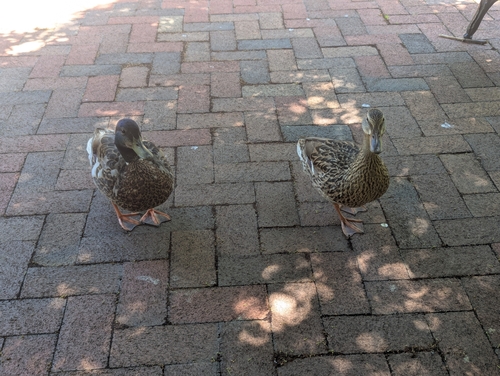
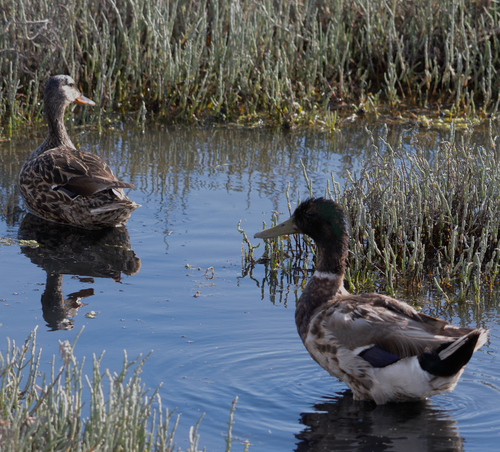
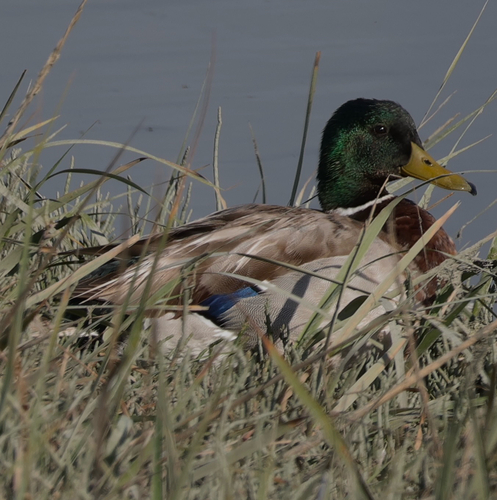
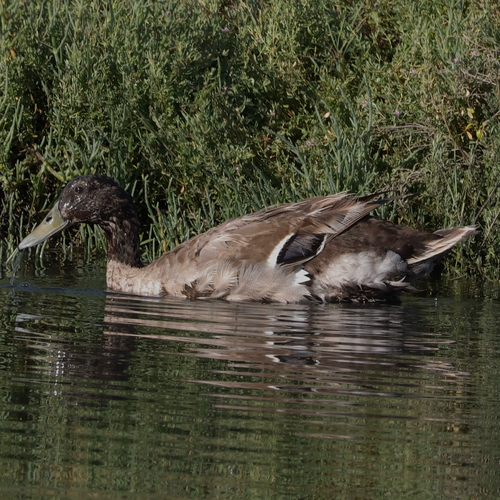
The Duck (specifically the Mallard) has striking visual differences between sexes: males boast an iridescent green head and white neck ring, contrasting with a grey body. Females are mottled brown for camouflage. Both have bright orange legs and feet.
Category
BirdsRarity
Common
Danger
1/5 · Very low
Snaps
1,498
Ducks don't have teeth but use ridges inside their bills to grip food before swallowing it whole!
Ducks have excellent vision, seeing almost 360 degrees around them without turning their head!
The loud 'Quack!' sound we often hear is usually made by female ducks; males make a softer, raspy sound!
When flying in a 'V' formation, ducks help each other save energy on their long migratory journeys!
Duck has special comb-like structures called lamellae in its bill that help them filter tiny plants and animals from the water.
Duck has a clear third eyelid, called a nictitating membrane, that protects their eyes while they are swimming underwater.
Duck can leap almost vertically into flight from water or land, using powerful leg muscles to quickly escape danger.
Ducks are omnivores, eating a mix of plants, insects, and small aquatic animals they find in water.
Age differences: Ducklings initially eat mostly protein-rich insects for growth, shifting to more plant matter as they mature.
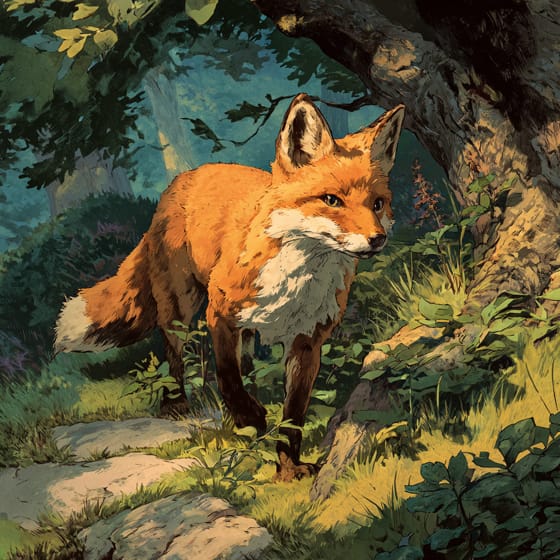
Vulpes vulpes
Foxes prey on ducks and their eggs.

Haliaeetus leucocephalus
Eagles are aerial predators of adult ducks.
.jpg&width=800)
Anas crecca
Share similar wetland habitats and food sources.
Potamogeton natans
Ducks consume the leaves and seeds of this plant.
Wildlife encompasses all undomesticated animal and plant life existing in their natural habitats.
Feathered describes animals, primarily birds, possessing a covering of feathers.
Characterized by having toes connected by a membrane, typically aiding in swimming.
Social animals live in organized groups, cooperating for survival benefits such as foraging, defense, and raising offspring.

This trait identifies organisms whose diet includes both plant and animal matter.

Diurnal animals are primarily active during daylight hours, typically resting or sleeping at night.

Freshwater habitats include non-saline aquatic environments such as rivers, lakes, ponds, and wetlands, vital for numerous species.
Danger
1/5 · Very low
Enjoy watching ducks from a safe distance and never disturb their nests or habitats.
The easiest way to identify Duck is to use the Snappit nature identifier app.
50-65 cm
81-98 cm
0.7-1.6 kg
5-10 years
88 km/h
Ducks are omnivores, eating a mix of plants, insects, and small aquatic animals they find in water.
Ponds and Lakes
Zoom in to split clusters and explore where this object has been snapped.
Jun 20, 2026
BloomingdalePhoto attribution
(c) Peter Burka, some rights reserved (CC BY-SA)
License: CC BY-SA 4.0 ↗
Image may be shown cropped inside the card frame.
Jun 20, 2026
Arrowmont School of Arts and CraftsPhoto attribution
(c) Zack, some rights reserved (CC BY)
License: CC BY 4.0 ↗
Image may be shown cropped inside the card frame.
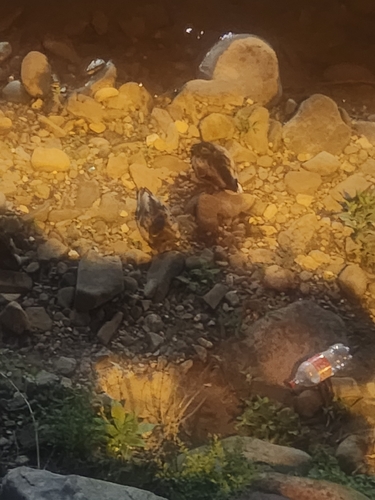
Jun 19, 2026
Palo Alto Baylands Nature PreservePhoto attribution
no rights reserved
License: CC0 1.0 ↗
Image may be shown cropped inside the card frame.
Jun 19, 2026
Palo Alto Baylands Nature PreservePhoto attribution
no rights reserved
License: CC0 1.0 ↗
Image may be shown cropped inside the card frame.
Jun 19, 2026
Palo Alto Baylands Nature PreservePhoto attribution
no rights reserved
License: CC0 1.0 ↗
Image may be shown cropped inside the card frame.

Alabama, US
You might spot Elf Orpine, Canada Goose, and Leatherleaf Mahonia.
View guide →

New York, US
You might spot Sundial Lupine, Spotted Horsemint, and New Jersey Tea.
View guide →

Virginia, US
You might spot Cope's Gray Tree Frog and Basilica Orbweaver.
View guide →

Ohio, US
You might spot Eastern Fox Squirrel and Spotted Lanternfly.
View guide →

Massachusetts, US
You might spot Eastern White Pine and Common Eastern Bumble Bee.
View guide →

Illinois, US
You might spot Common Eastern Bumble Bee and Brown-Belted Bumble Bee.
View guide →
Take the discovery with you
Snap it with Snappit to identify it, learn what makes it special, and add the discovery to your collection.




.jpg&width=800)









