Red Fox

Alagnak River is a pristine Alaskan wilderness, offering unparalleled wildlife encounters.
Alagnak River is a pristine Alaskan wilderness, offering unparalleled wildlife encounters. Designated a National Wild and Scenic River, its free-flowing waters traverse the stunning Alaska Peninsula, originating in the rugged Aleutian Range within Katmai National Park and Preserve. This remote natural sanctuary is celebrated for its untamed beauty, primitive shorelines, and unpolluted waters, providing a truly immersive wilderness experience far from the clamor of civilization.
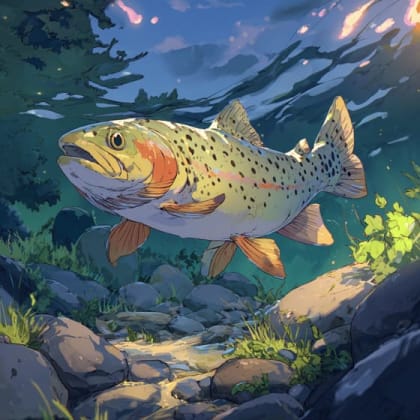
The Alagnak is a biological hotspot, teeming with iconic Alaskan wildlife and vibrant ecosystems. Visitors frequently encounter brown bears (grizzlies) feasting on the abundant salmon, bald eagles soaring overhead, and moose browsing along the riverbanks. The river is a world-renowned destination for anglers, hosting all five species of Pacific salmon—King, Sockeye, Chum, Pink, and Silver—alongside trophy-sized rainbow trout, Arctic char, and Arctic grayling. Its diverse landscapes range from vast open tundra and spruce forests to dramatic canyon walls and intricate braided river channels, offering endless photographic opportunities.
A visit to the Alagnak River is an unforgettable journey into the heart of Alaska's wild. Whether you're seeking the thrill of world-class sportfishing, the awe of watching brown bears fish at arm's length, or the tranquility of a multi-day float trip through breathtaking scenery, the Alagnak delivers a genuine, untamed adventure. Its rich cultural history, spanning thousands of years of human habitation, further deepens the connection one feels to this extraordinary landscape, making it a truly memorable destination. Don't forget to bring the Snappit nature identification app along to scan local species.
The Alagnak River has been a vital lifeline for humans for millennia, with archaeological evidence showing continuous occupation and resource utilization for at least 9,000 years. Native peoples, including Yup'ik, Alutiiq, and Dena'ina, have historically relied on the river's bounty for subsistence hunting, fishing, and gathering. The river's dynamic, ever-changing channels led to its local name, "Branch River," or "making mistakes" in the local language, reflecting its unpredictable course. In 1980, recognizing its exceptional natural and cultural significance, the upper 67 miles of the Alagnak River were officially designated a Wild River under the Alaska National Interest Lands Conservation Act (ANILCA). This designation ensures the preservation of its free-flowing characteristics, pristine scenery, diverse wildlife, and cultural heritage for future generations, while still allowing for traditional subsistence activities and recreational pursuits like sport fishing.
Activities include sport fishing (fly fishing and spin gear), whitewater rafting (Class I-III rapids), kayaking, canoeing, and wildlife photography. Hiking is limited, primarily across tundra in the upper river and lake areas. Primitive camping and sport hunting are also permitted in certain areas.
Summer (June-September): This is the main visitor season. Salmon runs are active, attracting numerous predators. The weather, while generally mildest, can still be unpredictable and remote.
Fall (Late September): Caribou herds begin migrating, and berries ripen, though visitor services may start winding down.
Winter: The river freezes, and the area is largely inaccessible, with lodges closed.
The Alagnak River is incredibly remote and inaccessible by road. Access is exclusively by floatplane, typically arranged from King Salmon. There are no visitor centers, paved trails, or public facilities within the Wild River area. Visitors should be prepared for a wilderness experience with limited infrastructure.
Witness brown bears fishing for salmon, especially during the sockeye run in July.
Target all five species of Pacific salmon, along with large rainbow trout, Arctic char, and Arctic grayling.
Experience multi-day rafting, kayaking, or floating trips through stunning Alaskan wilderness.
Observe bald eagles perched atop spruce trees or swooping for fish.
Each card links to a full Explore page with photos, traits, and fun facts.
Start with the big picture, then zoom in to explore individual wildlife observations around this place.
Plan for Remote Access
Access to the Alagnak River is exclusively by floatplane, typically originating from King Salmon. Book your air charter well in advance.
Be Bear Aware
Brown bears are prevalent throughout the Alagnak's habitats. Store all food, cooking equipment, and trash in bear-resistant containers, make noise while hiking, and never approach bears.
Pack for Wilderness
There is no cell service or emergency medical facilities along the river. Bring a comprehensive wilderness emergency kit, satellite communication device, and consider travel insurance with medevac coverage.
Respect Private Property
Land ownership along the river is a mix of public and private parcels. Do not assume all pull-outs are public; consult a Bureau of Land Management (BLM) land status map to ensure property rights are observed.
Consider a Guided Trip
For an optimized and safer experience, especially for fishing or if you are new to remote Alaskan wilderness, consider booking with one of the local lodges or outfitters.
Optimal Timing for Wildlife
To witness the spectacular salmon runs and prime brown bear viewing, aim for a visit in July. This period offers the highest concentration of both species.
Jun 25, 2013

Maryland, US
You might spot White-Tailed Deer and Eastern Gray Squirrel.
View guide →
.jpg)
District of Columbia, US
You might spot Eastern Gray Squirrel, Duck, and House Sparrow.
View guide →

Illinois, US
You might spot American Robin, Canada Goose, and House Sparrow.
View guide →

Virginia, US
You might spot Spotted Lanternfly and Northern Cardinal.
View guide →
Take the discovery with you
Identify the wildlife you spot, learn as you go, and keep a collection of the adventure.