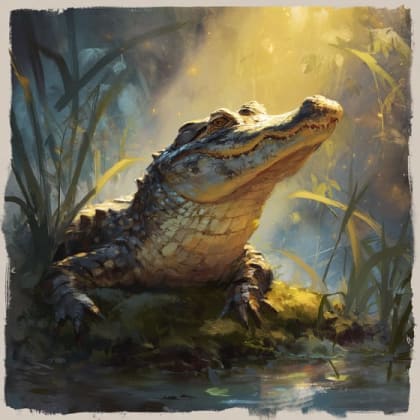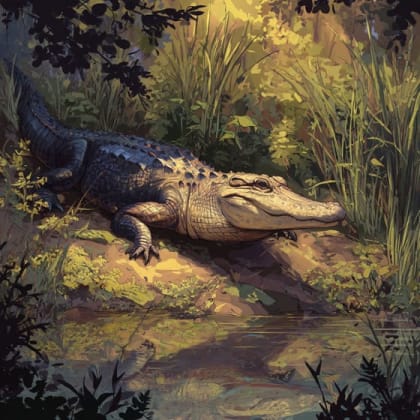





American Alligator

Discover a truly unexpected wildlife experience at Colorado Gators Reptile Park, nestled in the unique high desert landscape of Mosca, Colorado.
Discover a truly unexpected wildlife experience at Colorado Gators Reptile Park, nestled in the unique high desert landscape of Mosca, Colorado. What began as a tilapia fish farm has evolved into a nationally recognized reptile rescue and educational facility, utilizing the region's natural geothermal waters to create a thriving, warm habitat for hundreds of cold-blooded creatures. Visitors can embark on an engaging journey, enjoying rare hands-on opportunities like holding a small alligator and feeding friendly giant tortoises. The park's mission extends beyond mere display, focusing on educating the public about responsible exotic pet ownership and the ecological roles of reptiles.The park is home to a diverse collection of reptiles, including hundreds of alligators, several species of crocodiles and caimans, and a wide array of snakes, iguanas, monitor lizards, and giant turtles. Among its famous residents are "Morris" the movie star alligator, known for his role in "Happy Gilmore" (now taxidermied for display), and "Bruce Almighty," recognized as one of the largest alligators in the West. Beyond the reptiles, you'll find other rescued animals like emus and a variety of birds in the "Two Mile Creek Wildlife Habitat," which also offers opportunities for birdwatching. Exploring the tropical biodome and greenhouses reveals a lush environment sustained by the geothermal resources.A visit to Colorado Gators Reptile Park is an unforgettable adventure, offering a fascinating glimpse into a world of incredible animals that you wouldn't expect to find in Colorado. It's an opportunity to connect with wildlife, learn about conservation efforts, and support a unique rescue sanctuary. Be ready to snap and learn! Get the Snappit app to identify any nature species you find here.
The story of Colorado Gators Reptile Park began in 1977 when Erwin and Lynne Young established a tilapia fish farm in Mosca, Colorado. They utilized the area's geothermal wells, which provide naturally warm, 87-degree Fahrenheit water, ideal for raising tilapia and African perch. To efficiently dispose of fish processing waste, the Young family introduced 100 baby alligators to the farm in 1987.The alligators thrived in the warm geothermal ponds, growing rapidly and attracting significant local curiosity. Due to public interest, the farm opened its doors to visitors in 1990. Over the years, Colorado Gators has evolved into a sanctuary for unwanted or illegally owned exotic pets, taking in numerous alligators, pythons, iguanas, tortoises, and other reptiles that their previous owners could no longer care for. This rescue mission has become a core part of the park's identity, emphasizing education about the challenges and dangers of keeping exotic animals as pets.
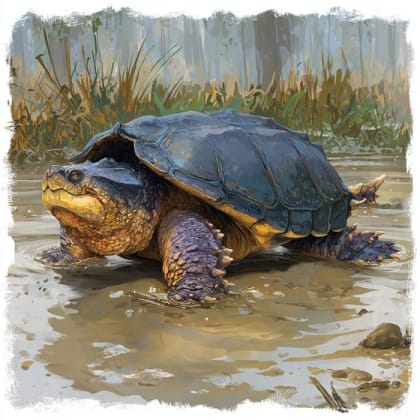
Beyond the key highlights, observe a variety of exotic snakes, iguanas, monitor lizards, Nile crocodiles, caimans, and impressive giant snapping turtles. Keep an eye out for albino alligators and various bird species, including emus, that roam the property or visit the Two Mile Creek habitat.
Even in winter, the geothermal waters keep the alligators and other reptiles warm enough to be active. Summer brings daily educational shows and the lively Gatorfest event in early August, which includes gator wrangling demonstrations and health checks.
The park is approximately 90% wheelchair accessible, and pets are welcome to join visitors on a leash or carried.
A popular interactive experience for visitors of all ages.
Purchase gator chow to toss to the eager alligators and feed the large, friendly tortoises.
See the famous alligator known for his appearance in 'Happy Gilmore' (now preserved through taxidermy for viewing).
Witness 'Bruce Almighty,' reputed to be the largest alligator in the Western United States.
Each card links to a full Explore page with photos, traits, and fun facts.
Start with the big picture, then zoom in to explore individual wildlife observations around this place.
Purchase Gator Chow
Enhance your visit by buying small bags of "gator chow" or turtle food at the gift shop. This allows for direct interaction by feeding the alligators and tortoises.
Dress in Layers
Given Colorado's variable weather and the mix of indoor and outdoor exhibits, dressing in layers is recommended to stay comfortable throughout your visit.
Don't Miss the Photo Opportunity
Be sure to take advantage of the chance to hold a small alligator for a memorable photograph.
Seek Out Famous Residents
Look for the signs identifying celebrity alligators like "Morris" and the impressive "Bruce Almighty" for unique photo ops and stories.
Check for Discounts
Before your visit, check the Colorado Gators website or local visitor centers for potential discount coupons or special offers.
Pet-Friendly Policy
If traveling with pets, note that the park is pet-friendly, allowing leashed or carried animals to join you.
Recent snaps will appear here as new observations are added.

Michigan, US
You might spot African Lion, Komodo Dragon, and Brown Bear.
View guide →
.jpg)
Municipal District of Cobh, IE
You might spot Ring-Tailed Lemur, Giraffes, and Cheetahs.
View guide →

Nouvelle-Aquitaine, FR
You might spot Greater Flamingo, Giraffes, and Red Panda.
View guide →

Texas, US
You might spot Giraffes, African Lion, and Eastern Black Rhinoceros.
View guide →