Cheetahs
.jpg&width=800)
Embark on an incredible journey at Fossil Rim Wildlife Center, a leading non-profit conservation center dedicated to preserving endangered species.
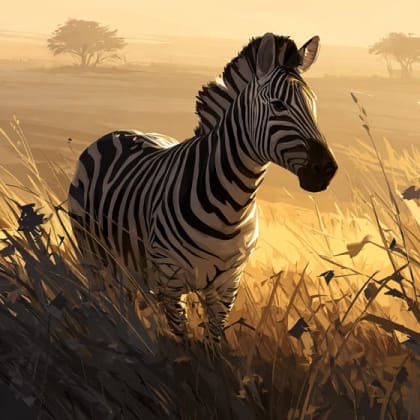
Embark on an incredible journey at Fossil Rim Wildlife Center, a leading non-profit conservation center dedicated to preserving endangered species. Spanning 1,800 acres of breathtaking Texas Hill Country, this unique venue provides an immersive safari experience where over 1,100 animals from more than 50 species roam freely. As you navigate the 7.2-mile scenic drive in your own vehicle or an open-air guided tour, you'll encounter majestic creatures like towering reticulated giraffes, sleek cheetahs, and striking Grevy's zebras, often approaching your car for a provided snack.The visitor experience is designed for close encounters and educational discovery. Halfway through your drive, you can pause at The Overlook, a hub featuring the Overlook Cafe, a Nature Store, and the engaging Children's Animal Center where you can meet smaller species such as black-footed cats and Nigerian Dwarf Goats. Beyond the main drive, Fossil Rim offers specialized tours, including "Behind-the-Scenes" experiences that delve into restricted areas, providing rare glimpses of critically endangered species like the American Red Wolf and Mexican Gray Wolf.Fossil Rim is more than just a wildlife park; it's a vital center for breeding endangered species, public education, and scientific research. Your visit directly supports these critical conservation efforts, allowing you to connect with wildlife in a profound way while contributing to their survival. It’s an unparalleled opportunity to witness global conservation in action, right in the heart of Texas. Unlock an interactive field guide for this spot: get the Snappit app to identify nature on the go.
Fossil Rim Wildlife Center began in 1973 when businessman Tom Mantzel acquired an exotic game ranch near Glen Rose, Texas, renaming it Fossil Rim Wildlife Ranch. Initially a private retreat, Mantzel's growing concern for species extinction led him to begin experimenting with breeding endangered species in 1982, starting with Grévy's zebras. Fossil Rim became the first ranch to participate in the Association of Zoos and Aquariums' (AZA) Species Survival Plan. Facing financial challenges from the oil industry downturn, Mantzel opened the ranch to the public in 1984 to fund his breeding programs, introducing new species and establishing a volunteer program. In 1987, conservationists Jim Jackson and Krystyna Jurzykowski acquired the property, reorienting it fully towards wildlife preservation and renaming it Fossil Rim Wildlife Center, expanding its mission and acreage.
Enjoy the self-guided drive, feeding various hoofstock and giraffes with provided pellets. Explore The Overlook amenities, including the Children's Animal Center and its smaller residents like black-footed cats and Nigerian Dwarf Goats. Consider a guided tour for deeper insights and access to areas housing sensitive species such as the American Red Wolf and Mexican Gray Wolf. Engage with educational displays and consider a hike on the Texas Trail or Mark's Nature Trail.
Fall is particularly recommended due to cooler temperatures making animals more active, and it's breeding season for some species, offering unique sights and sounds like European Red Deer bugling. Spring often brings baby animals. During hot summer afternoons, many animals may seek shade. When temperatures drop below 50°F, giraffes and rhinos may be kept in their barns for their safety, limiting their visibility.
The self-guided drive and standard guided Safari Tours are suitable for guests of all ages and abilities. ADA-compliant service animals are permitted but visitors should contact the center in advance. Behind-the-Scenes tours are not ADA-accessible.
The 7.2-mile Gosdin Scenic Drive
The Overlook (with its cafe, Nature Store, and Children's Animal Center)
various specialized guided tours, including "Behind-the-Scenes" options
Each card links to a full Explore page with photos, traits, and fun facts.
Start with the big picture, then zoom in to explore individual wildlife observations around this place.
Arrive Early
Plan to arrive in the morning, particularly on weekdays, for the best chance to see active animals and avoid crowds.
Purchase Tickets Online
Buy your admission tickets in advance through the Fossil Rim website to ensure entry and streamline your arrival.
Get Animal Feed
Definitely purchase a bag of animal feed (pellets) at the entrance. Breaking the pellets into smaller pieces can make your bag last longer, allowing you to feed more animals along the route.
Follow Road Rules
Stay inside your vehicle with doors and sunroofs closed, and only feed animals with the provided pellets. Do not honk or stop too close to gates/cattle guards.
Consider a Guided Tour
For a first-time visit or to access restricted areas and learn more from an expert, a guided Safari Tour or a "Behind-the-Scenes" tour offers a richer experience.
Pack Essentials
Bring water, sunscreen, and consider comfortable shoes if you plan to explore the walking areas at The Overlook.
Recent snaps will appear here as new observations are added.

Michigan, US
You might spot African Lion, Komodo Dragon, and Brown Bear.
View guide →
.jpg)
Municipal District of Cobh, IE
You might spot Ring-Tailed Lemur, Giraffes, and Cheetahs.
View guide →

Nouvelle-Aquitaine, FR
You might spot Greater Flamingo, Giraffes, and Red Panda.
View guide →

Texas, US
You might spot Giraffes, African Lion, and Eastern Black Rhinoceros.
View guide →