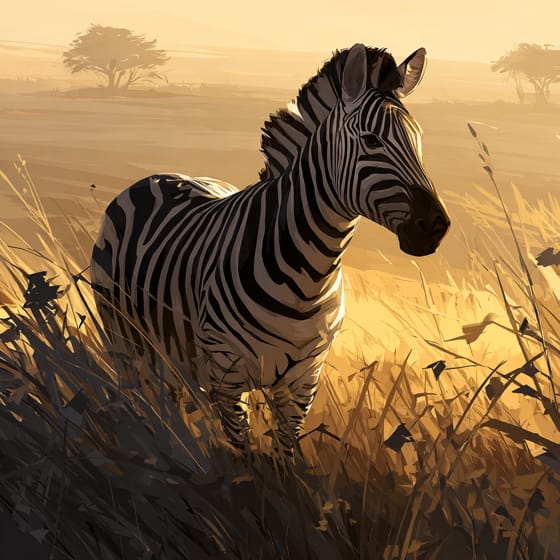





Zebra
Equus zebra
Zebras are striped horses that live in herds.
Habitat: Grasslands and savannas of Africa.
The Zebra has a distinctive coat of black and white stripes covering its entire body, making each individual unique like a fingerprint. Its robust, horse-like build is topped with an upright mane and a tufted tail, setting it apart from other large grazers.
Category
MammalsRarity
Common
Danger
3/5 · Moderate
Snaps
Be the first to snap!
A group of zebras is called a 'dazzle'!
They communicate using loud braying and snorting sounds.
Zebras are related to horses but cannot be fully tamed.
Zebras sleep standing up, but only in safe herds with others.
Zebra has bold stripes that create optical illusions, confusing predators about their numbers and direction.
Zebra can swivel their ears in almost any direction to pinpoint sounds, helping them detect danger far away.
Zebra can deliver a powerful kick strong enough to injure or deter predators, helping them defend themselves.
Zebra can graze peacefully in mixed herds, relying on more eyes and ears to spot lurking predators.
Zebras are herbivores that munch on tough grasses, keeping the savanna tidy.
Panthera leo
Lions often hunt zebras, especially the young, old, or weak.
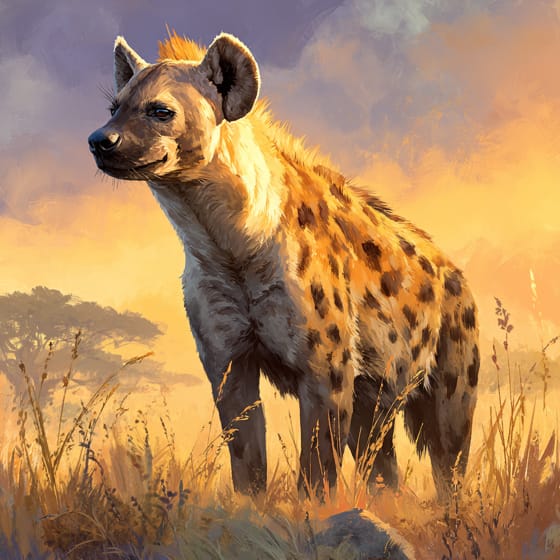
Crocuta crocuta
Hyenas, alone or in clans, also prey on zebras and scavenge kills.
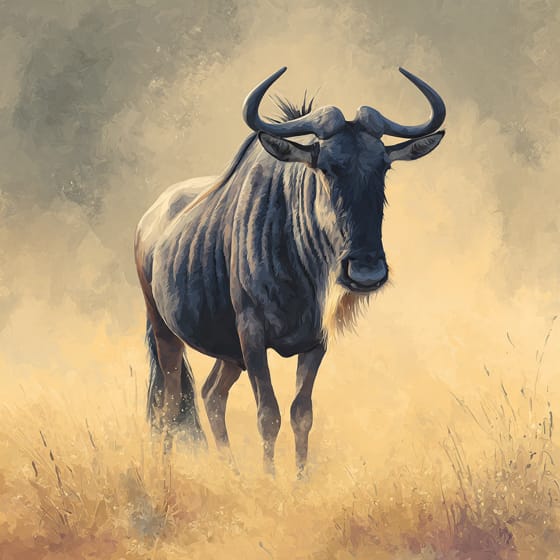
Connochaetes taurinus
Zebras and wildebeest often graze together, sharing vigilance against predators.
Themeda triandra
Zebras primarily graze on various grass species, including this common one.
Vachellia tortilis
They also browse on the leaves and pods of some acacia trees.
Wildlife encompasses all undomesticated animal and plant life existing in their natural habitats.
Furry describes animals possessing a dense covering of soft hair or fur.
Marked with parallel bands or lines of color.
Social animals live in organized groups, cooperating for survival benefits such as foraging, defense, and raising offspring.

Grassland habitats are terrestrial biomes dominated by grasses and herbaceous plants, supporting a variety of grazing animals.

This trait characterizes organisms whose diet consists entirely or primarily of plant material.

This habitat trait denotes species native to savannas, which are grasslands with scattered trees, typically found in tropical or subtropical regions with distinct wet and dry seasons.

Diurnal animals are primarily active during daylight hours, typically resting or sleeping at night.
No aliases listed yet.
Danger
3/5 · Moderate
Wild zebras can kick and bite.
The easiest way to identify Zebra is to use the Snappit nature identifier app.
220-260 cm
200-450 kg
20-30 years
65 km/h
Zebras are herbivores that munch on tough grasses, keeping the savanna tidy.
Grasslands and savannas of Africa.
Grazing
Zoom in to split clusters and explore where this object has been snapped.
Recent snaps will appear here as new observations are added.
.jpg&width=800)
Ohio, US
You might spot Reticulated Giraffe, Zebra, and American Bison.
View guide →
Florida, US
You might spot Giraffes, Rhinoceroses, and Zebra.
View guide →
New Jersey, US
You might spot African Lion, Snow Leopard, and Reticulated Giraffe.
View guide →

New York, US
You might spot Giraffes, Kangaroos, Wallabies and Allies, and Capybara.
View guide →

Massachusetts, US
You might spot American Bison, Domestic Bactrian Camel, and Black Bear.
View guide →

District of Columbia, US
You might spot Giant Panda, Red Panda, and Asian Elephant.
View guide →
Take the discovery with you
Snap it with Snappit to identify it, learn what makes it special, and add the discovery to your collection.




.jpg&width=800)


.JPG&width=800)

.jpg&width=800)
