




Cheetahs
Acinonyx
Cheetahs are the fastest land animals, known for their incredible speed and unique black spots. They love to run and can reach speeds of up to 60 miles per hour!
Habitat: Savannas
The Cheetah is a slender, tawny-yellow cat with distinctive solid black spots covering its body. It has long, powerful legs and a small head, instantly recognized by prominent black 'tear marks' running from its eyes to its mouth, making it visually distinct from leopards or jaguars.
Category
MammalsRarity
Common
Danger
3/5 · Moderate
Snaps
Be the first to snap!
Cheetahs don't roar like lions; they purr, chirp, and even meow like house cats!
Cheetahs hunt during the day to avoid bigger predators like lions and hyenas.
Each cheetah has a unique spot pattern, like a human's fingerprint!
Their black 'tear marks' help block sun glare, acting like natural sunglasses!
Cheetahs can run up to 120 km/h because of their flexible spine and long powerful legs that provide explosive acceleration.
Cheetahs have semi-retractable claws that act like running spikes, helping them grip the ground for sharp turns at high speed.
Cheetahs use their long, heavy tail as a rudder, which helps them balance and steer precisely during fast chases.
Swift hunters, cheetahs eat small- to medium-sized mammals they chase down using incredible speed!
Gazella thomsonii
Primary prey for high-speed chases.

Aepyceros melampus
A common medium-sized meal for cheetahs.
Panthera leo
Lions often steal cheetah kills and harm cubs.
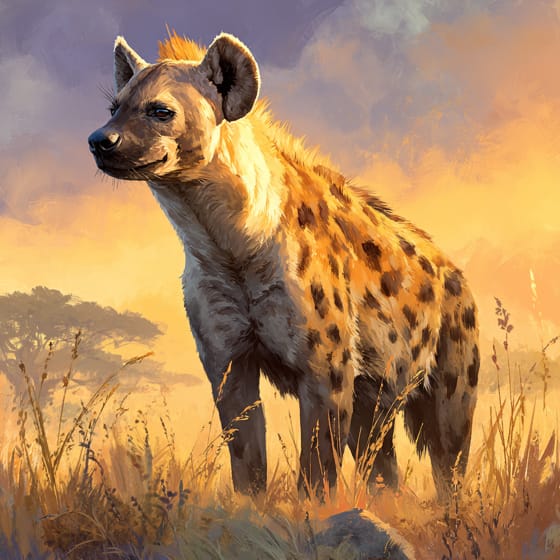
Crocuta crocuta
Hyenas frequently steal freshly caught cheetah prey.
Furry describes animals possessing a dense covering of soft hair or fur.
Marked with spots or patches of a different color.
This habitat trait denotes species native to savannas, which are grasslands with scattered trees, typically found in tropical or subtropical regions with distinct wet and dry seasons.
This trait identifies organisms whose diet consists entirely or primarily of animal tissue.

Diurnal animals are primarily active during daylight hours, typically resting or sleeping at night.

Describes a species whose presence and role have a disproportionately large effect on its environment.

This trait identifies organisms that exhibit exceptional swiftness in movement for hunting, escape, or travel.

Endangered status indicates a species is at a very high risk of extinction in the wild in the near future.
Danger
3/5 · Moderate
Cheetahs are wild animals and should be admired from a safe distance in nature.
The easiest way to identify Cheetahs is to use the Snappit nature identifier app.
112-150 cm
21-72 kg
10-12 years
120 km/h
Swift hunters, cheetahs eat small- to medium-sized mammals they chase down using incredible speed!
Savannas
Pursuit
Zoom in to split clusters and explore where this object has been snapped.
Recent snaps will appear here as new observations are added.
.jpg)
Municipal District of Cobh, IE
You might spot Ring-Tailed Lemur, Giraffes, and Cheetahs.
View guide →
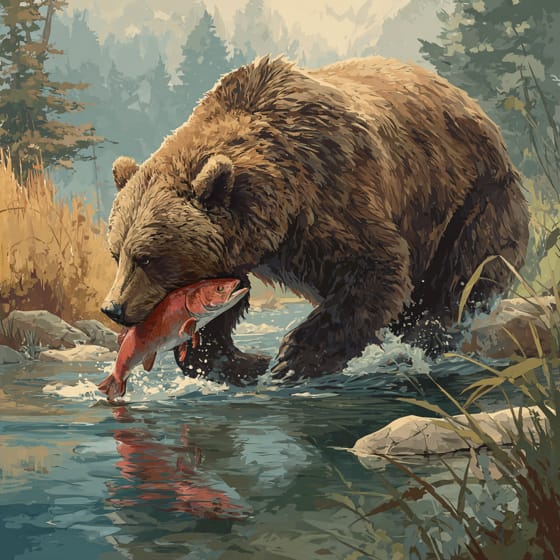
Tennessee, US
You might spot Grizzly Bear, Polar Bear, and African Elephant.
View guide →
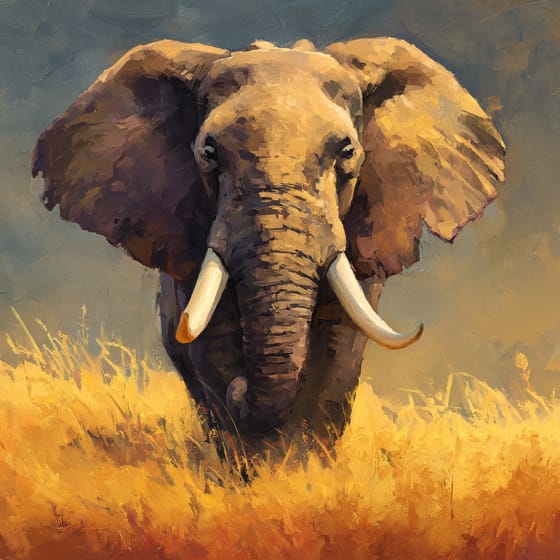
Rhode Island, US
You might spot African Elephant, Giraffes, and Snow Leopard.
View guide →

Ohio, US
You might spot African Elephant, Hippopotamus, and Polar Bear.
View guide →

Nouvelle-Aquitaine, FR
You might spot Greater Flamingo, Giraffes, and Red Panda.
View guide →

Florida, US
You might spot Giraffes, European Rhinoceros Beetle, and Zebra.
View guide →
Take the discovery with you
Snap it with Snappit to identify it, learn what makes it special, and add the discovery to your collection.





.jpg&width=800)


.JPG&width=800)



.jpg&width=800)
