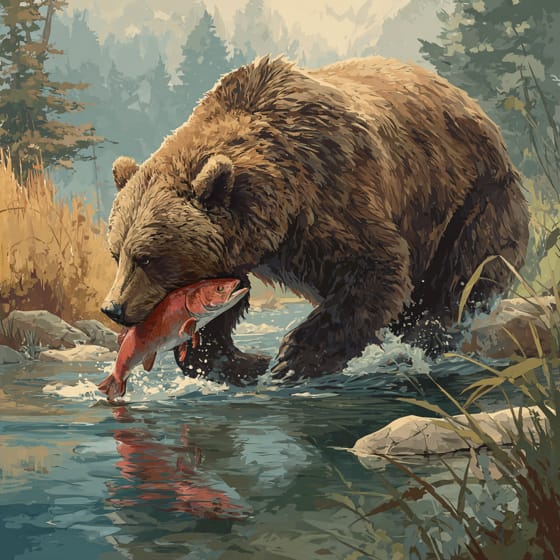
Grizzly Bear
Discover a remarkable wildlife haven at the Great Bend Zoo, where animals from around the world thrive.
Discover a remarkable wildlife haven at the Great Bend Zoo, where animals from around the world thrive. This cherished, free-admission zoo provides an intimate and engaging experience for visitors of all ages. Nestled within Brit Spaugh Park, the zoo boasts a diverse collection of over 60 species, ranging from majestic grizzly bears to exotic primates and a vibrant array of birds and reptiles. You can observe powerful grizzly bears in a naturalistic habitat, and get up close with North American bison. The renowned Raptor Center is a highlight, dedicated to the rehabilitation and education surrounding birds of prey like eagles and owls. The zoo's modern enclosures are designed to offer excellent viewing opportunities, ensuring that every visit is filled with memorable moments and fantastic photo opportunities. Beyond its impressive animal collection, the Great Bend Zoo emphasizes education and conservation. The welcoming staff are often available to share fascinating facts about the animals, enriching your understanding of wildlife. Whether you're marveling at the intricate patterns of a red-eyed crocodile skink, watching playful lemurs, or exploring the indoor reptile and amphibian exhibits, the zoo provides a captivating journey through the animal kingdom. It's a place where you can connect with nature, learn about conservation efforts, and enjoy a pleasant outing in a clean and well-maintained environment. The dedication to animal welfare and visitor experience makes the Great Bend Zoo a true gem in the heart of Kansas, offering a rewarding experience without an admission fee. Turn your visit into a safari! Use the Snappit app to scan and log wildlife sightings here.
The Great Bend Zoo, formally known as the Great Bend-Brit Spaugh Zoo, traces its origins back to 1953, founded through the vision of Brit Spaugh, the city's first director of public lands. Initially named City Park, the establishment of the zoo faced some local resistance, particularly regarding the conversion of a baseball field for animal enclosures. Despite initial skepticism, Spaugh's dream prevailed, establishing a free zoo for the community. Early inhabitants included two black bears donated by the Montana Fish and Game Commission in 1953. The zoo soon expanded its collection, importing its first international animals in 1958 with the arrival of aoudads (Barbary Sheep) from North Africa. By 1959, four spider monkeys had made their home on "Monkey Island". A significant achievement came in 1965 when six rare Trumpeter Swan cygnets hatched at the zoo, a feat noted by the U.S. Department of the Interior as the first recorded captive breeding of the species in 100 years. The zoo was officially renamed Brit Spaugh Park in 1965 in honor of its founder. Over the decades, the zoo has undergone modernization, replacing old cages with more naturalistic enclosures, including a renovated space for grizzly bears in 2018.
Stroll through the grounds and observe a diverse collection of mammals, birds, and reptiles. Spend time at the Raptor Center to learn about bird rehabilitation and see smaller creatures. Visit the Butterfly House for a colorful experience. Take advantage of the photo opportunities at the well-designed animal enclosures. Engage with staff who can provide interesting facts about the animals.
Warm Weather: Animals may be less active during the hottest parts of the day. Mornings and evenings are ideal. Cold Weather: While outdoor animals might be less active or moved indoors, the Raptor Center's indoor exhibits provide a warm space to see many smaller animals. Special Events: The zoo occasionally hosts unique evening events like "Wild About Wellness" which can offer different ways to experience the venue.
The Great Bend Zoo is highly accessible, featuring accessible parking, restrooms, and trails. Wheelchairs and mobility scooters are available for rent for a small fee, ensuring a comfortable visit for guests with limited mobility or parents with strollers.
A unique facility focusing on the treatment and rehabilitation of injured birds of prey like eagles and owls, also housing a variety of reptiles, amphibians, and invertebrates.
A modern, naturalistic enclosure with a stream, pools, and an artificial cave, providing close-up views of these powerful animals.
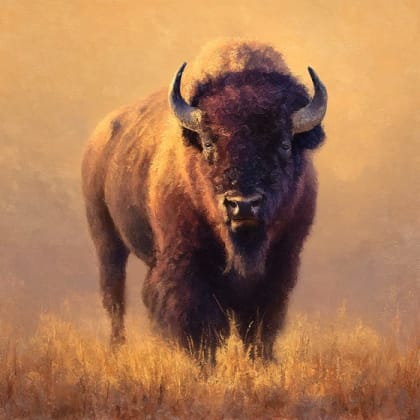
Observe these iconic large mammals in their expansive habitat.
A pleasant spot to see various butterfly species.
Each card links to a full Explore page with photos, traits, and fun facts.
Start with the big picture, then zoom in to explore individual wildlife observations around this place.
Arrive early
Animals tend to be more active in the mornings, especially during warmer months, offering better viewing opportunities.
Wear comfortable shoes
The zoo grounds are extensive, and you'll want to be comfortable exploring all the exhibits.
Bring your camera
Many enclosures offer excellent vantage points for photography, especially the grizzly bear and raptor exhibits.
No outside food for animals
Feeding the animals is strictly prohibited to ensure their health and well-being.
Respect barriers and rules
For the safety of both visitors and animals, always stay behind barriers and follow all posted zoo rules, including not picking plants or disturbing wildlife.
Check for special events
The zoo occasionally hosts educational programs, keeper chats, or unique evening events that can enhance your visit.
Recent snaps will appear here as new observations are added.

Michigan, US
You might spot African Lion, Komodo Dragon, and Brown Bear.
View guide →
.jpg)
Municipal District of Cobh, IE
You might spot Ring-Tailed Lemur, Giraffes, and Cheetahs.
View guide →

Nouvelle-Aquitaine, FR
You might spot Greater Flamingo, Giraffes, and Red Panda.
View guide →

Texas, US
You might spot Giraffes, African Lion, and Eastern Black Rhinoceros.
View guide →