




Tiger
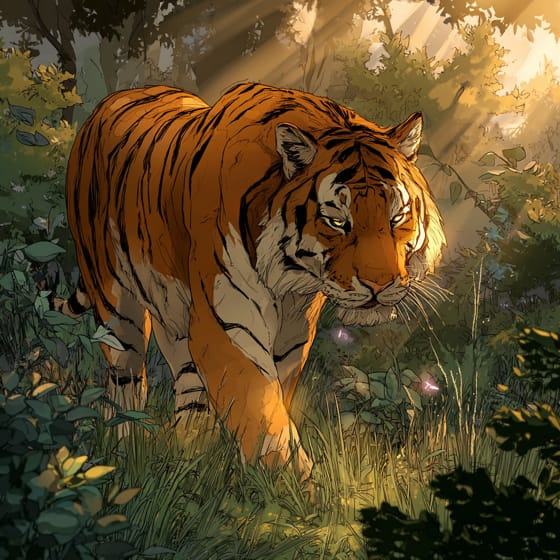
The Greenville Wildlife Park, a small roadside zoo in Greenville, New Hampshire, operated for a brief period from 1998 to 2003.
The Greenville Wildlife Park, a small roadside zoo in Greenville, New Hampshire, operated for a brief period from 1998 to 2003. Founded by Glen and Kathy Eldridge on an 81-acre property, it aimed to provide visitors with hands-on educational experiences and close-up views of exotic animals. The park housed a diverse collection, including large carnivores like Siberian tigers, lions, leopards, and black bears, as well as hyenas, a camel, a kangaroo, and an alligator pool. Despite initial popularity, the park faced significant challenges, including persistent financial difficulties, reduced attendance, the passing of co-founder Glen Eldridge, and a history of U.S. Department of Agriculture citations for Animal Welfare Act violations. It ultimately closed in September 2003, and the site has since reverted to private use. Planning to visit? Download the Snappit app to identify the wildlife you spot in real-time.
The Greenville Wildlife Park was founded in 1998 by Glen and Kathy Eldridge, emerging from their growing private collection of exotic animals, which had outgrown their previous "Furry Friends Zoo" on their property in Lyndeborough, New Hampshire. They established the park as a nonprofit organization on an 81-acre site on Blanch Farm Road in Greenville, New Hampshire, repurposing land that had been intended for a condominium development. The Eldridges converted three existing buildings on the property for park use: one as their residence, another as a planned reptile house, and a third for educational lectures. The park operated for five years, closing its doors in September 2003. Its closure was attributed to mounting financial difficulties, significantly impacted by unseasonably rainy weather in 2003 that deterred visitors, and the unexpected death of co-founder Glen Eldridge in May 2003. During its operation, the park faced scrutiny and received multiple U.S. Department of Agriculture citations for violations of the Animal Welfare Act, including issues related to animal care and enrichment. Following its closure, the animals were relocated, with some, like the chimpanzees Arthur and Phoenix, being sent to sanctuaries after welfare concerns led to legal intervention.
Explore designated paths, view exotic animals in semi-natural enclosures, engage in educational programming, and experience close interactions with some animals.
The park typically operated daily from 10 a.m. to 6 p.m. throughout October and on weekends in November. This suggests peak visitation might have been in the fall.
Specific accessibility features are not detailed in available records; given its nature as a small, privately developed park, it likely had basic facilities.
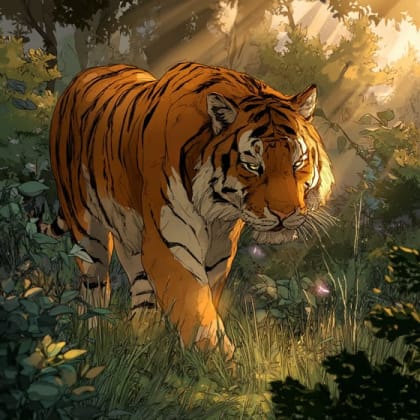
Siberian tigers (including a rare white tiger and a golden tabby cub)
Lions (Garth and Eileen)
Leopards
Black bears
Each card links to a full Explore page with photos, traits, and fun facts.
Start with the big picture, then zoom in to explore individual wildlife observations around this place.
Understand its history
Recognize that the park was a smaller, family-run operation that aimed for close animal interactions, rather than a large, modern zoological institution.
Research animal welfare context
Be aware that the park faced animal welfare concerns during its operation, leading to the relocation of some animals.
Note the specific animals
The park was home to some impressive animals like white tigers and timberwolves, which were key attractions.
Consider its educational focus
The park aimed to provide educational experiences, and its planned education center was a core component.
Acknowledge its legacy
Though short-lived, it represented a local effort to bring exotic wildlife to New Hampshire, albeit with challenges.
Recent snaps will appear here as new observations are added.

Michigan, US
You might spot African Lion, Komodo Dragon, and Brown Bear.
View guide →
.jpg)
Municipal District of Cobh, IE
You might spot Ring-Tailed Lemur, Giraffes, and Cheetahs.
View guide →

Nouvelle-Aquitaine, FR
You might spot Greater Flamingo, Giraffes, and Red Panda.
View guide →

Texas, US
You might spot Giraffes, African Lion, and Eastern Black Rhinoceros.
View guide →