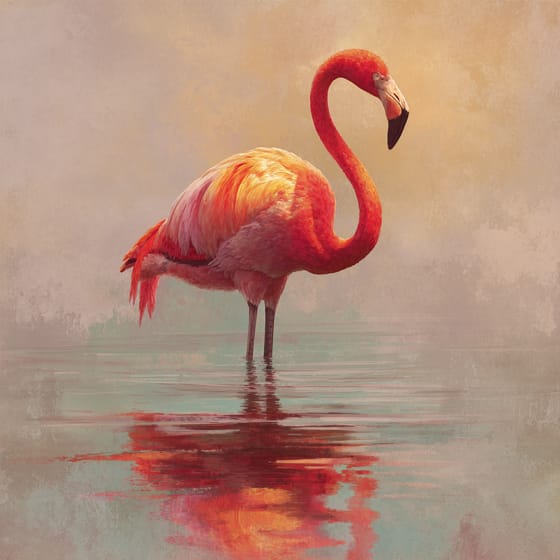
American Flamingo
The Key West Butterfly and Nature Conservatory is a magical oasis where hundreds of butterflies flutter freely.
The Key West Butterfly and Nature Conservatory is a magical oasis where hundreds of butterflies flutter freely. This climate-controlled, glass-enclosed habitat invites visitors to immerse themselves in a vibrant tropical world. Located on Duval Street, it offers a peaceful escape amidst lush flowering plants, cascading waterfalls, and a fascinating array of winged creatures and exotic birds.
Inside the conservatory, over 50 to 60 species of butterflies from around the globe dance among tropical foliage, often landing gently on visitors. Beyond the myriad butterflies, guests will encounter a diverse collection of "butterfly friendly" birds, including the famous American Flamingos, Rhett and Scarlett, as well as Red-factor Canaries, Zebra Finches, Cordon-Bleu Finches, and tiny "Button" or Chinese Painted Quail. The environment is meticulously crafted with an impressive collection of flowering plants and trees that provide both beauty and sustenance for its inhabitants.
A visit here is an unforgettable journey that engages all senses, making it a beloved attraction in Key West. It's an opportunity to witness the delicate beauty of nature up close, learn about the intricate life cycle of butterflies, and find tranquility in a bustling city. The combination of abundant wildlife, educational exhibits, and serene surroundings creates a memorable experience for all ages. Planning to visit? Download the Snappit app to identify the wildlife you spot in real-time.
The Key West Butterfly and Nature Conservatory traces its origins to the passion of Sam Trophia, who developed a love for butterflies from a young age. By 15, he was already raising Monarch butterflies in New York. Trophia later contributed to research on Monarch migration patterns before opening The Butterfly Gallery in 1992, which showcased preserved butterflies. In 2003, Trophia partnered with George Fernandez to expand this concept, leading to the grand opening of the Key West Butterfly and Nature Conservatory. This transformation created the live butterfly habitat cherished today, evolving from a display to a comprehensive educational and immersive experience that has been a popular attraction for over two decades.
Walk slowly through the habitat, observing butterflies and exotic birds like American Flamingos (Rhett and Scarlett) and various finches. Look for butterflies feeding on flowers or fruit trays. Explore the Learning Center to deepen your understanding of these insects and their metamorphosis. Visit the Art Gallery for unique butterfly-themed artwork and the gift shop for souvenirs.
Key West's tropical climate means the conservatory is warm and humid year-round, reflecting a natural rainforest environment.
The facility is completely enclosed and wheelchair accessible, with simple paths throughout the conservatory. Stroller parking is available, and well-behaved pets are welcome in the Gift Shop and Gallery but not inside the conservatory itself.
The main highlight is the glass-enclosed, climate-controlled conservatory itself, where butterflies and birds fly freely amidst tropical flora, cascading waterfalls, and a babbling brook. Don't miss the Learning Center, which features a 15-minute film on butterfly life cycles, anatomy, and the Monarch migration, along with live caterpillars. The "Wings of Imagination" Art Gallery showcases unique butterfly art by Sam Trophia.
Each card links to a full Explore page with photos, traits, and fun facts.
Start with the big picture, then zoom in to explore individual wildlife observations around this place.
Go early
Butterflies tend to be more active in the morning when the sun comes out. Also, parking can get busy later in the day.
Start at the Learning Center
Begin your visit by watching the 15-minute film and exploring the exhibits in the Learning Center to enhance your understanding of butterfly anatomy and life cycles before entering the main conservatory.
Walk slowly and watch your step
Butterflies often rest on paths, and you'll need to be mindful of where you step to avoid harming them.
Wear bright colors
Butterflies are attracted to bright colors, increasing the chance of one landing on you for a unique photo opportunity.
Check for hitchhikers
Before exiting, check your clothes and bags to ensure no butterflies are accidentally leaving with you.
Stay hydrated
The conservatory is a climate-controlled tropical environment, meaning it can be quite humid inside.
Apr 17, 2026
Feb 11, 2026
Jan 16, 2026
Jan 16, 2026
Sep 27, 2025

Michigan, US
You might spot African Lion, Komodo Dragon, and Brown Bear.
View guide →
.jpg)
Municipal District of Cobh, IE
You might spot Ring-Tailed Lemur, Giraffes, and Cheetahs.
View guide →

Nouvelle-Aquitaine, FR
You might spot Greater Flamingo, Giraffes, and Red Panda.
View guide →

Texas, US
You might spot Giraffes, African Lion, and Eastern Black Rhinoceros.
View guide →
Take the discovery with you
Identify the wildlife you spot, learn as you go, and keep a collection of the adventure.
















.jpg&width=800)