.jpg&width=800)





Redvein Abutilon
Callianthe picta
The Redvein Abutilon is a beautiful flower with bright red veins on its petals. It loves to grow in warm places and adds a splash of color to gardens and parks.
Habitat: Urban areas
The Redvein Abutilon has striking bell-shaped flowers, hanging downwards like lanterns. Its delicate petals are usually yellow to orange, intricately marked with prominent, dark red veins. The leaves are typically bright green, often heart-shaped or lobed.
Category
PlantsRarity
Common
Danger
1/5 · Very low
Snaps
3
Its lantern-like flowers gently sway in the breeze, like tiny dancers!
Some people believe these bell-shaped flowers bring good luck to their gardens!
The plant's scientific name Callianthe means "beautiful flower" in Greek!
You can watch hummingbirds dart around, sipping nectar from its colorful blooms!
Redvein Abutilon has bright, pendulous flowers with prominent red veins that act like runway lights for pollinators, guiding them to its sweet nectar.
Redvein Abutilon can produce flowers almost non-stop in ideal warm conditions, greatly increasing its chances to attract pollinators and make seeds.
Redvein Abutilon can produce many seeds that easily drop and sprout, helping new plants grow and spread in its favorite places.
Apis mellifera
collects nectar and pollen
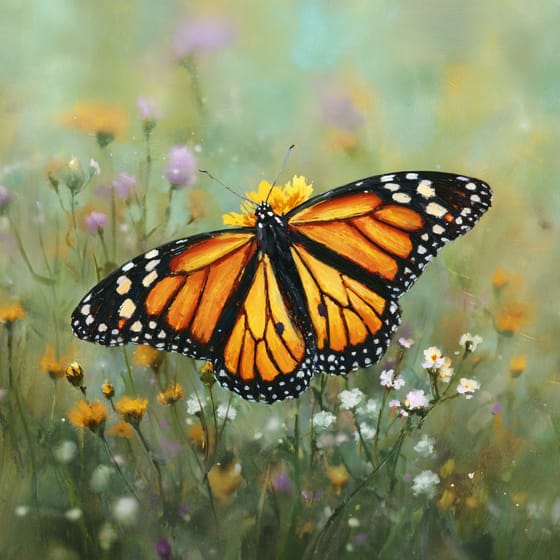
Danaus plexippus
attracted to vibrant flowers

Archilochus colubris
feeds on abundant nectar
Bell-shaped flowers possess petals fused or arranged to form a cup-like or campanulate structure resembling a bell.
Flowering plants are any plants that produce flowers as part of their reproductive cycle.
A shrub is a woody plant smaller than a tree, typically with multiple stems branching from or near the ground.
Summer blooming plants produce their flowers during the summer season, often providing vibrant color when many other plants have finished.

Fragrant flowers emit a pleasant aroma, often to attract pollinators or for defense.

Colorful describes organisms or objects displaying a wide range of bright and distinct colors.

Describes plants that are particularly attractive and beneficial to a wide range of pollinating organisms.

This habitat trait indicates species that can coexist with humans in urban and suburban environments, utilizing man-made structures and green spaces.
Danger
1/5 · Very low
Always look but don't touch flowers without asking an adult.
The easiest way to identify Redvein Abutilon is to use the Snappit nature identifier app.
100-300 cm
60-150 cm
3-5 cm
Year-round in warm climates; spring to fall elsewhere
No
None
Perennial
Zoom in to split clusters and explore where this object has been snapped.
Take the discovery with you
Snap it with Snappit to identify it, learn what makes it special, and add the discovery to your collection.








.jpg&width=800)


_001.jpg&width=800)




