




Rook
Corvus frugilegus
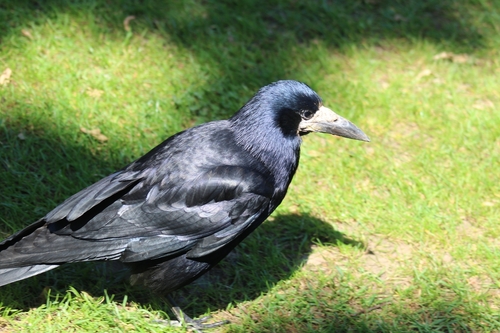
Rooks are clever birds with shiny black feathers and a distinctive ragged-looking throat. They are known for their playful nature and can often be seen in groups, making lots of noise while they play and search for food.
Habitat: Urban areas, Grasslands
The Rook is a glossy black bird with a distinctive purple-blue sheen to its feathers. Adults have a unique pale, bare patch of skin at the base of their beak, making them different from similar crows. They also have shaggy feathers around their legs.
Category
BirdsRarity
Common
Danger
1/5 · Very low
Snaps
21
Huge flocks of Rooks gathering are called a 'parliament'!
Rook parents reuse their nests year after year, adding to them!
Rooks can drop nuts from high up to smash them open!
They sometimes steal shiny objects and hide them in their nests!
Rook can use sticks as tools because of their clever minds, helping them extract food from tight spots.
Rook has excellent problem-solving skills that help them figure out complex ways to access hidden food.
Rook can recognize individual human faces that helps them remember who is kind or a threat.
Rook can learn new behaviors by watching others because of their social intelligence, helping them adapt.
Rooks are omnivores that eat insects, seeds, worms, and even some small animals.
Age differences: Young chicks are fed insects; adults have a broader diet.
Lumbricus terrestris
Primary food source, dug from soil.
Triticum aestivum
Feeds on grains from agricultural fields.
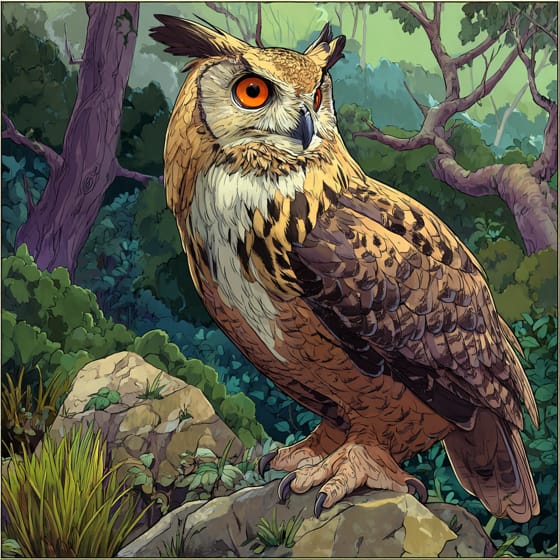
Bubo bubo
Adult Rooks are sometimes hunted by this large owl.
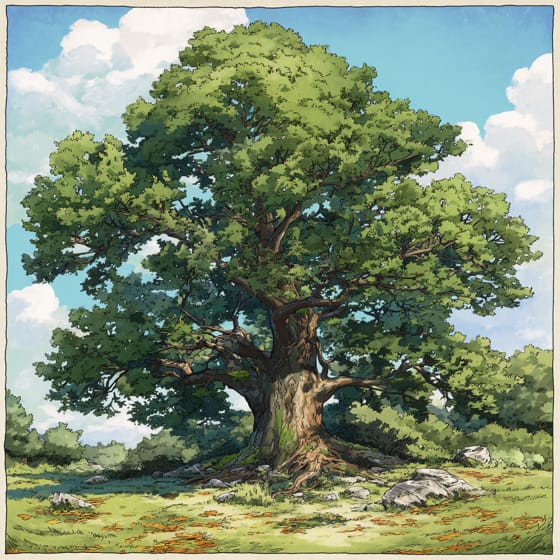
Quercus robur
Often builds large nests high in branches of oak trees.
Feathered describes animals, primarily birds, possessing a covering of feathers.
Social animals live in organized groups, cooperating for survival benefits such as foraging, defense, and raising offspring.
This trait identifies organisms whose diet includes both plant and animal matter.
Scavengers consume dead organic matter, helping to decompose carcasses and other waste in the ecosystem.

Grassland habitats are terrestrial biomes dominated by grasses and herbaceous plants, supporting a variety of grazing animals.

This trait describes organisms that manipulate external objects to achieve a specific goal.

Diurnal animals are primarily active during daylight hours, typically resting or sleeping at night.

This habitat trait indicates species that can coexist with humans in urban and suburban environments, utilizing man-made structures and green spaces.
Danger
1/5 · Very low
Rooks are usually friendly, but it's best to watch them from a distance.
The easiest way to identify Rook is to use the Snappit nature identifier app.
45-47 cm
81-99 cm
0.35-0.55 kg
15-20 years
60 km/h
Rooks are omnivores that eat insects, seeds, worms, and even some small animals.
Urban areas, Grasslands
Zoom in to split clusters and explore where this object has been snapped.
May 25, 2026
Fota Wildlife ParkPhoto attribution
(c) Tammy, some rights reserved (CC BY)
License: CC BY 4.0 ↗
Image may be shown cropped inside the card frame.

England, UK
You might spot African Elephant, Bornean Orangutan, and Tiger.
View guide →
.jpg)
Municipal District of Cobh, IE
You might spot Ring-Tailed Lemur, Giraffes, and Cheetahs.
View guide →

Masovian Voivodeship, PL
You might spot African Elephant, Sand Tiger Shark, and Gorilla.
View guide →

Florida, US
You might spot American Flamingo and Owl Butterfly.
View guide →

South Moravian Region, CZ
You might spot Polar Bear, Tiger, and Equus Ferus Przewalskii.
View guide →
Take the discovery with you
Snap it with Snappit to identify it, learn what makes it special, and add the discovery to your collection.






.jpg&width=800)









