





Zebra Longwing
Heliconius charithonia
The Zebra Longwing is a beautiful butterfly with black and yellow stripes. It flutters around gardens and forests, sipping nectar from flowers. These butterflies are fun to watch as they dance in the air!
Habitat: Forests
The Zebra Longwing has long, narrow black wings covered with bright yellow stripes and small spots. Its slender body is also black, making its distinct pattern stand out against green foliage. This striking appearance makes it easily recognizable.
Category
InsectsRarity
Common
Danger
1/5 · Very low
Snaps
19
Male Zebra Longwings have a special scent that helps them find their mates.
Their caterpillars are spiky and white, looking totally different from the adult butterfly!
Zebra Longwings "sleep" together in groups every night on the same branches!
Zebra Longwings can fly year-round in warm climates, unlike many other butterflies!
Zebra Longwing can digest pollen because it provides extra nutrients for a super long life.
Zebra Longwing can roost in large groups at night, which helps them stay safe and warm.
These butterflies sip nectar and even eat pollen to fuel their long lives!
Age differences: Larvae feed on passion flower leaves, while adults drink nectar and pollen.

Passiflora incarnata
Provides food for caterpillars and egg-laying sites.
Psiguria mexicana
Adults collect pollen and nectar, helping the plant reproduce.
Anolis carolinensis
These small lizards may attempt to prey on the butterflies.
Marked with parallel bands or lines of color.
Social animals live in organized groups, cooperating for survival benefits such as foraging, defense, and raising offspring.
Colorful describes organisms or objects displaying a wide range of bright and distinct colors.
This trait characterizes organisms whose diet consists entirely or primarily of plant material.

Describes plants that are particularly attractive and beneficial to a wide range of pollinating organisms.

Forest habitats are terrestrial environments dominated by dense tree cover, supporting a high diversity of plant and animal life.

This trait characterizes organisms with an exceptionally long lifespan compared to others of their kind.

Diurnal animals are primarily active during daylight hours, typically resting or sleeping at night.

Describes organisms that transfer pollen, enabling the fertilization and reproduction of plants.
Danger
1/5 · Very low
Butterflies are gentle and safe to watch, but don't try to catch them!
The easiest way to identify Zebra Longwing is to use the Snappit nature identifier app.
70-100 mm
30-40 mm
30-180 days
5 km/h
These butterflies sip nectar and even eat pollen to fuel their long lives!
Forests
Foraging
Zoom in to split clusters and explore where this object has been snapped.

Florida, US
You might spot Atala, Monarch, and Brown Anole.
View guide →

Florida, US
You might spot Brown Anole, White Ibis, and Anhinga.
View guide →

Florida, US
You might spot Giraffes, European Rhinoceros Beetle, and Zebra.
View guide →

Florida, US
You might spot Green Iguana, Brown Basilisk, and Great Blue Heron.
View guide →

South Carolina, US
You might spot American Alligator, Anole, and Wood Duck.
View guide →
Florida, US
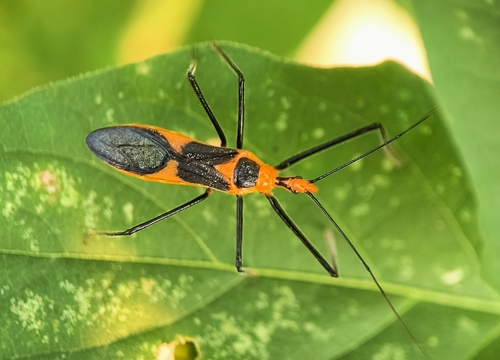
You might spot Milkweed Assassin Bug, Green Iguana, and White Beggarticks.
View guide →
Take the discovery with you
Snap it with Snappit to identify it, learn what makes it special, and add the discovery to your collection.







.jpg&width=800)


