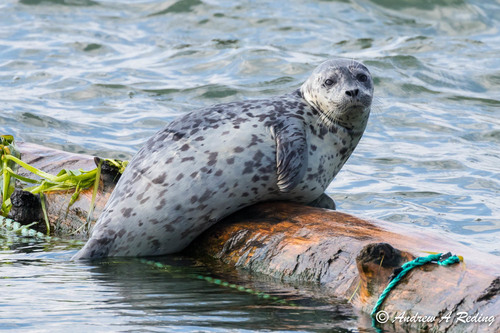
Harbor Seal
Sabine Channel Provincial Park, located in British Columbia, Canada, offers an untouched marine wilderness experience nestled between Texada and Lasqueti Islands.
Sabine Channel Provincial Park, located in British Columbia, Canada, offers an untouched marine wilderness experience nestled between Texada and Lasqueti Islands. This captivating marine park encompasses the entirety of Jervis and Bunny Islands, forming a vital part of a vibrant chain of over 30 islands and rocky islets within the Strait of Georgia. It stands out as a serene escape, characterized by lush forest ecosystems, dramatic rocky cliffs, and an exceptionally rich marine environment, making it a premier destination for those seeking an authentic connection with nature. The park's primary role is to protect these small island ecosystems, which contribute significantly to the Coastal Douglas-fir biogeoclimatic zone, an underrepresented and highly impacted ecosystem.
Visitors to Sabine Channel Provincial Park are invited to explore a diverse landscape that seamlessly blends terrestrial and aquatic wonders. While there are no designated trails, the islands offer opportunities for wilderness hiking through regenerating forests where one might spot species like Evergreen Huckleberry, Oregon grape, and Ocean spray, alongside various alums, woodrushes, and honeysuckle. The park's shorelines, with their rocky cliffs and outcrops, are ideal for observing marine birds such as the Black Turnstone, Black Oystercatcher, and Surfbird, or even spotting a Harbor Seal basking on the rocks. Underwater, the rich marine environment is a haven for scuba divers, revealing creatures like the Giant Nudibranch and the bladder wrack seaweed, contributing to its reputation as a haven for nature enthusiasts and kayakers.
This park truly is a hidden gem for those yearning for a remote ocean-based experience, yet still within a reasonable reach of major population centers. Its natural setting and sense of remoteness create an unforgettable adventure, whether you're paddling through tranquil waters, delving into the vibrant underwater world, or simply appreciating the untouched beauty of coastal British Columbia. With opportunities for wilderness camping under a canopy of stars and a chance to observe a remarkable array of flora and fauna, Sabine Channel Provincial Park promises a memorable escape into a wild, wildlife-friendly landscape. Be ready to snap and learn! Get the Snappit app to identify any nature species you find here.
Sabine Channel Marine Provincial Park was officially established in 2001. Its formation aimed to protect the natural environment of small island ecosystems within the Strait of Georgia, particularly contributing to the preservation of the Coastal Douglas-fir biogeoclimatic zone, an area significantly impacted by human development and underrepresented in protected area systems. Although portions of Jervis Island have experienced historical logging, the island's ecosystems are regenerating, serving as an example of this important coastal zone's recovery.
Kayaking and Boating: Explore the tranquil Sabine Channel and the coastline of Jervis and Bunny Islands.
Wilderness Camping: Experience undeveloped camping on the islands.
Hiking: Discover the forest trails and rocky outcrops.
Nature Appreciation & Wildlife Viewing: Observe various plant species such as Evergreen Huckleberry and Oregon grape, and marine life.
Fishing: Permitted according to provincial and federal regulations, with awareness of Rockfish Conservation Areas.
Scuba Diving: Explore the rich underwater ecosystems.
The park is accessible in winter for experienced backcountry users, though conditions will be more challenging. Summer offers the best weather for paddling and exploring.
Access to Sabine Channel Provincial Park is exclusively by private boat. There are no facilities, designated campsites, paved trails, or specific wheelchair accessibility features.
The pristine Jervis and Bunny Islands, the rugged rocky cliffs, the dense forest ecosystems, and the vibrant marine environment. Keep an eye out for diverse birdlife like Black Oystercatchers along the shoreline and marine mammals such as Harbor Seals.
Each card links to a full Explore page with photos, traits, and fun facts.
Start with the big picture, then zoom in to explore individual wildlife observations around this place.
Practice Leave No Trace
As a wilderness park with no facilities, it is crucial to pack out everything you pack in and minimize your environmental impact.
Bring your own supplies
There is no potable water or other amenities available, so bring all necessary food, water, and gear for your visit, especially for overnight stays.
Be mindful of campfires
Fires are allowed below the high tide mark, but be extremely cautious, especially on windy days. Use existing fire rings if possible and never leave a fire unattended.
Check fishing regulations
If you plan to fish, be aware of current provincial and federal regulations, and note the presence of Rockfish Conservation Areas where fishing activities are limited.
Leash your pets
Pets and domestic animals must be on a leash at all times, and they are not permitted in beach areas. Dispose of their waste properly.
Respect wildlife
Maintain a safe distance from all wildlife and be particularly mindful of sensitive marine habitats.
Recent snaps will appear here as new observations are added.

Maryland, US
You might spot White-Tailed Deer and Eastern Gray Squirrel.
View guide →
.jpg)
District of Columbia, US
You might spot Eastern Gray Squirrel, Duck, and House Sparrow.
View guide →

Illinois, US
You might spot American Robin, Canada Goose, and House Sparrow.
View guide →

Virginia, US
You might spot Spotted Lanternfly and Northern Cardinal.
View guide →
Take the discovery with you
Identify the wildlife you spot, learn as you go, and keep a collection of the adventure.