Snappit logo
Snappit
Get App
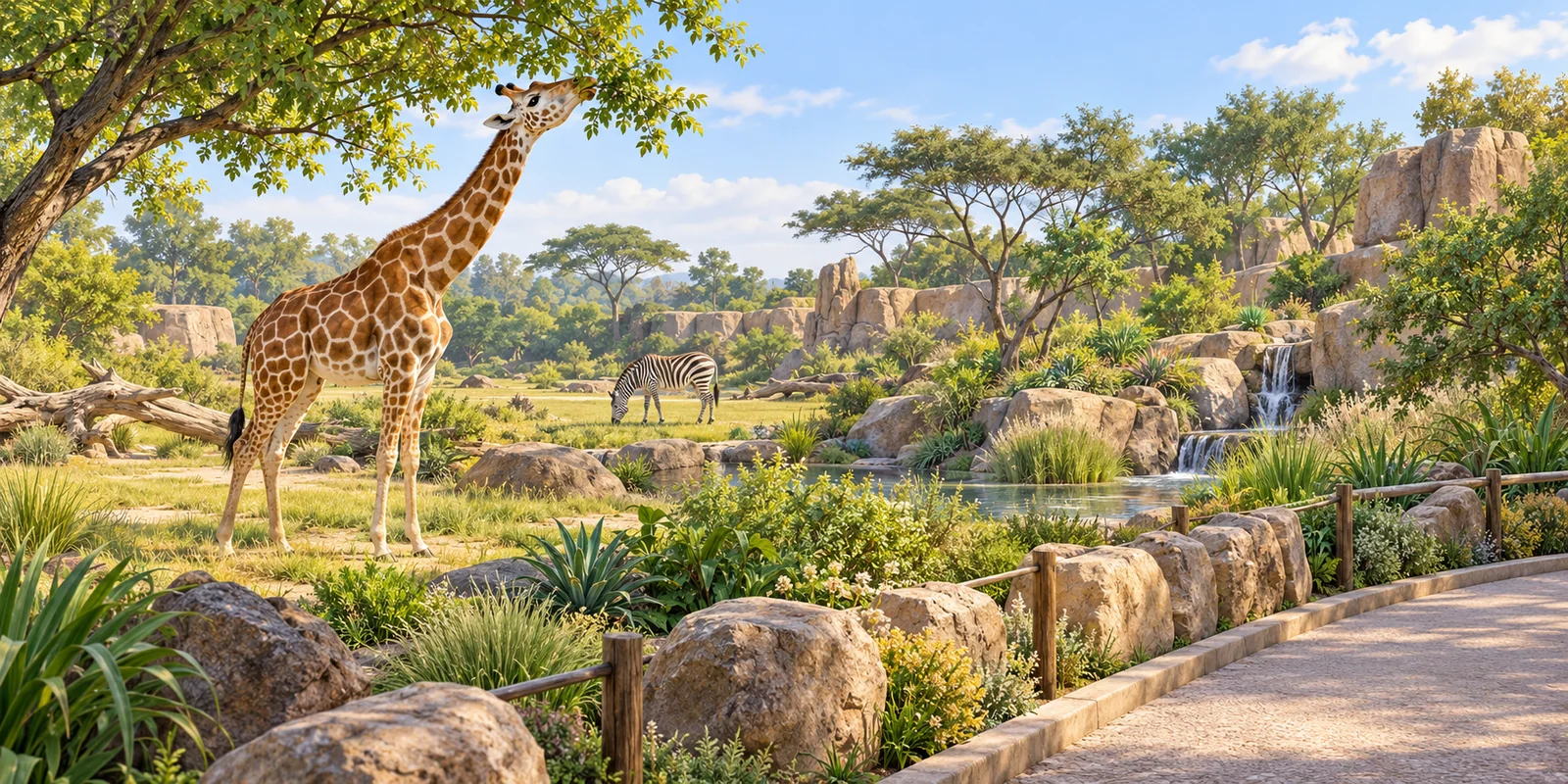
Generic illustration, not a photograph of this venueIllustration
ZooBayern, Germany

Tierpark Röhrensee Bayreuth

Come to Röhrensee for an easy family outing that combines animal-watching, a lakeside wander and proper time to play.

About

Come to Röhrensee for an easy family outing that combines animal-watching, a lakeside wander and proper time to play. Enclosures sit among the trees of an old public park, so you can pause by the water between animal stops. Entry is free throughout the year. Begin near Pottensteiner Straße and choose a few animals to look for, leaving the playground for whenever small legs need a change of activity.

Bennett's wallabies live near the restaurant, while the Chinese mountain-forest exhibit has a bamboo-screened viewing point for watching birds quietly. These are captive animals; the tufted ducks and moorhens using the lake are wild visitors. Planted trees and themed beds add another layer to the walk. The mix is the pleasure here: an interesting bird behind an enclosure fence, another on the open water, then a tree that makes you stop and look up.

Keep plans flexible around the bird exhibits and the South America area, where animal-health precautions and building work can affect what you see. Enhance your adventure: download the Snappit app to identify the local species you encounter.

The lake's name comes from wooden pipes stored wet here for Bayreuth's early water supply, keeping them from cracking before use. Two ponds were joined in 1891 to form today's lake. The animal enclosures followed in 1973, supported largely by donations from local businesses. That history helps explain the park's character: a public garden and everyday recreation space with an animal collection woven into it.

What to do here

Try the Asian duck aviary and the Chinese mountain-forest viewing point, then make time for the wallabies and the Australian bird aviary in the southern park. Its budgerigars share their space with cockatiels and diamond doves: pick one bird and see how long you can follow it through the flock. At the deer enclosure, the antler display gives children a concrete way to compare antlers and horns.

Beside the flamingo house, an old oak cross-section turns tree rings into a park-history puzzle. Nearby, look into the monk parakeets' aviary: wild cavies, introduced in 2026, are captive residents here too, with hiding places at ground level. Finish with climbing, sand play or the summer water-play area. If everyone still wants to walk, the Weg der Artenvielfalt continues towards the Ecological-Botanical Garden, with labelled European trees along the way; treat that as a separate extension.

Seasonal info

The park's February 2026 bird-flu notice says it remains open, but flamingos and some other birds must be housed indoors. Check current notices before making birds the focus of your visit. A June 2026 notice also announced partial construction closures in the South America enclosure; the last llama left that month. Water play and boat hire are seasonal, and boats depend on weather. In winter, never step onto the lake unless the city has explicitly opened the ice, and respect barriers protecting the crane island.

Accessibility

Disabled parking is available along Pottensteiner Straße and by the entrance beside the restaurant car park. The Kantstraße approach includes stairs. For a suitable wheelchair or pushchair entrance and current path conditions, contact the Stadtgartenamt on 0921 738016 before travelling. The public toilet between the restaurant and playground opens during the day; its accessible compartment requires a Euro key.

Don't miss

1

Bamboo bird lookout

A screened place to pause at the Chinese mountain-forest exhibit.

2

Wallabies and aviaries

Watch different ways of moving, feeding and resting.

3

Tree-ring history

An oak cross-section beside the flamingo house connects the park with its past.

4

Room to play

Climbing and sand play, with water play in summer.

Walks and routes

Animals, lake and playground

Choose lake and animal stops from the public park paths, adding playground time to suit your family. This is a flexible visit sequence, not a measured or waymarked trail.

Ask the Stadtgartenamt for an entrance and path choice suited to your mobility needs.

Weg der Artenvielfalt extension

Extend towards the Ecological-Botanical Garden along the tree-labelled connection by Studentenwald. Plan it separately from your animal-park visit.

Check the suitability of the longer connection for your group before setting off.

Weg der Artenvielfalt extension

Things to try

Follow a flock

At the Australian aviary, choose one budgerigar and watch how it moves among the other birds without disturbing them.

Read a tree’s timeline

At the oak cross-section beside the flamingo house, connect the rings and labels with changes in the park.

Wildlife and habitats

Watch the wallabies near the restaurant; allow quiet time rather than trying to make them move.

Pause at the bamboo-screened viewing point and compare the birds with the identification panel.

Follow one bird through the flock in the southern aviary; cockatiels and diamond doves share the exhibit.

Use the aviary panel to distinguish this captive duck from wild birds on the lake.

Look through the aviary at different heights: the parakeets share it with captive wild cavies below.

Compare the deer with the antler display. The park keeps the Dybowski subspecies of sika deer.

Treat outdoor viewing as uncertain: bird-flu precautions can keep the flamingos in their house.

Look from public lakeside paths for wild ducks on the open water; leave them space and do not feed them.

Watch the lake margins from the path, giving birds room to disappear into cover.

Use the living-fossils panel as an introduction to this planted tree, then look for it during your walk.

Getting there and practical advice

Playground, seasonal water play, weather-dependent boat hire and kiosk, restaurant and daytime public toilets.

Sources and useful links

Wildlife you might spot

10

Each card links to a full Explore page with photos, traits, and fun facts.

Snap map for this place

Start with the big picture, then zoom in to explore individual wildlife observations around this place.

Loading map…

Good to know before you go

Arrive by bus

From Bayreuth ZOH, use line 312 to Röhrensee or line 314 to Studiobühne, followed by about five minutes on foot. Check the current timetable.

Bring a snack

Kiosk opening depends on weather, and the restaurant has its own hours. Pack water and a change of clothes for water play.

Leave food in your bag

Feeding is prohibited for both enclosure animals and wild waterbirds.

Watch from the paths

Let animals retreat, keep children beside you at the water, and respect temporary barriers.

Dogs by the lake

Keep them on a lead near waterbirds. Do not touch sick or dead birds; report them to the city veterinary office.

Frequently asked questions

No. Public opening is on selected fair-weather Sundays from April to September. Check the current dates, as animal care can cause cancellations. Groups can ask about advance arrangements.
Keep the visit short, choose a few enclosures and return in better weather for play or boating. This is an outdoor outing; do not count on animal houses being visitor shelters.

Recent snaps at this place

Recent snaps will appear here as new observations are added.

View all ›

Take the discovery with you

Exploring Tierpark Röhrensee Bayreuth?

Identify the wildlife you spot, learn as you go, and keep a collection of the adventure.

  1. 1Spot it
  2. 2Snap it
  3. 3Keep the discovery