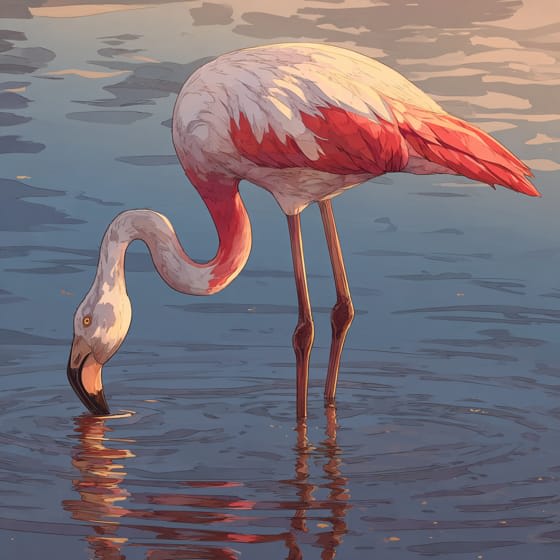





Greater Flamingo
Phoenicopterus roseus
The Greater Flamingo is the largest of all flamingo species. They are famous for their vibrant pink color and graceful stance.
Habitat: Salt flats and lagoons
The Greater Flamingo is the largest flamingo species, characterized by its pale pink to whitish plumage with bright pink wings and black primary and secondary flight feathers. It has incredibly long, slender pink legs and a distinctive large, downward-curved pale pink beak with a black tip.
Category
BirdsRarity
Common
Danger
2/5 · Low
Snaps
1
Flamingo chicks are born fluffy white; their famous pink color develops later from their diet!
Flamingos build tall, cone-shaped nests from mud, resembling mini volcanoes to protect their single egg.
They can drink boiling hot or extremely salty water because their bodies have adapted to harsh environments!
What look like backward knees on a flamingo are actually its ankles! Its real knees are hidden higher up.
Greater Flamingo can filter tiny food from water because its unique, bent beak works like a sieve.
Greater Flamingo has special glands that help them remove excess salt from their bodies, allowing them to thrive in salty lakes.
Greater Flamingo can stand on one leg to conserve body heat and reduce muscle fatigue, especially in cold water.
They filter tiny foods from water with their special beaks to get their vibrant pink color!
Age differences: Chicks are fed nutrient-rich 'crop milk' by their parents before learning to filter-feed themselves.
Artemia salina
Flamingos filter these tiny crustaceans from water.
Dunaliella salina
This algae provides pigments for their pink feathers.
Haliaeetus leucoryphus
Preys on flamingo eggs and young chicks.
Canis aureus
Can raid nests for eggs and snatch chicks.
Wildlife encompasses all undomesticated animal and plant life existing in their natural habitats.
Feathered describes animals, primarily birds, possessing a covering of feathers.
Social animals live in organized groups, cooperating for survival benefits such as foraging, defense, and raising offspring.
Filter feeders obtain nutrients by straining suspended food particles and small organisms from water.

Thermoregulating organisms maintain a stable internal body temperature despite fluctuations in the external environment.

This trait characterizes organisms with an exceptionally long lifespan compared to others of their kind.

Coastal habitats are dynamic environments located along the interface between land and sea, influenced by tides, waves, and saltwater.
Danger
2/5 · Low
Watch quietly from a distance and never try to feed or chase wild animals.
The easiest way to identify Greater Flamingo is to use the Snappit nature identifier app.
120-150 cm
140-170 cm
2-4 kg
30-50 years
60 km/h
They filter tiny foods from water with their special beaks to get their vibrant pink color!
Salt flats and lagoons
Zoom in to split clusters and explore where this object has been snapped.

Nouvelle-Aquitaine, FR
You might spot Greater Flamingo, Giraffes, and Red Panda.
View guide →
.jpg&width=800)
Texas, US
You might spot Reticulated Giraffe, Hippopotamus, and Asian Elephant.
View guide →

Normandy, FR
You might spot White Tiger, Giraffes, and White Rhinoceros.
View guide →

Andalusia, ES
You might spot African Elephant, Iberian Lynx, and Tiger.
View guide →
Florida, US
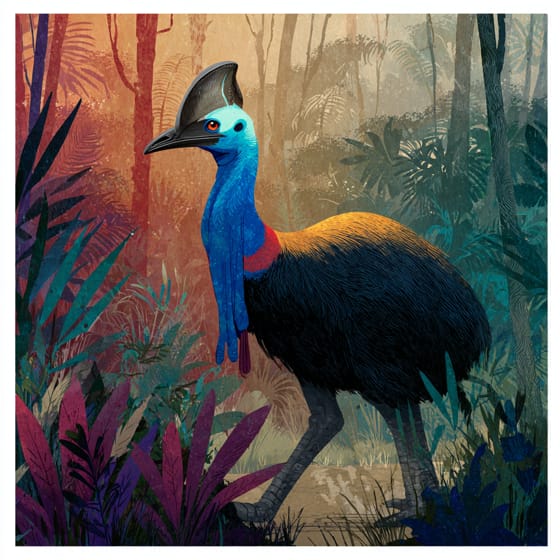
You might spot Southern Cassowary, Orangutans, and Delonix.
View guide →

Andalusia, ES
You might spot Yellow Rock Rose and Sage-Leaved Rock-Rose.
View guide →
Take the discovery with you
Snap it with Snappit to identify it, learn what makes it special, and add the discovery to your collection.




.jpg&width=800)










