Tokiwa Park is an easy place to make a family outing your own. There is a large lake to pause beside, planting that changes with the seasons and an unusually engaging botanical collection. Start with one main interest, then leave room for a slow wander. Trying to include the whole lake, the zoo, every flower garden and the rides can turn a relaxed morning into a long march.
For a first visit, make Tokiwa Museum's World Botanical Garden your anchor. Its eight geographic zones bring together plants associated with different parts of the world. The display moves from leafy tropical planting to striking trunks and cacti, with an olive tree in the Europe zone. These are cultivated collections: a chance to compare plant forms, rather than a sample of the vegetation growing wild around Ube.
Give children a small question to carry through the visit. Which tree has the widest-looking trunk? Which leaves are narrow, and which spread out like a hand? Look for the baobab in the Africa zone, then compare its outline with the olive. You can enjoy the contrasts without learning every name, and a quick sketch often makes a better souvenir than a hurried photograph of every label.
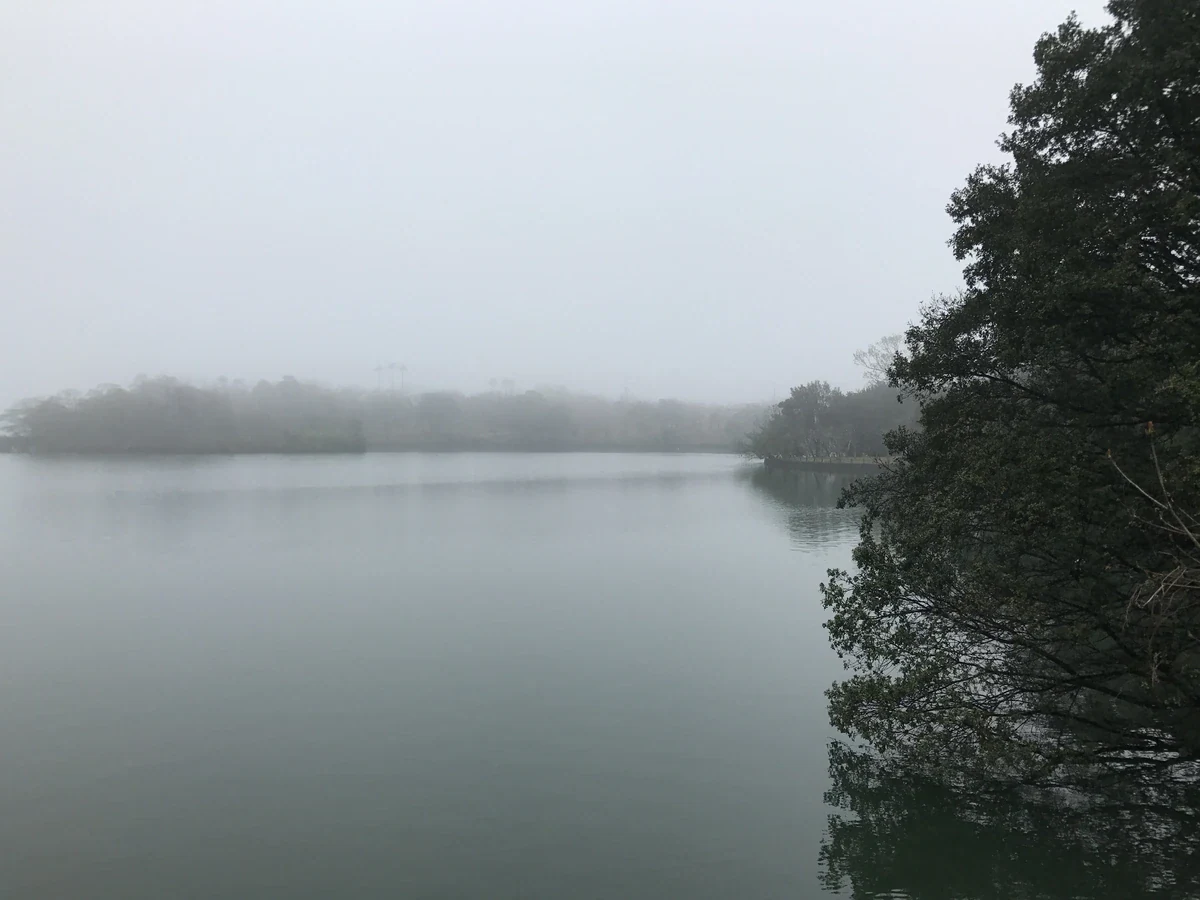
Outside, Sculpture Hill and the nearby lake views give everyone a change of pace. Watch the surface of the water, follow a reflection or sit down before choosing another path. The park's flower gardens provide a different focus in different months; the iris garden is especially worth considering around late May and June. A short out-and-back walk is perfectly worthwhile here.
Tokiwa Zoo is an optional, separately ticketed visit within the same park. Its habitat-style exhibits house animals in human care, including ring-tailed lemurs. Plan it as a separate part of your day, with time for breaks. For the gentlest introduction, choose the botanical collection and a little lakeside time, and save the zoo for another visit if energy runs low. Eager to name that creature? Identify any animal you find during your visit using the Snappit app.
Lake Tokiwa began as an irrigation reservoir. Work on its embankment started in 1695 and finished in 1698; associated water-supply works followed. The park opened in 1925 after local businesspeople acquired lakeside land and donated it to the city.
Later additions made it a place for both learning and leisure. A botanical garden and cactus center opened in 1960, and the first large outdoor sculpture exhibition followed in 1961. The museum was renewed in 2017. The mixture of water, planted landscapes, art and collections is the result of those successive layers.