Ant
Universal City Zoo was a pioneering attraction that offered a thrilling combination of animal exhibition and behind-the-scenes Hollywood magic.
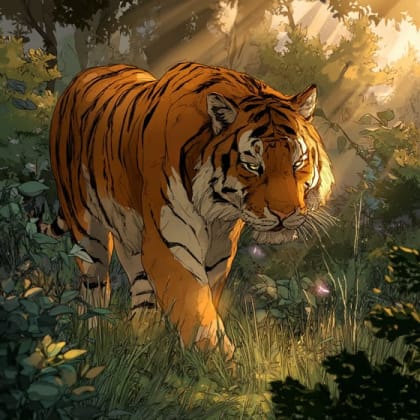
Universal City Zoo was a pioneering attraction that offered a thrilling combination of animal exhibition and behind-the-scenes Hollywood magic. Operating from approximately 1913 to 1930, it served as both a vital resource for Universal Pictures' silent films and a captivating draw for tourists visiting the nascent Universal City. Imagine a vibrant menagerie where the stars of the animal kingdom were also film actors, providing an unforgettable experience for early 20th-century visitors. Guests to Universal City Zoo would have encountered a diverse collection of creatures, from majestic big cats like lions and tigers to performing elephants and playful primates, many of whom were being trained or prepared for their cinematic roles. The zoo was not merely a static display; it was a dynamic environment where the public could observe these animals, offering a rare glimpse into the practicalities of filmmaking with live animals. This unique blend of a working animal facility and public exhibition made it a standout attraction in its era, shaping the early identity of Universal City as a hub of entertainment and innovation. The venue truly exemplified the audacious spirit of early Hollywood, where Carl Laemmle's vision extended to creating a complete filmmaking ecosystem that included a dedicated animal collection. It highlighted the fascinating intersection of wildlife and the burgeoning film industry, allowing visitors to connect with the very animals that brought adventure and drama to the silent screen. Though it closed its doors when the advent of "talkies" rendered its model unsustainable, the Universal City Zoo remains a significant chapter in the history of both zoos and cinema. Planning to visit? Download the Snappit app to identify the wildlife you spot in real-time.
The Universal City Zoo was an early and integral part of Carl Laemmle's ambitious Universal City project, which officially opened in 1915. Laemmle, a German-American film producer and co-founder of Universal Pictures, established the zoo to supply animals for the studio's silent-era adventure films, circus pictures, and animal comedies. The collection started modestly, reportedly with a petting zoo of domestic animals like goats, sheep, a pig, and horses at the Universal Oak Crest ranch zoo, before rapidly expanding to include a menagerie of wild animals. By 1915, it was recognized as the largest privately-owned menagerie in the USA. The zoo grew to house elephants, lions, tigers, leopards, pumas, jaguars, bears, monkeys, and orangutans, many of which became famous animal actors. Notably, the elephant Charlie starred in numerous silent films from approximately 1914 until his controversial euthanasia in 1923 following an attack on his trainer. However, the transition to synchronized sound ("talkies") in cinema posed significant challenges for the zoo's operations, as the noise generated by animals complicated filming. Combined with rising maintenance costs, this led to the zoo's closure around 1930. Many of its animals were auctioned off to other zoos, circuses, and private owners, marking the end of a unique chapter in Hollywood's animal acting history.
Visitors could stroll along "white walks" past various animal cages and enclosures, getting an up-close look at exotic wildlife. A unique aspect was the chance to witness animals being trained or even filmed for Universal Pictures productions. It was an opportunity to combine an educational animal experience with the thrill of early Hollywood movie-making.
Southern California generally boasts sunny and temperate weather, making any season suitable for a visit during the zoo's operating period. Animal activity would have been consistent, as these were captive animals used for filming. No specific seasonal events were documented beyond the regular studio tours.
Given the era (early 20th century), modern accessibility features like wheelchair ramps or paved, even trails would not have been standard. Visitors would have navigated the grounds, which featured "white walks", likely on foot and should expect uneven terrain common for a large, outdoor facility of that period.
Observing the diverse collection of animals, many of whom were actual film stars.
Key animals included elephants like Charlie and Minnie, a variety of big cats (lions, tigers, leopards), and primates such as monkeys and orangutans.
The zoo also featured domestic animals in its early days, reminiscent of a petting zoo.
A large, wire-enclosed bird house was noted to contain "everything from canary-birds to a huge elephant" (though an elephant in a birdhouse is likely hyperbole, it highlights the perceived scale of the bird collection).
Each card links to a full Explore page with photos, traits, and fun facts.
Start with the big picture, then zoom in to explore individual wildlife observations around this place.
Explore Historical Archives
Delve into the archives of Universal Pictures or local historical societies for rare photographs and documents related to the zoo.
Watch Silent Films
Seek out silent films produced by Universal Pictures from 1913-1930 to potentially spot the animal actors from the zoo.
Visit Universal Studios Hollywood
While the original zoo is gone, the current Universal Studios Hollywood still celebrates its cinematic heritage, offering a modern perspective on film production (though not directly linked to the original zoo's animals).
Research Carl Laemmle
Understanding the vision of Universal's founder, Carl Laemmle, provides crucial context for the zoo's establishment and purpose.
Learn About Early Animal Training
Investigate the methods and controversies surrounding animal training for film during the silent era, including stories like that of Charlie the elephant.
Consult Local Libraries
Check the special collections of libraries in the Los Angeles area for newspaper clippings or other ephemera related to Universal City and its zoo from the early 20th century.
Recent snaps will appear here as new observations are added.

Michigan, US
You might spot African Lion, Komodo Dragon, and Brown Bear.
View guide →
.jpg)
Municipal District of Cobh, IE
You might spot Ring-Tailed Lemur, Giraffes, and Cheetahs.
View guide →

Nouvelle-Aquitaine, FR
You might spot Greater Flamingo, Giraffes, and Red Panda.
View guide →

Texas, US
You might spot Giraffes, African Lion, and Eastern Black Rhinoceros.
View guide →