





Harbor Seal
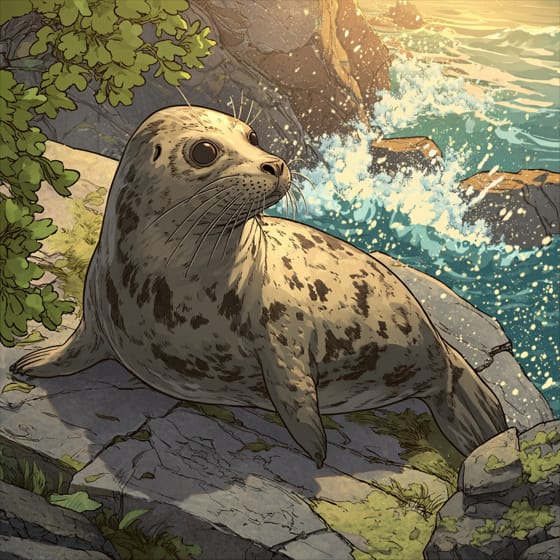
The Woods Hole Science Aquarium is America's oldest public marine aquarium, offering an intimate glimpse into local underwater worlds.
The Woods Hole Science Aquarium is America's oldest public marine aquarium, offering an intimate glimpse into local underwater worlds. Operated by NOAA Fisheries, this charming and free attraction invites visitors to explore the diverse marine life found in the Northeastern and Mid-Atlantic waters of the United States. Delve into engaging exhibits showcasing approximately 140 species of fish and invertebrates, providing both educational insights and captivating close-up views.The aquarium provides a hands-on experience that appeals to all ages, particularly through its popular touch tanks. Here, you can gently interact with creatures like lobsters, horseshoe crabs, sea stars, spider crabs, and hermit crabs, fostering a direct connection with the ocean's inhabitants. Beyond the indoor tanks, an outdoor habitat is home to non-releasable harbor seals, offering a chance to observe these playful mammals up close, especially during their public feeding times. The facility also often provides a unique "behind-the-scenes" perspective, where visitors can watch staff care for the animals and maintain the life support systems, highlighting the aquarium's commitment to research and conservation.A visit to the Woods Hole Science Aquarium is more than just an exhibition; it's an educational journey into marine science and local ecology. Dry exhibits feature intriguing collections of marine animal bones, skulls, and teeth, alongside displays explaining marine environments, endangered species, and critical conservation efforts, including the aquarium's sea turtle rehabilitation program. Its focus on regional species and a dedication to education make it a rewarding destination for anyone curious about the ocean and its inhabitants. Wondering what that bird or insect is? Find out on your visit using the Snappit nature app.
The Woods Hole Science Aquarium holds the distinction of being the oldest public aquarium in the United States, with its origins tracing back to 1875. It was established by Spencer Fullerton Baird, the U.S. Commissioner of Fish and Fisheries, who initially invited the public to his laboratory in Woods Hole to observe marine animals and learn about marine science. In 1885, the U.S. government constructed the first marine research building in Woods Hole, dedicating the first floor to a public aquarium that showcased local fish, invertebrates, and birds.The original facility was severely damaged by Hurricane Carol in 1954 and subsequently torn down in 1958. The aquarium proudly reopened in its current location in 1961, continuing its legacy of public outreach, education, and marine research. Today, the Woods Hole Science Aquarium is owned by the U.S. government and operated by the National Marine Fisheries Service (NOAA Fisheries) in partnership with the Marine Biological Laboratory, maintaining its mission of supporting fisheries research, educating the public, and engaging in vital conservation efforts, such as rehabilitating cold-stunned sea turtles and providing permanent homes for non-releasable seals.
Observe the harbor seals, interact with sea creatures in the touch tanks, see staff care for animals through behind-the-scenes views, and learn about marine ecosystems and research through informative displays.
The aquarium is open year-round, Tuesday through Saturday, from 11:00 AM to 4:00 PM, though it is closed on Sundays, Mondays, and all federal holidays. Hours may be more limited during quieter winter months, so it's always advisable to check the official website. Coastal breezes can make it cool even in summer, so a light jacket is recommended.
The first floor and the outdoor seal enclosure are wheelchair accessible. While some upper exhibits require stairs, assistance to the second floor is available via a rear ramp. Strollers are not permitted inside due to narrow spaces.
Outdoor Harbor Seal enclosure, where you can watch the resident seals.
Touch Tanks on the upper level for interactive engagement with local invertebrates.
Special residents like the rare Bilateral Split-Colored Lobster and Stumpy the Diamondback Terrapin.
Various indoor aquariums showcasing local fish and invertebrate species.
Each card links to a full Explore page with photos, traits, and fun facts.
Start with the big picture, then zoom in to explore individual wildlife observations around this place.
Arrive early for a quieter experience
Plan to visit right at 11:00 AM, especially on weekdays, to enjoy the exhibits with fewer crowds and more opportunities for interaction.
Catch the seal feedings
Schedule your visit to align with the daily harbor seal feeding and Q&A sessions at 11:00 AM and 3:30 PM for a dynamic and engaging experience.
Consider public transport or alternative parking: Parking in Woods Hole can be limited, especially during peak seasons. Consider taking the WHOOSH trolley from Falmouth Mall to ease parking concerns.
Dress comfortably and bring layers
Wear comfortable walking shoes. Even in warmer months, coastal breezes can be cool, so a light jacket is advisable.
Prepare for kids with activity sheets
Print out activity sheets from the aquarium's website beforehand to keep younger visitors engaged throughout their visit.
Leave strollers, food, and drink at home: For the comfort and safety of all visitors and the animals, strollers, outside food, and drinks are not permitted inside the aquarium.
Recent snaps will appear here as new observations are added.

Michigan, US
You might spot African Lion, Komodo Dragon, and Brown Bear.
View guide →
.jpg)
Municipal District of Cobh, IE
You might spot Ring-Tailed Lemur, Giraffes, and Cheetahs.
View guide →

Nouvelle-Aquitaine, FR
You might spot Greater Flamingo, Giraffes, and Red Panda.
View guide →

Texas, US
You might spot Giraffes, African Lion, and Eastern Black Rhinoceros.
View guide →











