Humpback Whale

Point Retreat Light stands as a historic sentinel in the rugged Alaskan wilderness.
Point Retreat Light stands as a historic sentinel in the rugged Alaskan wilderness. This iconic lighthouse, perched on the northern tip of Admiralty Island, offers a captivating glimpse into maritime history and the raw beauty of Southeast Alaska. Recognized on the National Register of Historic Places, it's a testament to the vital role lighthouses played in navigating the treacherous waters of the Lynn Canal and Stephens Passage.
The site features the distinctive octagonal concrete lighthouse, built in 1924 with its classic white and red scheme, which replaced an earlier wooden structure. Visitors can also appreciate the historical ancillary buildings, such as the keeper's dwelling and fog signal building, imagining the solitary lives of those who maintained this crucial aid to navigation. The surrounding 1,505-acre reserve immerses guests in a pristine coastal environment, where dense forests meet the icy waters of the Inside Passage.
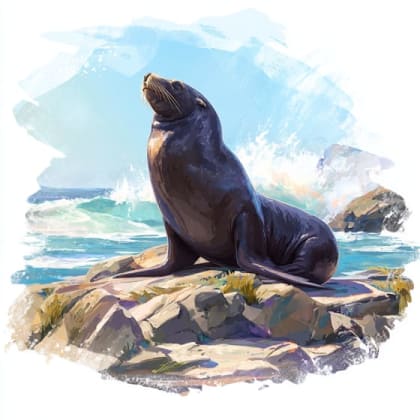
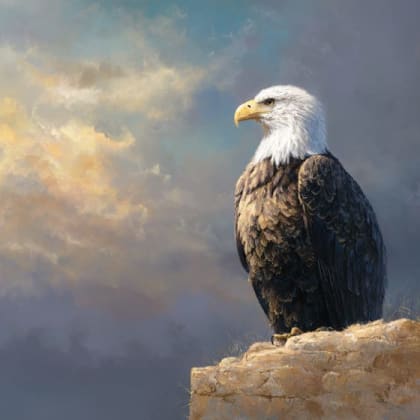
A journey to Point Retreat Light is an unforgettable adventure, combining historical intrigue with unparalleled wildlife viewing opportunities. From the chance to spot majestic humpback whales and playful orcas in the surrounding waters to observing bald eagles soaring above, the natural spectacle here is as compelling as the lighthouse's enduring legacy. It’s a destination that promises stunning photographic moments and a deep connection to Alaska’s maritime past and present wild beauty. Enhance your adventure: download the Snappit app to identify the local species you encounter.
Point Retreat was named in 1794 by Captain George Vancouver after his lieutenant, Joseph Whidbey, had to make a hasty retreat from local Tlingit people. Over a century later, in 1901, President William McKinley designated the area as a 1,505-acre lighthouse reserve. The first Point Retreat Lighthouse was lit on September 15, 1904, marking it as the tenth light station constructed in the Alaskan Territory. Initially a six-foot-tall hexagonal wooden tower, the station underwent significant changes. It was automated and unmanned in 1911 but re-established and upgraded in 1924 with the construction of the current octagonal concrete lighthouse and an integrated fog signal building. Further automation occurred in 1973 when the lighthouse became entirely unmanned. In 1998, the lighthouse was transferred to the Alaska Lighthouse Association, a non-profit dedicated to its preservation, which undertook a major restoration including the installation of a replica lantern room in 2004 for its centennial.
The primary experience is viewing the lighthouse and its pristine natural surroundings, often from a boat. Wildlife viewing is a major attraction, with opportunities to spot marine life and coastal birds. Landing access to the grounds and, by special arrangement, the dwelling/tower, allows for a closer exploration of the historical site and the ability to photograph the structures and surrounding wilderness.
Summer (June-September): Best for weather and wildlife viewing (whales, seals, eagles). Longer daylight hours.
Winter (October-May): Access is extremely limited due to harsh weather and sea conditions.
Access to Point Retreat Light is primarily by boat or seaplane due to its remote location on Admiralty Island, approximately 20 miles northwest of Juneau. While cruise ships and ferries pass by, visitors wishing to set foot on the island usually require private boat charters. The grounds are generally open to the public, with potential access to the dwelling and tower by prior arrangement through the Alaska Lighthouse Association. However, the remote, undeveloped nature of the site means there are no paved trails or specific wheelchair accessibility features on site.
The historic Point Retreat Lighthouse structure, with its iconic white and red tower.
The keeper's dwelling and other historical support buildings.
Panoramic views of Lynn Canal and Stephens Passage.
Each card links to a full Explore page with photos, traits, and fun facts.
Start with the big picture, then zoom in to explore individual wildlife observations around this place.
Plan your transport carefully
Access is challenging. Research private boat charters or specific tours from Juneau that offer landing opportunities.
Pack for all weather
Alaskan weather is unpredictable; bring layers, rain gear, and waterproof footwear, even in summer.
Bring binoculars and a telephoto lens
Essential for spotting distant wildlife and appreciating details of the lighthouse from afar.
Be bear aware
If you do gain landing access to Admiralty Island, remember it's brown bear country. Carry bear spray and know how to use it.
Respect the environment and historical structures: Leave no trace and admire historical buildings without disturbing them.
Check with the Alaska Lighthouse Association: If you hope for interior access to the dwelling or tower, try to contact the Alaska Lighthouse Association in advance for potential arrangements, understanding that their operational status regarding public access can vary.
Apr 19, 2026
Apr 19, 2026
Apr 19, 2026
Apr 19, 2026
Apr 19, 2026

Maryland, US
You might spot White-Tailed Deer and Eastern Gray Squirrel.
View guide →
.jpg)
District of Columbia, US
You might spot Eastern Gray Squirrel, Duck, and House Sparrow.
View guide →

Illinois, US
You might spot American Robin, Canada Goose, and House Sparrow.
View guide →

Virginia, US
You might spot Spotted Lanternfly and Northern Cardinal.
View guide →
Take the discovery with you
Identify the wildlife you spot, learn as you go, and keep a collection of the adventure.