Snappit logo
Snappit
Get App
Generic illustration, not a photograph of this venueIllustration
ParkChugoku, Japan

Tokiwa Park

Tokiwa Park is an easy place to make a family outing your own.

About

Tokiwa Park is an easy place to make a family outing your own. There is a large lake to pause beside, planting that changes with the seasons and an unusually engaging botanical collection. Start with one main interest, then leave room for a slow wander. Trying to include the whole lake, the zoo, every flower garden and the rides can turn a relaxed morning into a long march.

For a first visit, make Tokiwa Museum's World Botanical Garden your anchor. Its eight geographic zones bring together plants associated with different parts of the world. The display moves from leafy tropical planting to striking trunks and cacti, with an olive tree in the Europe zone. These are cultivated collections: a chance to compare plant forms, rather than a sample of the vegetation growing wild around Ube.

Give children a small question to carry through the visit. Which tree has the widest-looking trunk? Which leaves are narrow, and which spread out like a hand? Look for the baobab in the Africa zone, then compare its outline with the olive. You can enjoy the contrasts without learning every name, and a quick sketch often makes a better souvenir than a hurried photograph of every label.

Outside, Sculpture Hill and the nearby lake views give everyone a change of pace. Watch the surface of the water, follow a reflection or sit down before choosing another path. The park's flower gardens provide a different focus in different months; the iris garden is especially worth considering around late May and June. A short out-and-back walk is perfectly worthwhile here.

Tokiwa Zoo is an optional, separately ticketed visit within the same park. Its habitat-style exhibits house animals in human care, including ring-tailed lemurs. Plan it as a separate part of your day, with time for breaks. For the gentlest introduction, choose the botanical collection and a little lakeside time, and save the zoo for another visit if energy runs low. Eager to name that creature? Identify any animal you find during your visit using the Snappit app.

Lake Tokiwa began as an irrigation reservoir. Work on its embankment started in 1695 and finished in 1698; associated water-supply works followed. The park opened in 1925 after local businesspeople acquired lakeside land and donated it to the city. Later additions made it a place for both learning and leisure. A botanical garden and cactus center opened in 1960, and the first large outdoor sculpture exhibition followed in 1961. The museum was renewed in 2017. The mixture of water, planted landscapes, art and collections is the result of those successive layers.


What to do here

Explore the botanical collection, take a short lake-view walk beside Sculpture Hill, and pick one seasonal flower area if the group still feels fresh. For a longer visit, add the zoo. Keep the pleasure in stopping and looking rather than completing a checklist.

Seasonal info

Flowering dates shift with the weather. Check the latest bloom report before making a special trip, and treat evening openings as dated events. The botanical collection provides a useful focus outside the main flower seasons.

Accessibility

The official park map marks accessible toilets at several main facilities, including Tokiwa Museum. Free loan wheelchairs and strollers are available at specified locations, subject to availability. Ask staff which paths suit your group; the full lake circuit is a different undertaking from a short museum visit.

Don't miss

1

Eight botanical zones

compare bold trunks, tropical foliage and dry-region plants.

2

Lake Tokiwa

broad water views without committing to a full circuit.

3

Seasonal flower gardens

a reason to return at a different time of year.

4

Sculpture Hill

open-air art beside the botanical museum and the lake.

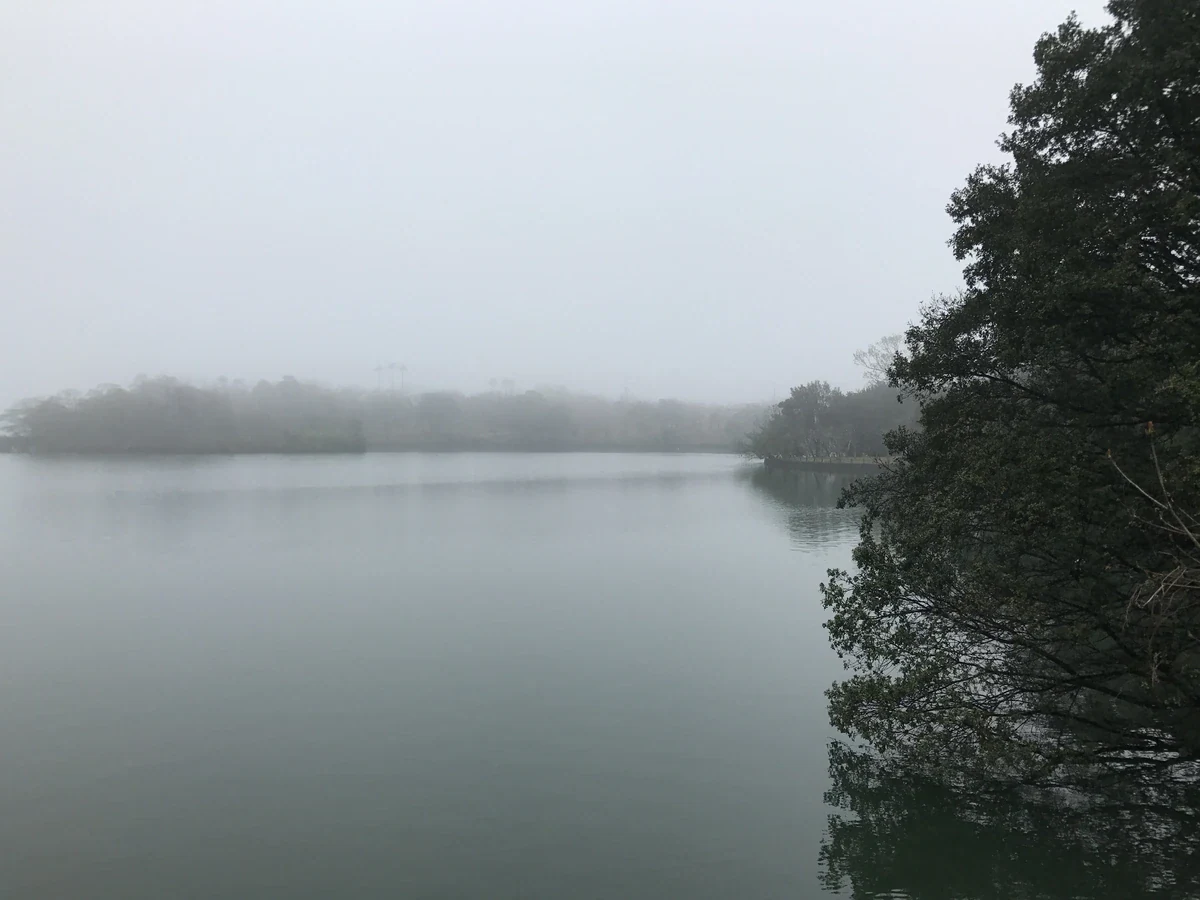
Still grey-green lake water beneath a misty sky, with dark leafy branches on the right and a faint wooded shore beyond.

Mist softens the far shore of Lake Tokiwa in Ube’s Tokiwa Park, photographed on 7 April 2017.

© そらみみ / Wikimedia Commons / CC BY-SA 4.0. Lake_Tokiwako_20170407-1.jpg. Source: https://commons.wikimedia.org/wiki/File:Lake_Tokiwako_20170407-1.jpg. License: https://creativecommons.org/licenses/by-sa/4.0/. Proportional downsampling to fit 1200 × 1200 pixels without enlargement; WebP quality 92, method 6. No crop, retouch, recoloring or added text. EXIF omitted. EXIF lists iPhoto 9.6.1 and file modification on 2017-04-07. Source processing retained; no specific retouch declared. · Creative Commons

Walks and routes

Plants, Sculpture Hill and a little lake time

Allow about two hours. Begin at Tokiwa Museum, using the west parking area or the Tokiwa Museum bus stop if convenient. Spend 45–60 minutes with the botanical collection, then come outside to Sculpture Hill. Choose a nearby lakeside path from the park map, pause for the view and return before the group gets tired. Leave a little time for toilets and a snack outside the museum. There is no need to cross the lake or complete a circuit.

A short waterside wander

Give yourselves 30–45 minutes. From the central park area, use the park map to choose a public path toward the lake and choose an out-and-back stretch that feels comfortable. Watch ripples, reflections and passing birds, then retrace your steps. Pick the turn-around point early if you have young children or limited energy; the full 5.7 km circuit can wait for a day devoted to walking.

A flower-focused alternative

In iris season, start from the west entrance and use the map to reach the iris garden near Hakuchō Bridge. Allow 45–60 minutes for the garden, the water-lily pond and a slow return. Keep this as an alternative to a longer lake walk, especially on a warm or wet day. Ask staff about the best approach if you use a wheelchair or stroller.

If you have half a day

Begin with the botanical collection and the short outdoor route. After a proper break, decide together whether to add the zoo or visit one flower garden. If the children are happily drawing a tree or watching the lake, it is fine to stay with that. The rides can be a separate choice with separate costs.

Things to try

A three-shape plant hunt

Choose three plants with very different outlines. Sketch each using only a few lines, then look at its label. For younger children, finding something tall, something rounded and something spiky is plenty. Keep hands away from spines and leave the plants untouched.

Two minutes beside the water

Stop somewhere comfortably back from the edge and stay still for two minutes. Notice what moves first: a reflection, a leaf, an insect or a bird. You do not need to identify everything for this to be a good nature stop.

One sculpture, two viewpoints

Choose an outdoor sculpture near the museum and look at it against the sky, then from a different public path. Ask which angle changes it most. Follow the work’s signs about touching or climbing rather than treating every sculpture as play equipment.

Make the plants the main event

Focus on the glasshouse displays and ask staff which parts can be visited under cover. Some planting is outdoors in the courtyard. Keep a raincoat handy, and leave the lake circuit or iris-garden detour for better weather if the paths are slippery.

Wildlife and habitats

What you are looking at

The botanical specimens below are cultivated, and the lemurs live in the zoo. Around the lake, watch visiting wild birds from the path; the park also cares for a swan on the water. Displays and wildlife activity can vary, so let what is visible set the pace.

Baobab · cultivated collection

Look for the Africa zone’s broad-trunked symbol tree. Compare the width of its trunk with its branching crown, then read the label about where it comes from. Baobabs store water in their trunks and can lose their leaves during dry periods; a leafy crown is only one part of their story.

Olive · cultivated collection

In the Europe zone, take a close look at the narrow leaves and the shape of the trunk. The museum describes its olive as roughly 1,000 years old, an estimate rather than an exact birthday. Compare it with the baobab before deciding which tree you would most like to draw.

Ring-tailed lemur · optional zoo visit

If you add the zoo, look for the ring-tailed lemurs in the Africa hills and Madagascar zone. Their long, black-and-white banded tails are a useful starting feature. Watch from the visitor area and see how an animal uses its surroundings without calling to it or trying to attract its attention.

Stories and discoveries

A lake made for farming

The lake’s broad views began with a practical purpose: storing irrigation water. Thinking of it as a working reservoir adds another layer to a leisurely walk.

When to visit

Spring

The official flower chart places many cherry blossoms in March and April. Start with a short blossom walk and add the botanical museum if you want a second focus. Peak timing varies, and late-flowering trees can extend the season.

Late spring and early summer

The iris garden usually flowers from late May to late June, with water lilies potentially flowering from mid-May into early October. Choose the flowers that are actually at their best that week rather than expecting every bed to peak together.

Hot-weather visits

Make the outdoor walk a short morning outing, carry water and rest before anyone becomes uncomfortable. The glasshouses can also feel warm, so use them for plant interest rather than assuming they are a cool refuge.

Autumn and winter

Mild autumn days suit the museum-and-lake combination. In winter, shorten the exposed waterside section and allow time for the botanical collection during opening hours. Check holiday closures before travelling.

Dated update: autumn roses in 2026

The botanical museum has announced its autumn rose exhibition for 17 October–8 November 2026. It lists closures on 20 and 27 October and 4 November. Rose Night is scheduled for 24–25 October, 18:00–21:00, with last entry at 20:30 and a closure between 16:30 and 18:00. Check the event notice before planning an evening visit.

Getting there and practical advice

Admission and opening times

Checked on 16 October 2026. The outdoor park is free and open year-round. The World Botanical Garden costs ¥300 for ages 18–69 and ¥200 for ages 70 and over; under-18s enter free. Tokiwa Zoo costs ¥500 for general admission, ¥200 for ages 3 through junior high school and ¥250 for ages 70 and over; accompanied children under 3 enter free. Both ticketed facilities normally open 09:30–16:30, with last admission at 16:00.

Choose a day when your main stop is open

The zoo and botanical museum normally close on Tuesdays, or the following day when Tuesday is a public holiday. Year-end closures normally include 29 December–1 January, and events can change the pattern. Check the facility calendar and current notices before setting out. The outdoor park has a separate, year-round opening policy.

Toilets, feeding and changing

Tokiwa Museum has toilets, a nursing room and baby-changing facilities. The main entrance and other major facilities offer additional toilets and changing points. Use the official map to plan a stop before moving on to a longer walk.

Food breaks

Bring a picnic or check which food outlets are open on your visit day. The museum is a place to look at plants, so save food and drinks for outside. For a wet-weather meal break, the park lists a free shared rest space on the second floor of Tokiwa Rest House; it cannot be reserved.

Arriving without a car

The park operator allows about 20 minutes on foot from JR Tokiwa Station to the park. Buses serve several different stops: Tokiwa Kōen, Tokiwa Kōen Iriguchi and Tokiwa Museum. They are not interchangeable. Choose your destination first, then check the current Ube City bus timetable and return service.

Parking near your first stop

Use the west car park for the museum, or the central/front areas for the zoo and main park facilities. Standard-car parking is free for up to 15 minutes, then ¥200 for up to two hours, ¥300 up to three, ¥400 up to four and ¥500 up to 24 hours. Longer stays start another charging period; spaces cannot be reserved.

Plan a shorter route that suits you

Ask staff about the easiest entrance, slopes and current path conditions for your wheelchair or stroller. Accessible toilets are marked at the museum and other main facilities. Free loans are first-come, first-served, and museum wheelchairs and strollers are for use inside the building. Availability is a reason to check ahead if your visit depends on borrowing one.

Sources and useful links

Wildlife you might spot

3

Each card links to a full Explore page with photos, traits, and fun facts.

Snap map for this place

Start with the big picture, then zoom in to explore individual wildlife observations around this place.

Loading map…

Good to know before you go

Choose your arrival point around your first activity; the west parking area is convenient for the botanical museum.

Check the facility calendar before travelling, especially on Tuesdays and around public holidays.

Bring sun protection and water, and make the outdoor part shorter in heat, heavy rain or strong wind.

Keep children close beside the lake and ponds. Leave plants in place and watch animals quietly.

Save snacks for a suitable outdoor break or rest area; eating and drinking are not permitted inside Tokiwa Museum.

Leave bicycles, tricycles and kick scooters at the designated parking areas rather than riding through the park.

If using a loan wheelchair or stroller, return it where you borrowed it; museum loans are for indoor use.

For professional photography or filming, check the park-use application requirements in advance.

Frequently asked questions

Yes. The outdoor park is free to enter, while the World Botanical Garden and Tokiwa Zoo charge separately. Parking and amusement rides also have their own charges.
No. The official lakeside circuit is 5.7 km. For a first family visit, choose a short stretch and turn back while everyone is still comfortable.
The geographic zones are cultivated displays with plants brought together for visitors to compare. The zoo animals are also in human care. Wild birds around the lake are a separate part of the park experience.
A shorter visit centered on the botanical glasshouses can work well. The collection also includes courtyard planting, so bring rain protection and ask about a mostly sheltered route. Skip the long lake walk in bad weather.
Packed lunches are allowed in the park. Choose a suitable outdoor spot, keep clear of paths and take your litter home. Keep food out of the botanical museum.

Recent snaps at this place

Recent snaps will appear here as new observations are added.

View all ›

Take the discovery with you

Exploring Tokiwa Park?

Identify the wildlife you spot, learn as you go, and keep a collection of the adventure.

  1. 1Spot it
  2. 2Snap it
  3. 3Keep the discovery