




Red Squirrel
Sciurus vulgaris
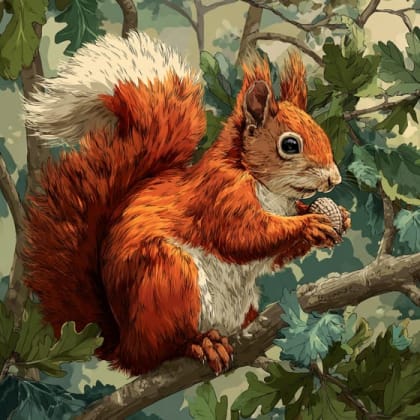
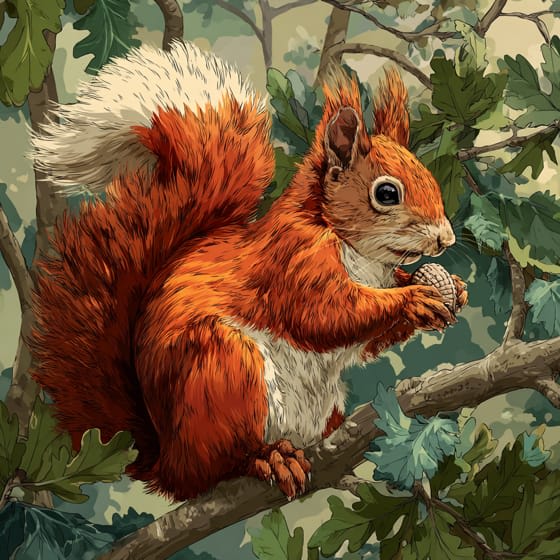
Red squirrels are small, lively rodents with reddish fur. They are quick climbers and love eating seeds.
Habitat: Conifer forests and woodlands.
The Red Squirrel has a vibrant reddish-brown coat that can vary from bright ginger to dark chestnut, with a creamy-white belly. Unlike the larger Grey Squirrel, it lacks white fur on its tail and often grows distinctive ear tufts, especially in winter. Its bright, bushy tail is nearly as long as its body.
Category
MammalsRarity
Common
Danger
2/5 · Low
Snaps
17
A Red Squirrel can leap over 2 meters between branches, showing off its incredible agility!
Red Squirrels don't hibernate; they just take long naps and rely on their buried food stashes.
Their ear tufts can grow several centimeters long, making them look extra fancy in winter!
These squirrels can recognize their own buried food by smell, even if other squirrels have touched it.
Red Squirrels can smell buried nuts and seeds even under snow, helping them find hidden winter food stashes.
Red Squirrels have sharp claws and flexible ankles that let them quickly climb up and down trees, even headfirst!
Red Squirrels bury seeds and nuts, helping new trees grow in their forests by forgetting some of their hidden treasures.
Red Squirrels mostly munch on seeds, nuts, and fungi, but sometimes enjoy a tasty insect.
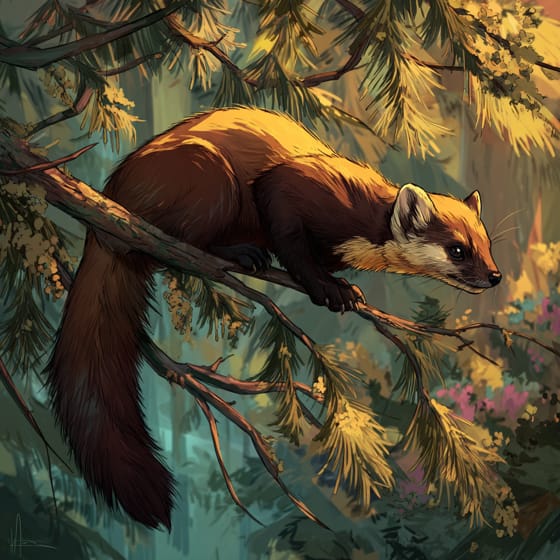
Martes martes
A natural predator, hunting squirrels in the forest canopy.
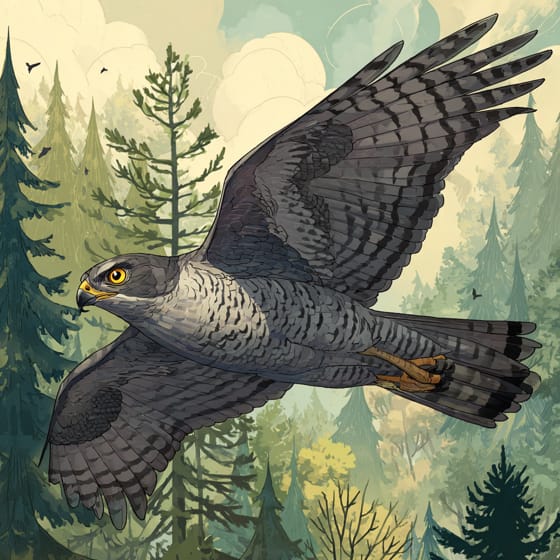
Accipiter gentilis
A powerful bird of prey that can snatch squirrels from trees.
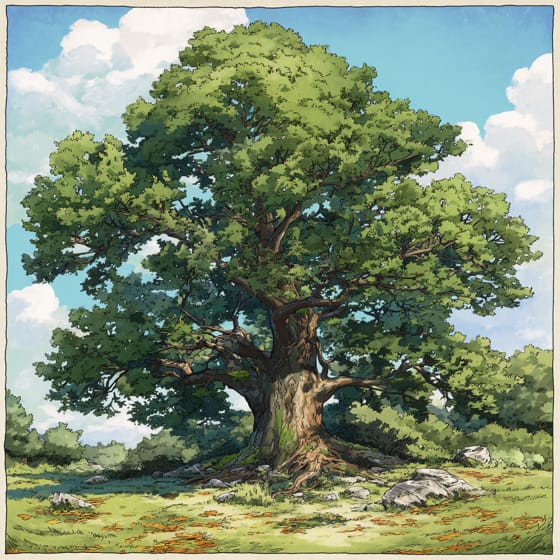
Quercus robur
Squirrels rely on acorns from oak trees as a vital food source.
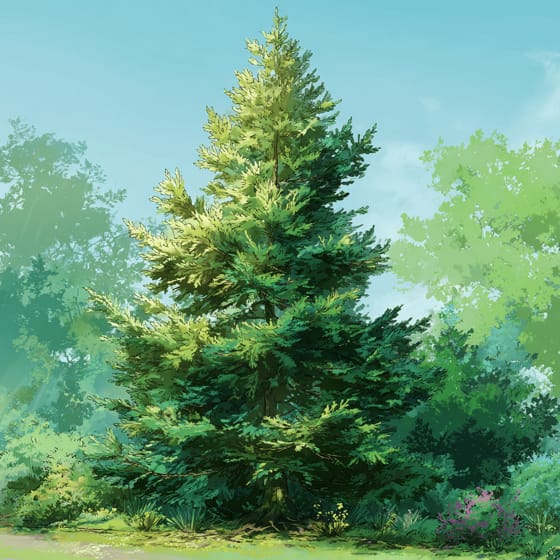
Picea abies
They extract seeds from cones of spruce trees, especially in coniferous habitats.
Wildlife encompasses all undomesticated animal and plant life existing in their natural habitats.
Furry describes animals possessing a dense covering of soft hair or fur.
Solitary animals live alone for most of their lives, only interacting with others for mating or parental care.
Arboreal animals live primarily in trees, utilizing them for shelter, food, and protection from predators.

This trait characterizes organisms whose diet consists entirely or primarily of plant material.

Forest habitats are terrestrial environments dominated by dense tree cover, supporting a high diversity of plant and animal life.

Nocturnal animals are primarily active during the nighttime hours, typically resting or sleeping during the day.
Danger
2/5 · Low
Do not feed squirrels — they can bite.
19-28 cm
0.25-0.35 kg
3-7 years
25 km/h
Red Squirrels mostly munch on seeds, nuts, and fungi, but sometimes enjoy a tasty insect.
Conifer forests and woodlands.
Foraging
3-5
Zoom in to split clusters and explore where this object has been snapped.

Berlin, DE
You might spot Polar Bear, Ursus Thibetanus, and Sloth Bear.
View guide →

South Moravian Region, CZ
You might spot Common Chaffinch and Nine-Spotted Moth.
View guide →

Spain, ES
You might spot European Bison, Asian Elephant, and Tiger.
View guide →

North Rhine-Westphalia, DE
You might spot Giant Otter, Giant Anteater, and Tamanduas.
View guide →

Vienna, AT
You might spot Red Squirrel, Hooded Crow, and Grey Heron.
View guide →

Bern, CH
You might spot House Sparrow, Wall-Rue, and Duck.
View guide →