





Northern Goshawk
Accipiter gentilis
The Northern Goshawk is a fast and agile bird of prey! It has sharp talons and is known for its ability to fly quickly through trees.
Habitat: Forests and woodlands
The Northern Goshawk has a slate-grey back and striking white barring across its chest, often appearing fierce with intense red-orange eyes. Its dark cap contrasts with a pale eyebrow stripe. Its short, broad wings and long tail enable agile navigation through dense forests.
Category
BirdsRarity
Rare
Danger
2/5 · Low
Snaps
Be the first to snap!
Goshawks build huge nests, sometimes using the same one for many years, adding to it each time!
In some cultures, goshawks were used in falconry, prized for their skill and courage.
Their fierce red eyes make them look very serious, a perfect look for a top forest hunter.
Young goshawks have bright yellow eyes that slowly change to fiery red as they grow older!
Northern Goshawk has short, broad wings and a long tail that helps them maneuver at high speed through dense forest branches.
Northern Goshawk can ambush prey with incredible speed and surprise, using its cryptic grey plumage to blend into tree shadows.
Northern Goshawk has incredibly powerful talons that help them capture and hold onto fast-moving prey, even larger animals.
A fierce forest hunter, Northern Goshawks eat a variety of birds and small to medium-sized mammals.
Sciurus carolinensis
Main prey, caught with agile forest flight.

Bonasa umbellus
A common bird prey, hunted stealthily.
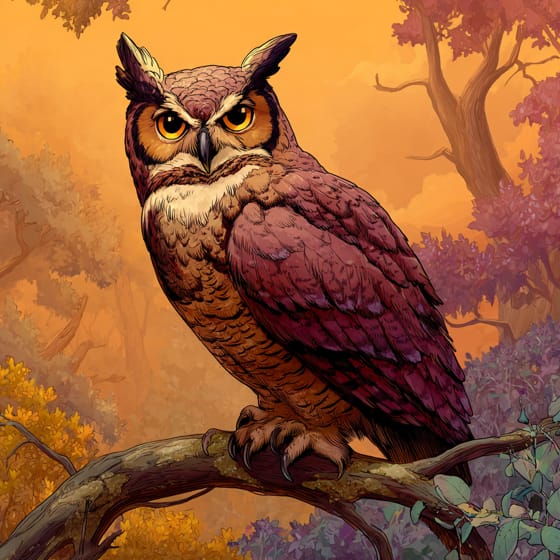
Bubo virginianus
May prey on eggs, nestlings, or even adults.
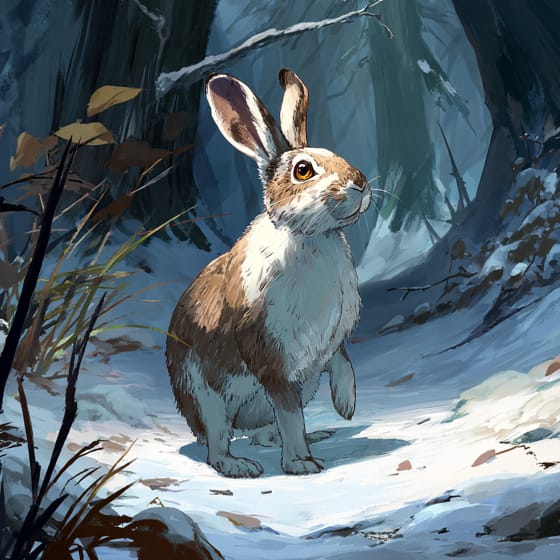
Lepus americanus
Important food source in snowy, northern habitats.
Wildlife encompasses all undomesticated animal and plant life existing in their natural habitats.
Feathered describes animals, primarily birds, possessing a covering of feathers.
Aerial creatures spend a significant portion of their lives airborne, utilizing flight for various activities such as hunting, migration, or nesting.
An ambush predator hunts by patiently waiting and concealing itself, then launching a sudden attack when unsuspecting prey comes within range.

Forest habitats are terrestrial environments dominated by dense tree cover, supporting a high diversity of plant and animal life.

This trait identifies organisms whose diet consists entirely or primarily of animal tissue.

Diurnal animals are primarily active during daylight hours, typically resting or sleeping at night.

This trait identifies organisms that exhibit exceptional swiftness in movement for hunting, escape, or travel.
Danger
2/5 · Low
Watch quietly from a distance and never try to feed or chase wild animals.
The easiest way to identify Northern Goshawk is to use the Snappit nature identifier app.
49-67 cm
93-127 cm
0.5-1.5 kg
11-15 years
65 km/h
A fierce forest hunter, Northern Goshawks eat a variety of birds and small to medium-sized mammals.
Forests and woodlands
Zoom in to split clusters and explore where this object has been snapped.
Recent snaps will appear here as new observations are added.
Take the discovery with you
Snap it with Snappit to identify it, learn what makes it special, and add the discovery to your collection.




.jpg&width=800)







