






American Elm
Ulmus americana
The American Elm tree has a tall trunk and a wide canopy of leaves. It’s a favorite spot for birds to make nests!
Habitat: Forests and urban areas
The American Elm has a majestic, distinctive vase-like shape with arching branches that often form a cathedral-like canopy. Its rough, grey-brown bark develops deep ridges, and its dark green leaves are notably asymmetrical at the base, turning bright yellow in autumn.
Category
TreesRarity
Common
Danger
1/5 · Very low
Snaps
Be the first to snap!
Before disease, elm-lined streets formed magnificent 'cathedral arches' when canopies touched!
Each tiny elm seed has a papery 'wing,' helping it float far from the tree!
Its strong wood was prized for wagon wheels, resisting splitting under heavy loads!
Native Americans used the inner bark to make strong rope and even canoes!
American Elm can tolerate wet, poorly drained soils, allowing it to thrive in floodplains where other trees struggle.
American Elm can grow quickly, helping it reach sunlight and establish itself faster than many competing trees.
Xanthogaleruca luteola
Larvae and adults feed on leaves.
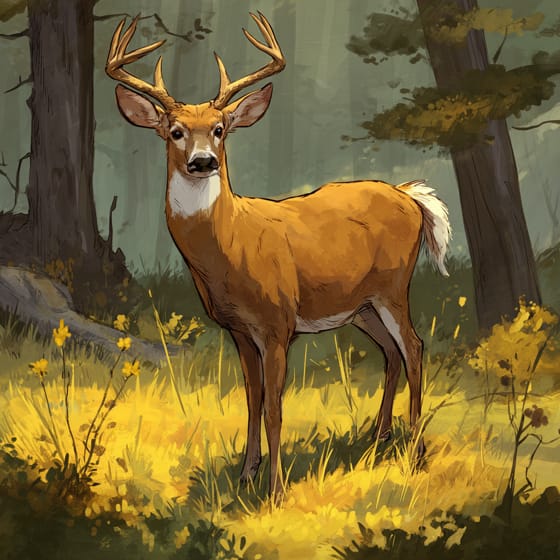
Odocoileus virginianus
Browses on young twigs and leaves.
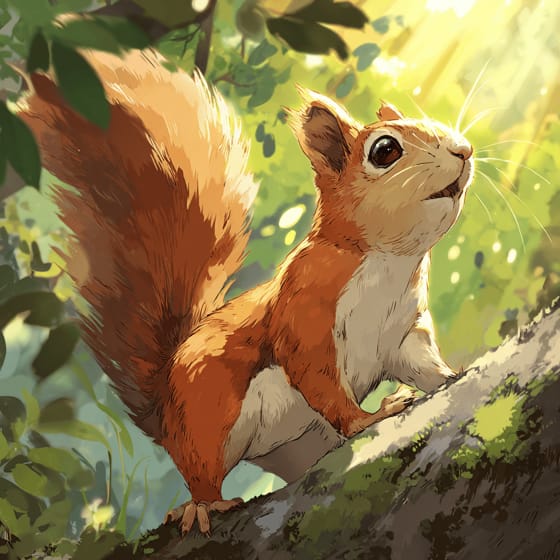
Sciurus carolinensis
Builds nests and finds shelter in branches.
Ophiostoma novo-ulmi
A fungus that causes deadly Dutch Elm Disease.
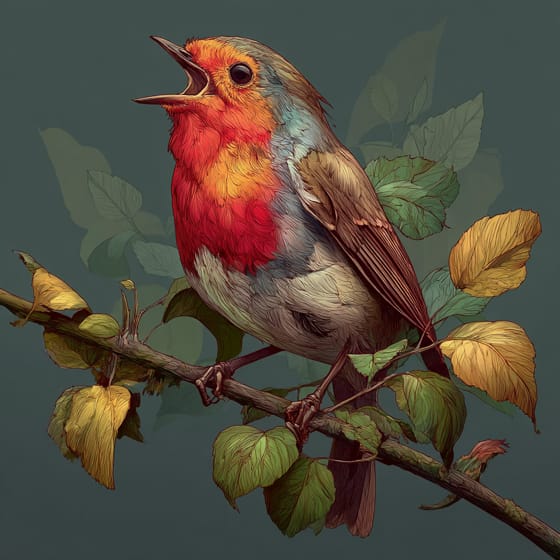
Turdus migratorius
Often nests in its branches, seeking shelter.
Deciduous plants periodically shed all their leaves, typically during autumn or dry seasons.
Broadleaf trees are angiosperms characterized by flat, wide leaves that are typically shed annually in temperate climates.
Fall color refers to the seasonal change in foliage pigmentation, primarily in deciduous plants, displaying vibrant hues.
Rapid growing plants exhibit accelerated growth rates, quickly increasing in size and biomass within a short period.

Forest habitats are terrestrial environments dominated by dense tree cover, supporting a high diversity of plant and animal life.
Danger
1/5 · Very low
Do not pick or eat anything you find. Some plants and mushrooms can be harmful.
20-35 m
15-25 m
No
60-180 cm
50-175 years
Forests and urban areas
Samara
Medium
Zoom in to split clusters and explore where this object has been snapped.
Recent snaps will appear here as new observations are added.
.jpg)
District of Columbia, US
You might spot Duck, Eastern Gray Squirrel, and European Starling.
View guide →
Massachusetts, US
You might spot Duck, Ring-Necked Duck, and American Pokeweed.
View guide →

Illinois, US
You might spot Canada Goose, Ring-Billed Gull, and Red-Winged Blackbird.
View guide →
Colorado, US
You might spot Common Dandelion, Apple Tree, and Dwarf Mallow.
View guide →

South Dakota, US
You might spot Brittle Pricklypear and Eastern Redcedar.
View guide →











