Canada Goose

Northerly Island, a magnificent 119-acre human-made peninsula on Chicago's Lake Michigan shoreline, offers a truly unique escape where urban grandeur meets untamed natural beauty.
Northerly Island, a magnificent 119-acre human-made peninsula on Chicago's Lake Michigan shoreline, offers a truly unique escape where urban grandeur meets untamed natural beauty. Conceived as part of Daniel Burnham's visionary 1909 Plan of Chicago, this verdant oasis seamlessly blends native prairie, savanna, and wetland habitats with unparalleled views of the iconic city skyline. It stands as a testament to successful ecological restoration, transforming from historical fairgrounds and an airport into a vibrant nature sanctuary that invites visitors to reconnect with the natural world just steps from the bustling metropolis.
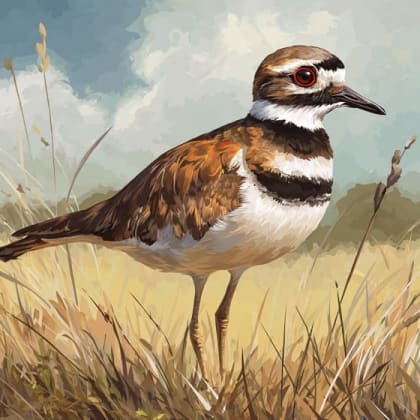
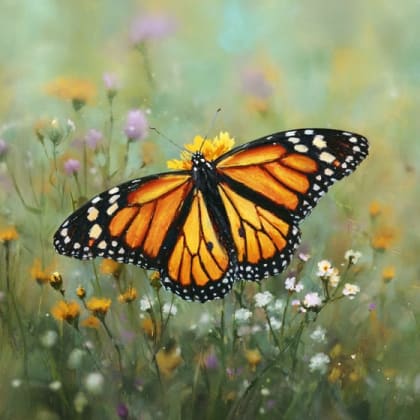
The park boasts diverse ecosystems, including a tranquil 5-acre pond and extensive strolling paths that wind through over 150 varieties of native plants and 20,000 newly planted trees and shrubs, creating a vital corridor for wildlife. Birdwatchers can delight in spotting a rich array of avian life, such as the ubiquitous Canada Goose, Ring-billed Gull, Red-winged Blackbird, Mallard, Savannah Sparrow, and the distinctive Red-breasted Merganser. Beyond birds, visitors might encounter Eastern Cottontail, Eastern Gray Squirrel, and Muskrat, while observant eyes may catch a glimpse of a Coyote or a Pond Slider. The island's flowering plants, including common milkweed, wild bergamot, and butterfly milkweed, attract fascinating insects like the Western Honey Bee, Large Milkweed Bug, and the iconic Monarch butterfly.
Northerly Island is an unforgettable destination for anyone seeking a peaceful respite, breathtaking photographic opportunities, or an immersive natural experience within an urban setting. Its carefully restored habitats provide a crucial haven for a wide array of species, making every visit a chance to witness nature's resilience. Whether you're leisurely strolling along the lakefront, observing diverse wildlife, or simply soaking in the dramatic panorama of Chicago's skyline against the backdrop of Lake Michigan, Northerly Island offers a memorable and inspiring encounter with the wild heart of the city. Wondering what that bird or insect is? Find out on your visit using the Snappit nature app.
Northerly Island's origins trace back to Daniel Burnham's ambitious 1909 Plan of Chicago, which envisioned a chain of park islands stretching along the lakefront; Northerly Island is the only one of these to have been completed. Dredging and construction for the site began in 1920, and the island was completed by 1925. It gained significant prominence in 1933 and 1934 when it hosted part of the "Century of Progress" World's Fair. Later, from 1947 through the end of the 20th century, the island served as the Merrill C. Meigs Field airport. After the airport's lease expired and it was officially closed in 2003, Northerly Island began its transformation into the natural parkland we see today. The Chicago Park District unveiled a framework plan in 2010 to redevelop the island with an environmental focus, and a significant 40-acre natural area opened on the southern part of the island in 2015. This restoration project, supported by funding like the Great Lakes Restoration Initiative, has focused on creating native prairie, savanna, and marsh ecosystems to benefit both wildlife and city residents.
Walk, jog, or bike the paved and unpaved trails, birdwatch, fish, photograph the landscape and city skyline, picnic, or relax by the lake. Families can enjoy the nature play space.
Spring/Summer: Peak season for wildflowers (e.g., common milkweed, wild bergamot), active insects (Monarch, Western Honey Bee), migratory birds, and outdoor concerts at Huntington Bank Pavilion. Fishing for various species is also popular.
Fall: Excellent for observing southbound migratory birds and enjoying the changing colors of native plants.
Winter: Though colder, winter can be rewarding for spotting unique bird species such as snowy owls, short-eared owls, horned larks, and snow buntings.
Northerly Island features paved trails that are suitable for walking and bicycle riding. The Huntington Bank Pavilion at Northerly Island provides wheelchair accessible entrances, pathways, and seating for concerts. Accessible parking is also available.
Explore diverse habitats like prairie, savanna, and wetlands, including a 5-acre pond.
Enjoy miles of paths offering panoramic views of the Chicago skyline and Lake Michigan.
Opportunities for birdwatching, observing insects like Monarch butterflies, and small mammals.
Popular areas like Burnham Harbor offer chances to catch Salmon, Trout, Perch, and Bass.
Each card links to a full Explore page with photos, traits, and fun facts.
Start with the big picture, then zoom in to explore individual wildlife observations around this place.
Bring binoculars
Essential for birdwatching and getting a closer look at distant wildlife.
Wear comfortable shoes
The park has extensive paved and unpaved trails perfect for walking or jogging.
Pack a camera
The park offers incredible opportunities for landscape photography, wildlife shots, and stunning city skyline views.
Flashlight for evening visits
Pathways are unlit to maintain a natural environment, so if you plan to stay past dusk, bring a flashlight.
Consider public transport/rideshare
Especially during concert nights or busy weekends, these options can help avoid parking difficulties around the Museum Campus.
Check event schedules
The Chicago Park District website often lists guided nature tours, family programs, and other seasonal events at Northerly Island.
Jan 16, 2026
Jan 9, 2026
Jan 9, 2026
Jan 7, 2026
Jan 6, 2026

Maryland, US
You might spot White-Tailed Deer and Eastern Gray Squirrel.
View guide →
.jpg)
District of Columbia, US
You might spot Eastern Gray Squirrel, Duck, and House Sparrow.
View guide →

Illinois, US
You might spot American Robin, Canada Goose, and House Sparrow.
View guide →

Virginia, US
You might spot Spotted Lanternfly and Northern Cardinal.
View guide →
Take the discovery with you
Identify the wildlife you spot, learn as you go, and keep a collection of the adventure.