Io Moth
Automeris io
The Io Moth is a big, fluffy moth with beautiful eyespots on its wings. It looks like a butterfly but is actually a moth!
Habitat: Forests and gardens
The Io Moth is known for its striking appearance. Males typically have bright yellow forewings, while females are more reddish-brown, both with small dark spots. Its most distinct feature is the pair of large, vivid blue-and-black eyespots on its hindwings, which resemble owl eyes when revealed.
Category
InsectsRarity
Common
Danger
2/5 · Low
Snaps
4
Adult Io Moths don't eat anything! They live only a few days using energy from when they were caterpillars.
Io Moth caterpillars are "social" and live in groups when they are young, marching together on plants.
Some people call them "Peacock Moths" because their stunning eyespots resemble a peacock's feathers.
The male Io Moth is bright yellow, but the female is usually a reddish-brown color, they look very different!
Io Moths can instantly flash their large, blue-centered eyespots on their hindwings to startle predators, making itself look like a much bigger animal.
Io Moth caterpillars have venomous, barbed spines that deliver a painful sting to deter predators from eating them.
Female Io Moths release invisible scent signals (pheromones) to attract males from miles away, ensuring they can find a mate.
Caterpillars munch on many plant leaves; adult moths do not eat!
Age differences: Only the caterpillar stage eats, munching on leaves; adult moths do not feed.
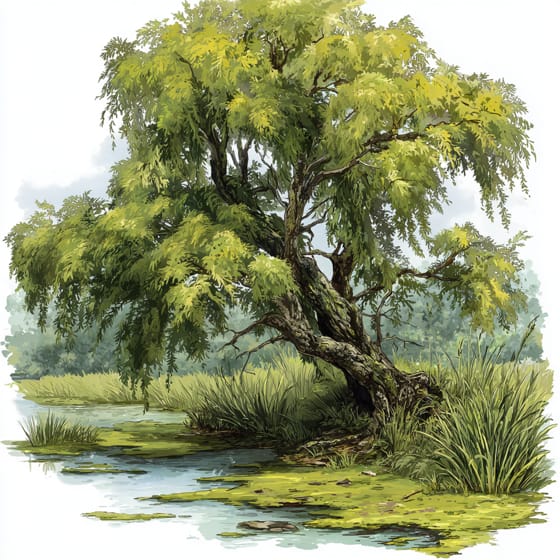
Salix nigra
Caterpillars munch on its leaves.
Sassafras albidum
A favorite host plant for caterpillars.
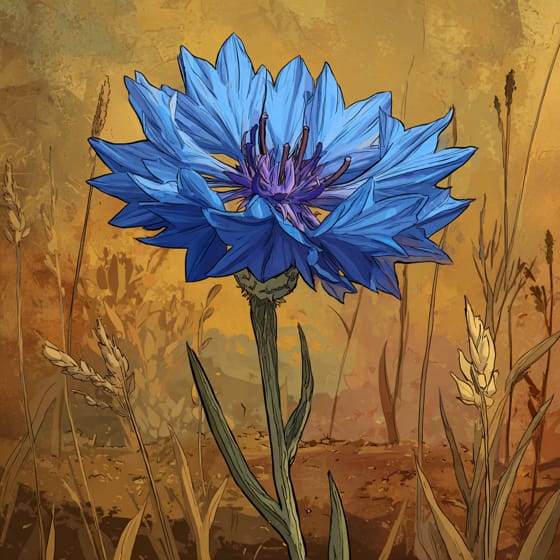
Zea mays
Caterpillars are sometimes found on corn plants.
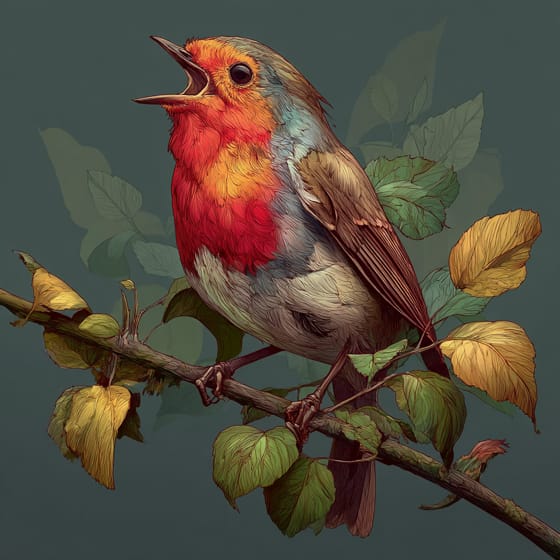
Turdus migratorius
Birds sometimes eat its caterpillars.
Wildlife encompasses all undomesticated animal and plant life existing in their natural habitats.
This trait characterizes organisms whose diet consists entirely or primarily of plant material.
Forest habitats are terrestrial environments dominated by dense tree cover, supporting a high diversity of plant and animal life.
Nocturnal animals are primarily active during the nighttime hours, typically resting or sleeping during the day.

Describes organisms that transfer pollen, enabling the fertilization and reproduction of plants.
Danger
2/5 · Low
Do not touch or pick up. Some insects sting or bite. Ask an adult for help.
50-80 mm
25-35 mm
5-10 days
Caterpillars munch on many plant leaves; adult moths do not eat!
Forests and gardens
Foraging
6
Zoom in to split clusters and explore where this object has been snapped.

Louisiana, US
You might spot Linnaeus's Two-Toed Sloth and Corn Snake.
View guide →

Virginia, US
You might spot African Lion, Common Ostrich, and Equus Africanus Asinus.
View guide →

Pennsylvania, US
You might spot White-Tailed Deer and Mile-A-Minute Weed.
View guide →
Florida, US
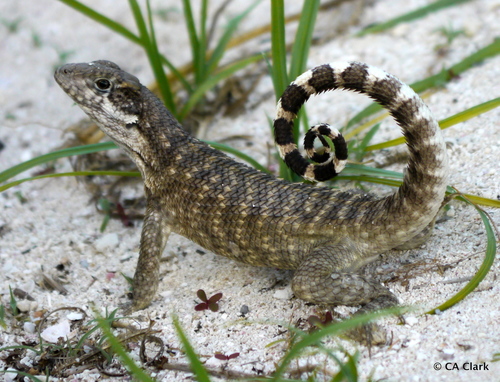
You might spot Northern Curly-Tailed Lizard and Green Iguana.
View guide →