Atlantic Salmon
Salmo salar
The Atlantic Salmon is a famous fish that travels from the ocean to freshwater rivers to spawn! They are known for their delicious flavor.
Habitat: Ocean and freshwater rivers
The Atlantic Salmon is a streamlined fish with a silvery body that often darkens to bronze or green when in freshwater for spawning. It has small dark spots, mainly above its lateral line, and a slightly forked tail. This fish has a sleek, torpedo-like shape.
Category
FishRarity
Common
Danger
2/5 · Low
Snaps
Be the first to snap!
Atlantic Salmon are born with stripey "parr" markings, like camouflage in riverbeds!
Some salmon are "skip-spawners" and return to the ocean for another year before breeding.
Their incredible migration journeys can cover thousands of miles across the open ocean!
Wild Atlantic Salmon populations are now much rarer than farmed salmon you find in stores.
Atlantic Salmon can leap high waterfalls because of their powerful tail muscles that help them overcome river obstacles.
Atlantic Salmon has an incredible sense of smell that helps them find their exact birth river from thousands of ocean miles away.
Atlantic Salmon can change their body to live in both fresh and saltwater because of a special adaptation called smoltification.
Young salmon eat tiny bugs, while adults feast on smaller fish in the ocean.
Age differences: Juveniles in rivers eat insect larvae and small invertebrates. Adults in the ocean primarily eat smaller fish.
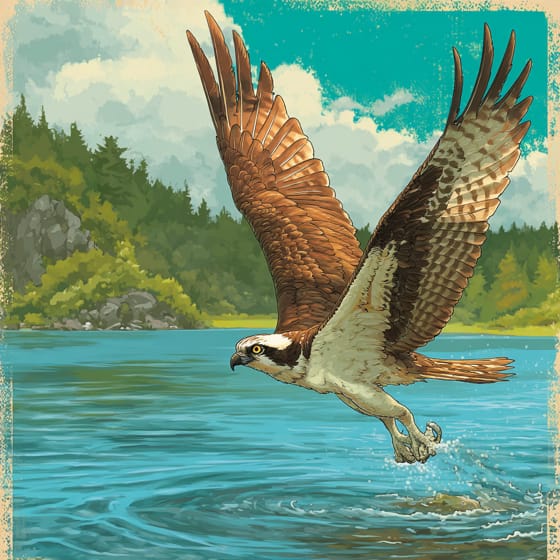
Pandion haliaetus
Ospreys catch salmon from rivers and coastal waters.
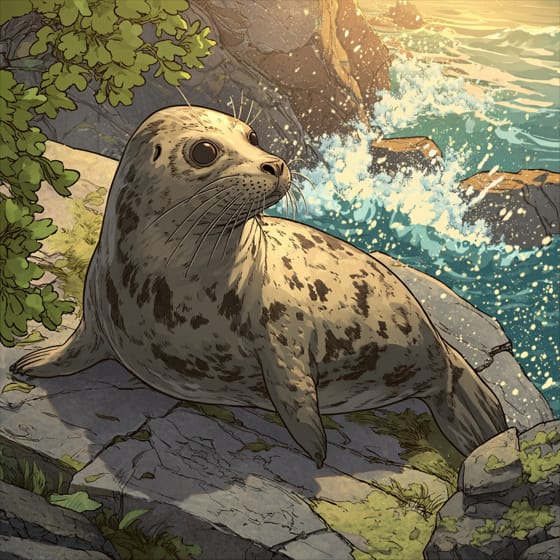
Phoca vitulina
Harbor Seals hunt adult salmon in estuaries and coastal waters.
Homo sapiens
Humans have historically fished Atlantic Salmon for food.
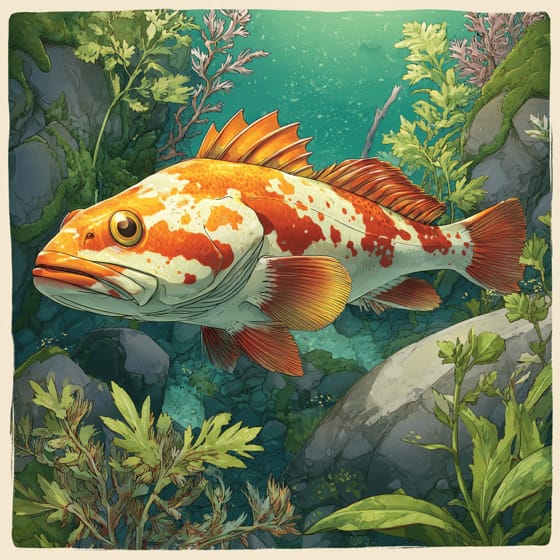
Gadus morhua
Young salmon may be hunted by larger fish like Atlantic Cod.
Piscivorous organisms are animals that primarily subsist on a diet of fish.
This trait signifies organisms belonging to a very old evolutionary group with ancestors dating back millions of years.
This trait characterizes organisms with an exceptionally long lifespan compared to others of their kind.
Freshwater habitats include non-saline aquatic environments such as rivers, lakes, ponds, and wetlands, vital for numerous species.
Regenerative organisms possess the ability to regrow lost or damaged body parts, tissues, or organs.

Aquatic habitats encompass environments where organisms live predominantly in water, including oceans, rivers, lakes, and wetlands.

Marine habitats encompass all saltwater environments of the Earth's oceans, supporting an immense diversity of aquatic life.

Migratory animals undertake seasonal movements from one region to another, typically in response to changes in climate or food availability.
Danger
2/5 · Low
Watch quietly from a distance and never try to feed or chase wild animals.
50-100 cm
2-15 kg
4-13 years
Young salmon eat tiny bugs, while adults feast on smaller fish in the ocean.
15 km/h
Ocean and freshwater rivers
Pursuit
200 m
Zoom in to split clusters and explore where this object has been snapped.
Recent snaps will appear here as new observations are added.