Ring-necked Pheasant
Phasianus colchicus
The Ring-necked Pheasant is a colorful bird with a bright neck and long tail. They love to roam around fields and gardens looking for seeds and insects to eat.
Habitat: Fields and gardens
The Ring-necked Pheasant is famous for its vibrant male, featuring an iridescent green head, bright red wattles, and a distinct white neck ring. Its body is a mix of coppery-bronze and dark patterns, complemented by a very long, pointed tail. Females are much plainer, mottled brown for camouflage.
Category
BirdsRarity
Common
Danger
1/5 · Very low
Snaps
10
A group of pheasants is called a 'bevy' or a 'covey'!
Males have sharp spurs on their legs for fighting rivals!
They were introduced to North America from Asia in the 1800s!
This bird is the state bird of South Dakota!
Female Ring-necked Pheasants have mottled brown feathers that help them blend perfectly into their surroundings to hide their nests.
Ring-necked Pheasants can use their strong legs and sharp eyesight to find hidden seeds and insects on the forest floor.
Male Ring-necked Pheasants have a loud, crowing call that helps them warn other males to stay away from their territory.
These birds eat seeds, grains, berries, and insects they find on the ground.
Age differences: Chicks eat more protein-rich insects for growth.
Wildlife encompasses all undomesticated animal and plant life existing in their natural habitats.
Feathered describes animals, primarily birds, possessing a covering of feathers.
This trait identifies organisms whose diet includes both plant and animal matter.
Singing animals produce complex vocalizations, often for purposes of attracting mates, defending territory, or communicating within their species.

Colorful describes organisms or objects displaying a wide range of bright and distinct colors.

Grassland habitats are terrestrial biomes dominated by grasses and herbaceous plants, supporting a variety of grazing animals.

Diurnal animals are primarily active during daylight hours, typically resting or sleeping at night.

This trait identifies organisms that exhibit exceptional swiftness in movement for hunting, escape, or travel.
Danger
1/5 · Very low
Ring-necked Pheasants are friendly birds, but it's best to watch them from a distance so they feel safe.
50-89 cm
70-90 cm
0.7-1.4 kg
1-3 years
80 km/h
These birds eat seeds, grains, berries, and insects they find on the ground.
Fields and gardens
Foraging
Zoom in to split clusters and explore where this object has been snapped.

North Dakota, US
You might spot Red Fox, Gray Wolf, and Equus Africanus Asinus.
View guide →

South Holland, NL
You might spot Grey Heron, Eurasian Jackdaw, and Common Moorhen.
View guide →
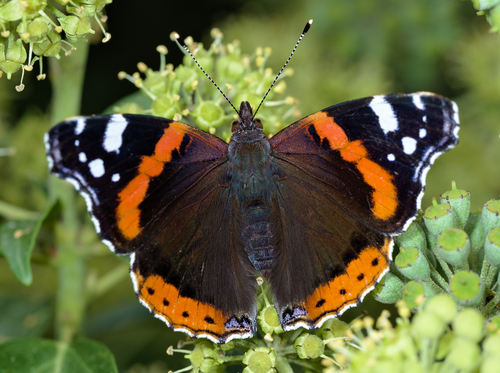
England, UK
You might spot Red Admiral, Large Red Damselfly, and Blue Emperor.
View guide →
South Dakota, US
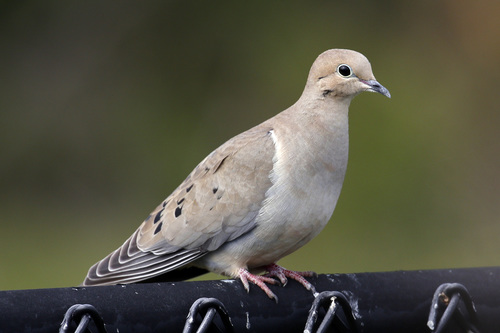
You might spot Mourning Dove, Vulture, and Woodhouse's Toad.
View guide →

England, UK
You might spot Leopard, Capybara, and White Rhinoceros.
View guide →

England, UK
You might spot African Lion, Horse, and Giraffes.
View guide →