
African Lion

Woburn Safari Park offers an exhilarating day out, inviting visitors to journey through sprawling reserves and encounter incredible wildlife up close.
Woburn Safari Park offers an exhilarating day out, inviting visitors to journey through sprawling reserves and encounter incredible wildlife up close. As one of the UK's leading conservation parks, it provides a unique drive-through experience where majestic animals like lions, tigers, and rhinos roam freely, offering unforgettable photographic opportunities and a sense of adventure often found only in the wild. Beyond the thrilling Road Safari, a vibrant Foot Safari awaits, featuring a diverse collection of smaller creatures, interactive exhibits, and daily keeper talks, making it a perfect destination for outdoor enthusiasts and families alike.
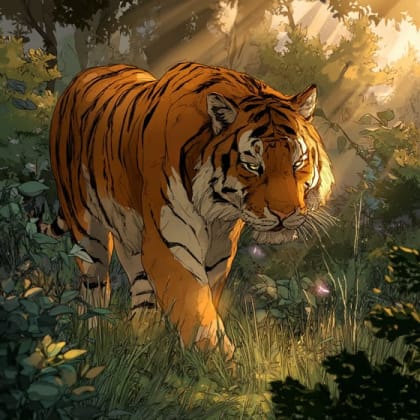
The park is home to a rich array of species, ensuring there's always something new to discover. On the Road Safari, you can witness Southern white rhinos grazing majestically, observe Amur tigers and African lions in expansive habitats, and even experience the playful antics of Barbary macaques as they interact with passing vehicles. The Foot Safari complements this with intimate walk-through enclosures where you can stroll among Ring-tailed lemurs, marvel at Humboldt penguins, and get to know mischievous meerkats, alongside Asian elephants and Rothschild's giraffes.
Woburn Safari Park stands out for its commitment to conservation and its engaging approach to wildlife education. It's not just a place to see animals; it's an opportunity to learn about their habitats, behaviors, and the crucial efforts being made to protect endangered species worldwide. With a blend of thrilling encounters, educational experiences, and family-friendly activities, Woburn Safari Park promises a memorable and inspiring day where connections with the natural world are forged and cherished. Unlock an interactive field guide for this spot: get the Snappit app to identify nature on the go.
Woburn Safari Park first opened to the public in 1970, established by the 13th Duke of Bedford and Jimmy Chipperfield on the historic grounds of the Woburn Abbey estate. The park was conceived as a means to help restore the Abbey and improve the estate's financial standing, which had been impacted by World War II and high post-war taxes. The estate's zoological legacy, however, dates back much further, to the 11th Duke of Bedford, who, as president of the Zoological Society of London, had already introduced various species including American bison, deer, antelope, lions, and tigers to the park in the late 19th and early 20th centuries. Notably, Woburn played a pivotal role in conservation history, becoming the first captive breeding facility to save a species from extinction in the wild with its success in breeding Père David's deer. The park was instrumental in gathering the last remaining individuals of this species, which became extinct in its native China, highlighting Woburn's long-standing dedication to wildlife preservation.
Drive through the various reserves multiple times to catch different animal activities. Take a walk through the Land of the Lemurs and Australian Walkabout. Attend scheduled animal talks, particularly for elephants, sea lions, and red pandas. Consider pedal boat rides on the lake.
Woburn Safari Park is open daily from February half-term until just after October half-term, then Thursday to Sunday only during the winter months. Animals are accustomed to British weather; some, like rhinos, may wallow in mud during rain, and monkeys might play. In colder months, giraffes might be viewed in their indoor house.
The Road Safari is an excellent option for visitors with physical disabilities or reduced mobility, as animals can be viewed from your own vehicle. The Foot Safari has some naturally steep paths and areas with gravel or grass, which may be challenging for wheelchairs, but an accessibility map highlights the best routes. Disabled parking, accessible toilets, and a Changing Places facility are available. The park also offers social scripts, communication boards, and British Sign Language (BSL) boards to enhance inclusivity.
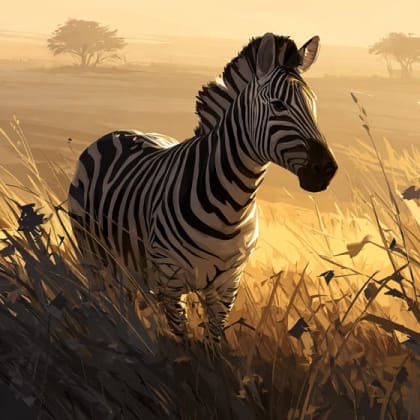
Encounter Southern white rhinos, African lions, Amur tigers, North American black bears, Canadian timber wolves, Asian elephants, Rothschild's giraffes, Grevy's zebras, and Barbary macaques.
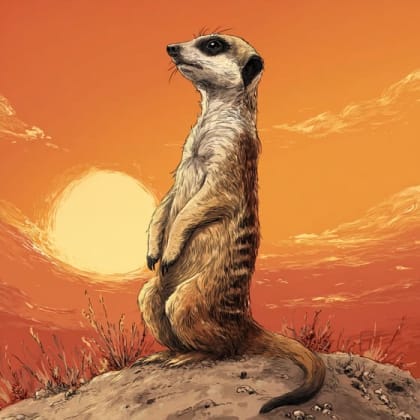
Explore areas like Land of the Lemurs (walk-through), Humboldt Harbour (Humboldt penguins, Californian sea lions), Australian Walkabout (wallabies), Desert Springs (meerkats, porcupines), and Farmyard Friends (goats, pigs).
Enjoy daily keeper talks and animal demonstrations, which offer insights into animal behaviours and conservation efforts.
Utilize the Mammoth Play Ark (indoor soft play) and other outdoor adventure play areas.
Each card links to a full Explore page with photos, traits, and fun facts.
Start with the big picture, then zoom in to explore individual wildlife observations around this place.
Arrive Early or Later
For a less crowded experience and potentially more active animals, aim to arrive right at opening time or visit the Road Safari later in the afternoon.
Repeat the Road Safari
Your admission allows for unlimited circuits of the Road Safari, offering new perspectives and chances to spot animals you might have missed.
Pack Snacks/Lunch
While cafes are available, bringing your own food can save time and ensure you have options, especially if visiting during busy periods.
Check the Timetable
Download the park map and keeper talk schedule in advance to plan your day around specific animal feeding sessions and demonstrations.
Prepare Your Vehicle
Ensure your car has enough fuel for the drive-through, as there are no refuelling stations on-site. Perform a quick vehicle safety check (tyres, oil, water) before your visit.
Dress for the Weather
British weather can be unpredictable. Dress in layers and bring waterproofs, as the park is open in all conditions and some activities are outdoors.
Mar 1, 2026
Feb 22, 2026
Feb 22, 2026
Feb 4, 2026
Jan 24, 2026

Michigan, US
You might spot African Lion, Komodo Dragon, and Brown Bear.
View guide →
.jpg)
Municipal District of Cobh, IE
You might spot Ring-Tailed Lemur, Giraffes, and Cheetahs.
View guide →

Nouvelle-Aquitaine, FR
You might spot Greater Flamingo, Giraffes, and Red Panda.
View guide →

Texas, US
You might spot Giraffes, African Lion, and Eastern Black Rhinoceros.
View guide →
Take the discovery with you
Identify the wildlife you spot, learn as you go, and keep a collection of the adventure.