





Wood Pigeon
Columba palumbus
The wood pigeon is a gentle bird with a soft cooing sound. It has beautiful gray feathers and can often be seen in parks and gardens.
The Wood Pigeon is a large, plump bird with a small head and a long tail. It has distinctive white patches on the sides of its neck and white bars on its wings, which are visible in flight, setting it apart from other pigeons.
Category
BirdsRarity
Common
Danger
1/5 · Very low
Snaps
Be the first to snap!
Nests are often so flimsy, you can see eggs right through!
Their wings make a loud 'clatter' sound when they suddenly take flight!
They are excellent at finding food, even from under snow!
Wood Pigeons sometimes gather in huge flocks of thousands during winter!
Wood Pigeons have a special 'crop milk' that helps them feed their babies with a nutritious, energy-rich liquid.
Wood Pigeons can make a deep, five-note cooing call that helps them communicate with other pigeons from a distance.
Wood Pigeons can drink water continuously without tilting their heads back, unlike most other birds.
These adaptable birds eat lots of seeds, leaves, and berries they find on the ground and in trees.
Age differences: Young pigeons are fed 'crop milk' by parents, then transition to adult diet.

Accipiter nisus
A common predator that ambushes adult pigeons.
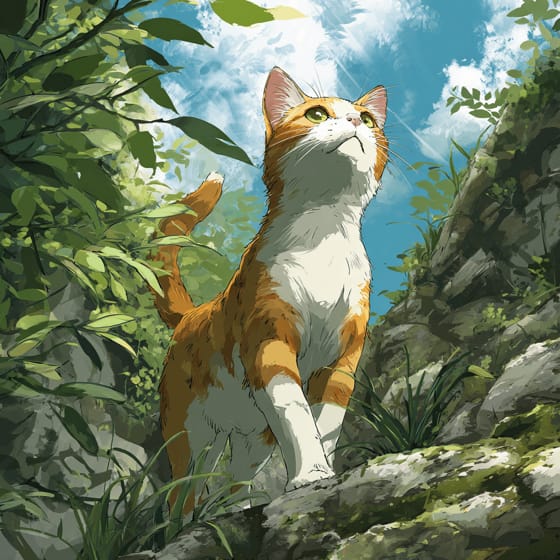
Felis catus
Preys on young pigeons and occasional adults.
Quercus robur
Eats acorns and uses branches for nesting.
Triticum aestivum
Feeds on fallen grains in agricultural fields.
Wildlife encompasses all undomesticated animal and plant life existing in their natural habitats.
Feathered describes animals, primarily birds, possessing a covering of feathers.
Social animals live in organized groups, cooperating for survival benefits such as foraging, defense, and raising offspring.
Singing animals produce complex vocalizations, often for purposes of attracting mates, defending territory, or communicating within their species.

This trait characterizes organisms whose diet consists entirely or primarily of plant material.

Forest habitats are terrestrial environments dominated by dense tree cover, supporting a high diversity of plant and animal life.

Diurnal animals are primarily active during daylight hours, typically resting or sleeping at night.
Danger
1/5 · Very low
Wood pigeons are friendly and harmless. Just watch them from a distance and enjoy their beauty.
The easiest way to identify Wood Pigeon is to use the Snappit nature identifier app.
38-43 cm
70-80 cm
0.3-0.6 kg
3-5 years
80 km/h
These adaptable birds eat lots of seeds, leaves, and berries they find on the ground and in trees.
Foraging
Zoom in to split clusters and explore where this object has been snapped.
Recent snaps will appear here as new observations are added.
Take the discovery with you
Snap it with Snappit to identify it, learn what makes it special, and add the discovery to your collection.




.jpg&width=800)







